Why Pantry Spending Is So Hard to Track
Grocery budgets tend to focus on proteins and produce — the items with obvious price tags and weekly variability. The pantry gets treated as a fixed background cost, restocked on autopilot. That invisibility is precisely what makes it expensive.
Pantry purchases are often low per-unit but high in frequency and waste. A $4 jar of something used once and forgotten, multiplied across dozens of similar items over a year, adds up to a meaningful budget drain. And because these purchases feel routine rather than discretionary, they rarely get scrutinized the way a restaurant bill or clothing purchase would.
Understanding the specific mistakes behind this pattern — not just the general idea of "buying too much" — is what makes the difference. See how similar drift happens across other spending categories in this piece on hidden spending patterns that derail budgets.
Buying pre-mixed spice blends and seasoning packets instead of individual spices.
Why it happens: Spice blends are heavily marketed as convenient and foolproof, and they're prominently positioned at eye level in most grocery stores.
Purchasing specialty ingredients for a single recipe and never using the remainder.
Why it happens: Recipes frequently call for uncommon items in small quantities — a tablespoon of fish sauce, a quarter-cup of a specialty flour — and shoppers buy the full-size version without a clear plan for the rest.
Paying brand-name prices on true commodity staples like salt, white vinegar, baking soda, and dried beans.
Why it happens: Brand familiarity creates a perception of quality difference even where none exists in practice. Shoppers often default to the name they recognize without comparing labels.
Restocking pantry items before running out, creating unnecessary duplicates and hidden expiration waste.
Why it happens: Seeing a sale or simply not being sure what's already at home prompts precautionary purchases that pile up in the back of shelves.
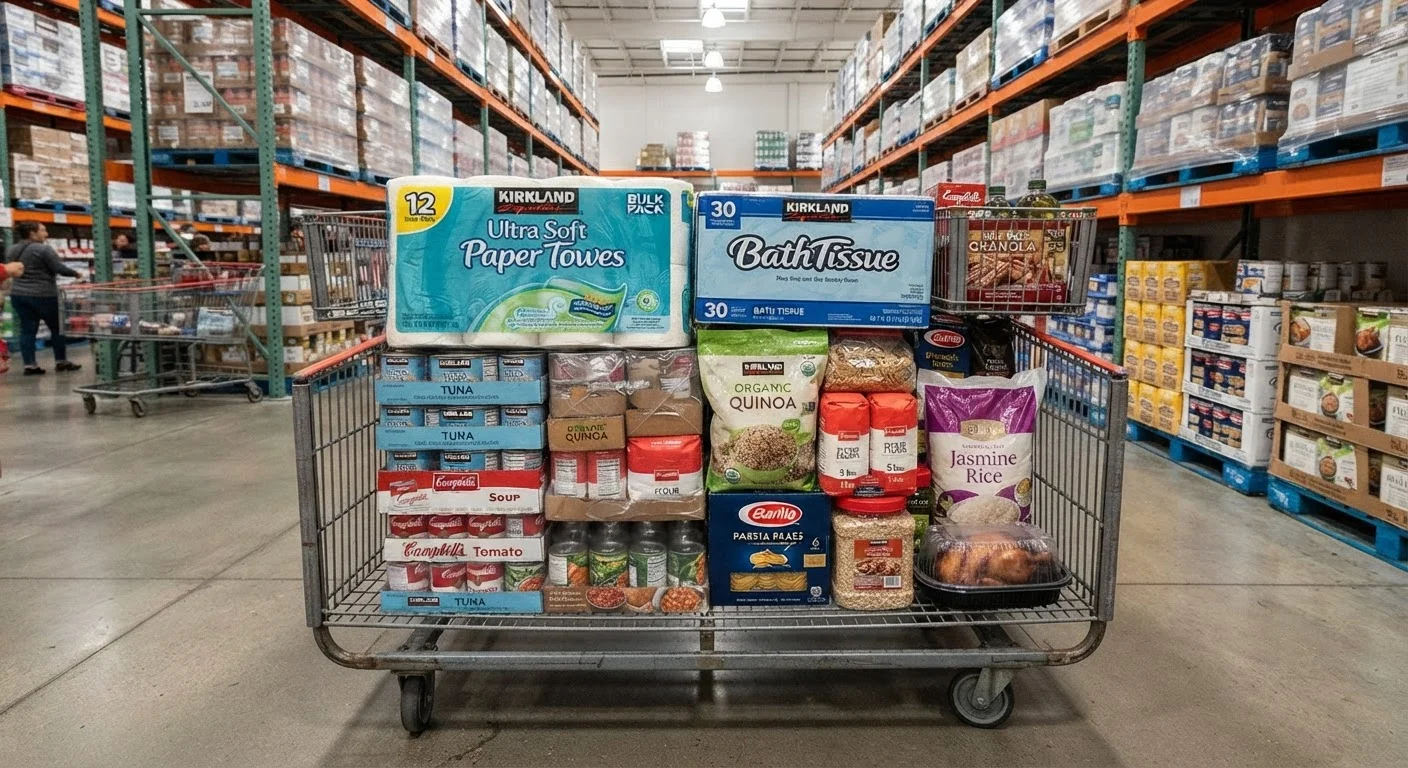
Buying large "value" sizes of items you don't use frequently enough to consume before expiration.
Why it happens: Per-unit cost comparisons make large sizes look like clear wins, and stores often frame them as the obvious smart choice. Expiration dates don't factor into that math at the shelf.
Defaulting to bottled or pre-made cooking sauces instead of pantry-based scratch equivalents.
Why it happens: Convenience sauces appear to save time, and their per-bottle price seems modest. But they're used in single servings and repurchased constantly, making their annualized cost surprisingly high.
Smarter Pantry Habits That Actually Stick
Correcting pantry overspending doesn't require a full overhaul. The most effective approach is narrowing what you stock to items you use reliably, in forms that give you flexibility.
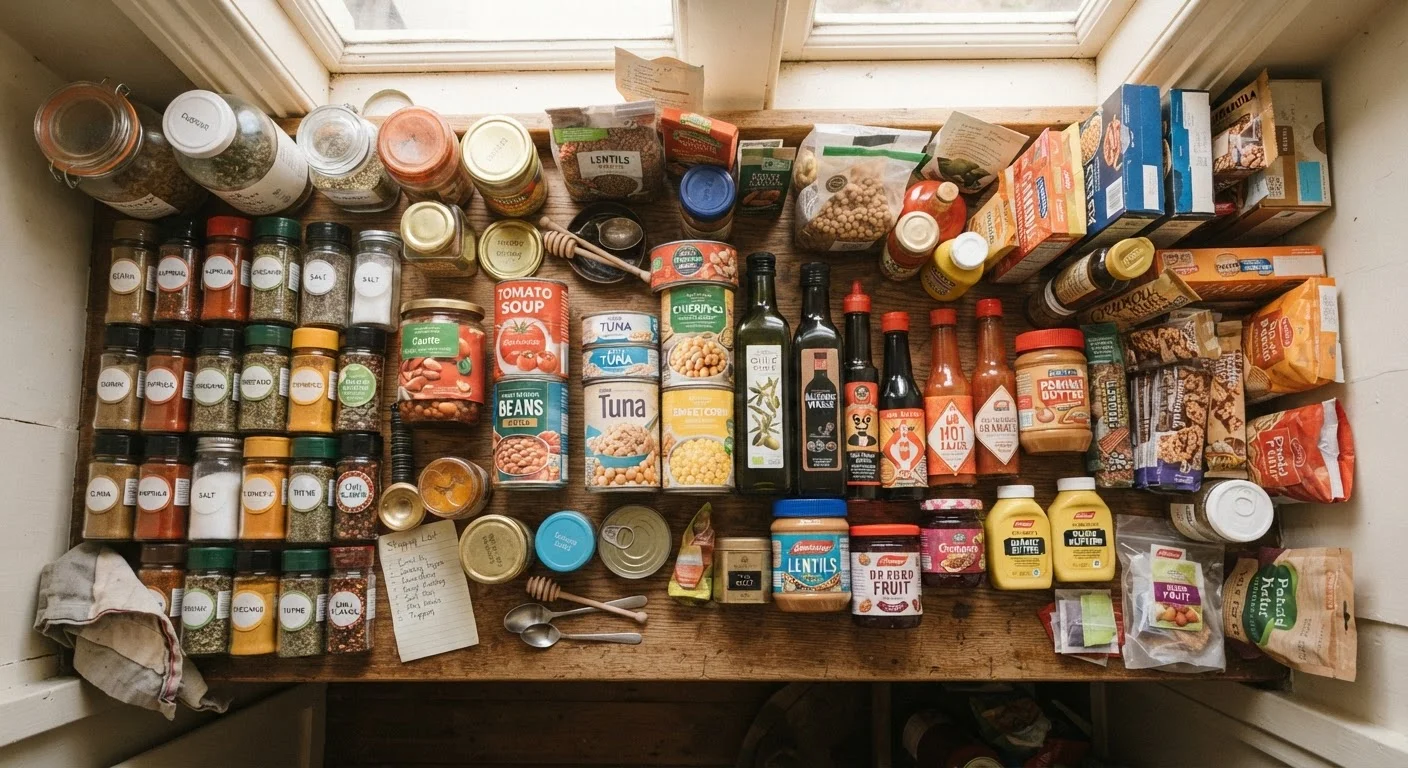
Whole or minimally processed staples — dry lentils, plain canned tomatoes, basic oils, loose spices — cost less per use and function across more recipes than their convenience-packaged counterparts. This is the practical foundation of stretching a grocery budget without eating less.
~30%
Food purchased but never consumed
The USDA has estimated that roughly 30–40% of the U.S. food supply goes to waste, much of it at the consumer household level — including pantry items that expire unused.
2–4x
Markup on pre-seasoned vs. plain equivalents
Consumer food pricing analyses consistently find that seasoned, sauced, or mixed versions of otherwise basic ingredients carry substantial per-unit markups over their plain counterparts.
It's also worth recognizing when bulk buying helps versus hurts. Some pantry staples genuinely benefit from volume purchasing; others create waste. The distinction is covered in detail in pantry staples that reliably cost less when bought in bulk.
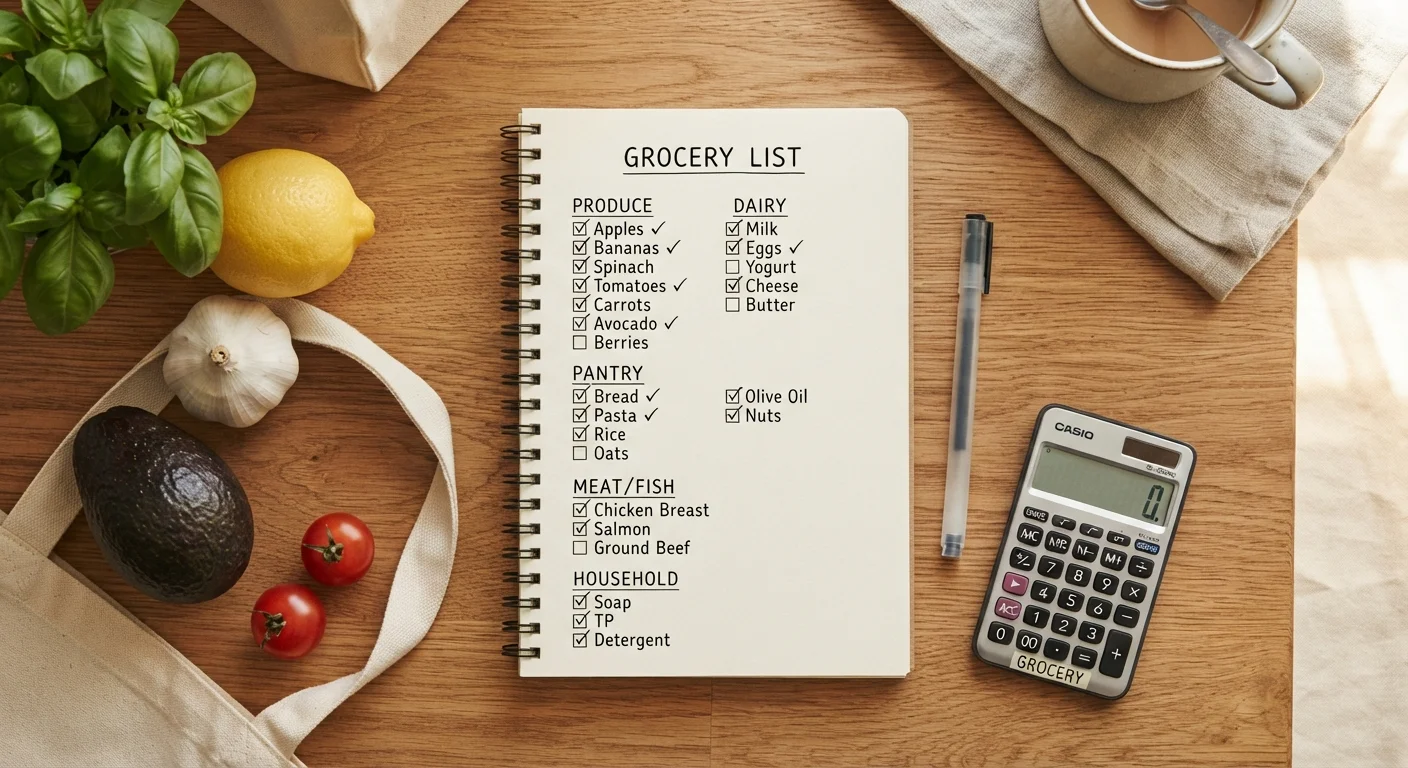
Finally, the best pantry discipline starts before you reach the store. A structured list that reflects what you actually cook — not what looks appealing in the aisle — prevents most impulse restocking. Building a shopping list that keeps you on budget walks through practical methods for doing exactly that.
Don't Let "Organization" Become Overstocking
A beautifully stocked pantry can create the illusion of preparedness while quietly increasing waste. Buying items to fill aesthetic containers or "complete" a shelf encourages purchasing beyond actual need. Stock what you cook, not what looks complete. If you want guidance on where spending more genuinely pays off around the home, this breakdown of when to splurge on home essentials offers a useful contrast.