What Unit Price Actually Means
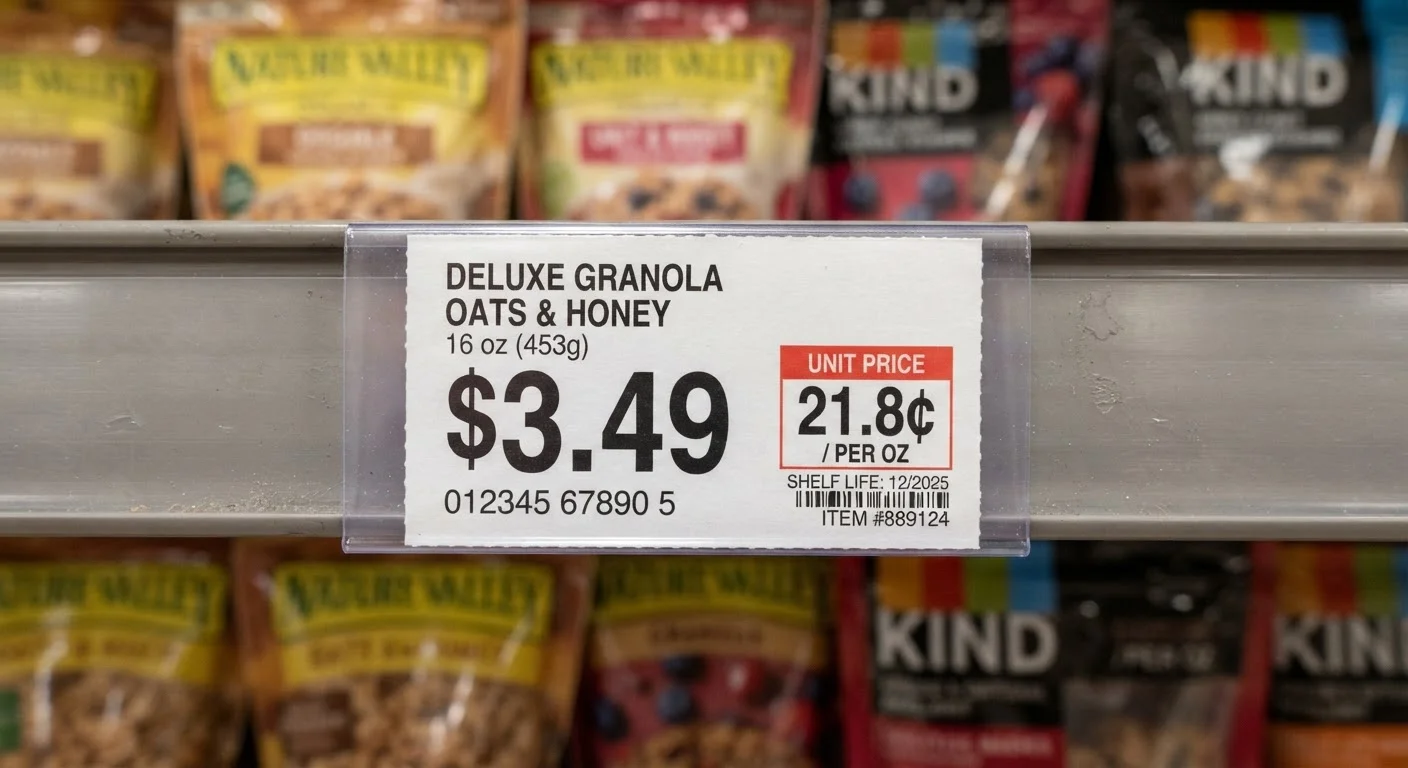
Every shelf tag displays at least two numbers: the total price you pay at the register, and the unit price — a smaller figure that converts that total into a standardized cost per measure. That second number is the one most shoppers walk past.
Unit price works by collapsing all the package-size variation in a product category into a single comparable figure. A 16-ounce jar and a 28-ounce jar of the same product can't be meaningfully compared by their sticker prices alone. Expressed as cost per ounce, both become instantly comparable.
The math itself is simple: total price divided by total quantity equals unit price. A $3.84 bottle containing 32 ounces works out to 12 cents per ounce. A $2.49 bottle containing 18 ounces works out to about 13.8 cents per ounce. The larger bottle looks like the bigger expense, but it's actually the more economical choice per ounce — something the sticker price alone won't tell you.
Unit Measures Vary by Product Category
Grocery stores don't use a single universal unit. Food products typically display cost per ounce or per pound; paper products often show cost per sheet or per count; beverages may use cost per fluid ounce. When comparing products, confirm both items are expressed in the same unit before drawing conclusions — a cost per ounce and a cost per pound, for example, are not directly comparable without conversion.
Why Shoppers Miss It — and What That Costs
The shelf tag is designed with hierarchy: the large bold price draws the eye first. The unit price, typically printed in a much smaller font, requires deliberate attention. Add to that the fact that product packaging is designed to convey value through size, color, and claims — and the small mathematical figure near the tag's edge rarely competes for attention.
The practical cost of skipping unit price comparisons accumulates quietly. A shopper who consistently buys a mid-size package because it "looks like more" without checking the unit cost may spend meaningfully more per year than one who takes 10 seconds to compare figures. Price and value aren't the same thing — and unit pricing is the tool that separates them.
~$500+
Estimated annual grocery overspend per household from missed unit-price comparisons
Consumer advocacy researchers have noted that households inattentive to unit pricing can pay meaningfully more per year on recurring staples, though exact figures vary by household size and shopping frequency.
30+
U.S. states with unit pricing disclosure requirements
A majority of U.S. states have statutes or regulations requiring grocery and general merchandise retailers to display unit prices on shelf tags, though exemptions and enforcement vary.
Common Traps Unit Price Helps You Avoid
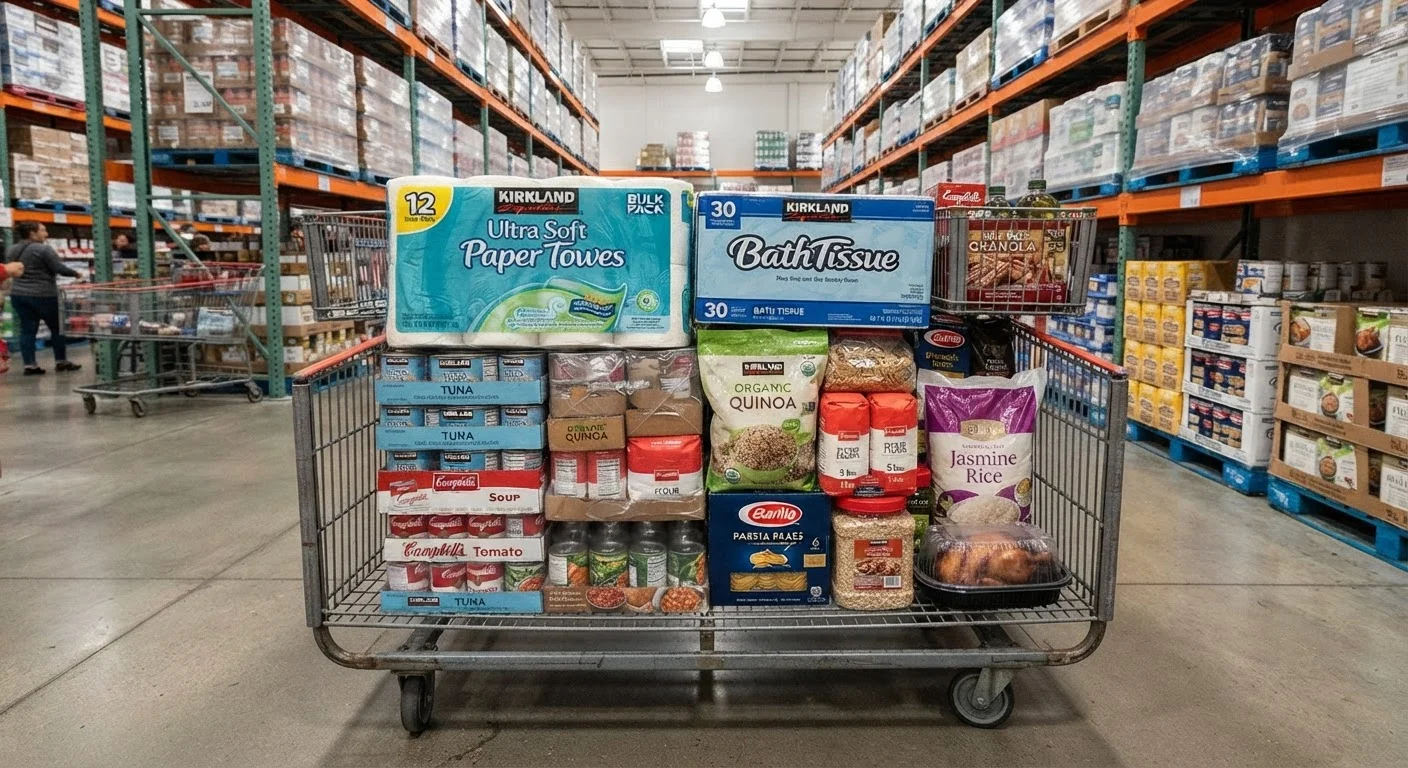
Bulk isn't always cheaper. This is the most persistent misconception in retail shopping. Warehouse-sized packages frequently do carry a lower unit price — but not always. Sale pricing, store promotions, or simple inventory decisions can make a standard-size package cheaper per unit than the bulk version. The only way to know is to check the unit price directly.
"Economy" labels can mislead. Packaging language like "economy size" or "family value" signals lower cost per unit, but that's a marketing claim, not a guarantee. Treat these as prompts to verify, not conclusions.
Different units block comparison. Paper towels sold per roll can't be compared to those sold per sheet count unless you convert. In categories where package contents vary significantly — like towels, trash bags, or batteries — the unit measure displayed matters as much as the number itself. Look for tags that express cost per sheet or per unit of actual use rather than per package.
For a broader look at how retail prices are set in the first place, understanding what drives retail pricing adds useful context to what you see on the shelf.
Calculate Unit Price When the Tag Is Missing
If a shelf tag doesn't display a unit price, find the net weight or count on the product package and divide the retail price by that number. For example: $4.50 ÷ 36 count = $0.125 per unit. Most grocery store apps also display unit prices in product search results, which can save time when comparing multiple options.
Putting It Into Practice
Using unit prices doesn't require a change in shopping habits so much as a shift in attention. Before placing a product in your cart, glance at the unit price and compare it to one or two alternatives on the same shelf. Most smartphone calculators handle the division in seconds when a tag is missing the figure.
In categories you buy repeatedly — laundry detergent, cooking oil, canned goods, paper products — tracking unit prices over a few shopping trips gives you a reliable baseline. You'll quickly learn which package sizes in your preferred stores tend to offer better per-unit value, and which "deals" are mostly packaging.
Unit price is the most useful number on any shelf tag — and once you start reading it, the sticker price starts to look like the less important figure it actually is.