The Problem with How Most People Mop
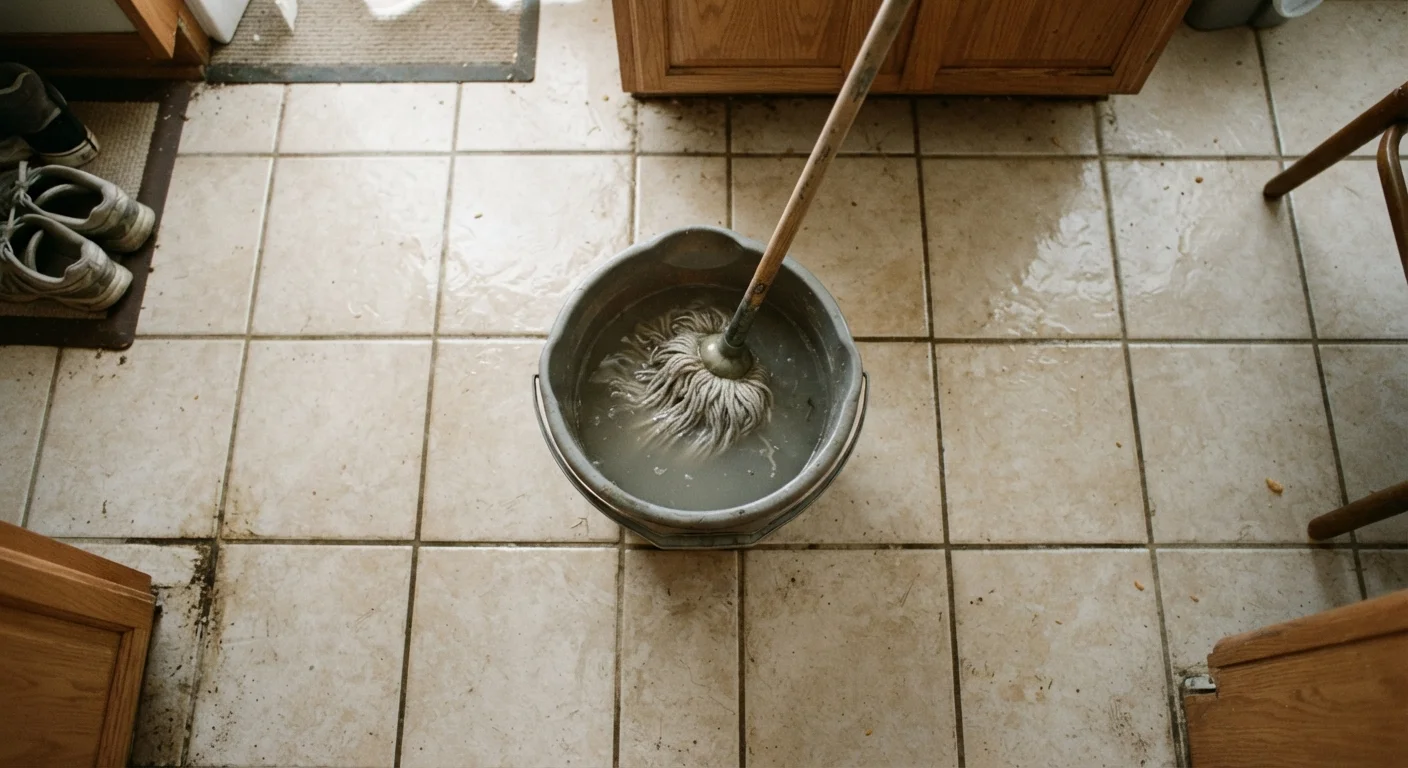
Mopping is one of those tasks that feels productive but can easily deliver zero cleaning benefit — or actively make things worse. Most households mop regularly and still end up with dull, streaky, or sticky floors. The issue usually isn't the effort; it's the method. A handful of consistent mistakes undermine the entire process, and most people repeat them every single time without realizing it.
Understanding what's actually happening during a mop cycle — how water, solution concentration, and mop condition interact — makes a meaningful difference. This isn't about spending more money on equipment. It's about using what you already have correctly. The same logic applies to other cleaning tools: see how floor type and usage patterns shape what actually works in our home cleaning routine guide.
Mopping without sweeping or vacuuming first.
Why it happens: It feels redundant to clean before cleaning, so many people skip directly to the mop to save time.
Using the same bucket of water for the entire floor without changing it.
Why it happens: Filling a fresh bucket for every room feels unnecessary, especially for smaller spaces.
Adding too much cleaning solution to the mop water.
Why it happens: The instinct is that more soap equals more cleaning power, so people pour generously without measuring.
Using a soaking-wet mop on hardwood or laminate floors.
Why it happens: People assume wetter means cleaner, and the difference between damp and wet isn't always obvious.
Continuing to use a mop head that is worn out, frayed, or smells mildew.
Why it happens: Mop heads degrade gradually, so the decline is easy to overlook until the mop is clearly ineffective.
Using the wrong mop type or cleaning solution for the floor material.
Why it happens: Many households use one mop for every surface, assuming floors are interchangeable from a cleaning standpoint.
Getting the Fundamentals Right
Once you've identified the mistakes, the corrections are largely straightforward. Start every mopping session by dry-sweeping or vacuuming thoroughly — this single step eliminates the most common source of floor damage during mopping. If you're uncertain whether your vacuum is doing its job before you mop, check for suction loss before you assume the floor is debris-free.
90%
Of floor cleaning problems traced to technique
Cleaning industry educators consistently note that most floor damage and residue complaints stem from incorrect dilution or excess moisture rather than product failure.
2–4 weeks
Recommended mop head replacement cycle
Cleaning professionals generally advise replacing or laundering mop heads every two to four weeks under normal residential use to prevent bacterial buildup and residue transfer.
On cleaning solutions: less is almost always better. A faint trace of cleaner in warm water is sufficient for routine maintenance mopping. If you're seeing white haze or sticky patches after the floor dries, reduce concentration before you try a different product. For a clearer read on what's actually in the cleaners you're using, the cleaning product label guide explains what label claims do and don't mean. And before mixing any leftover products, review which household cleaners should never be combined — some combinations create genuine hazards.
Steam Mops and Flooring Warranties
Steam mops are effective on sealed tile and stone but can void warranties on hardwood, laminate, and some vinyl plank floors. High heat and moisture penetrate seams and cause swelling over time. Before using a steam mop, check your flooring manufacturer's care documentation to confirm it's an approved method for your specific material.
Finally, treat the mop itself as part of the cleaning system, not just a tool. Rinse mop heads after every use, launder or replace them regularly, and store them head-up so they dry completely. A mop that smells musty before you start is already working against you.