The Forces That Quietly Inflate Your Bill
Broad price inflation gets most of the attention, but it explains only part of why grocery and household shopping totals keep climbing. Several distinct mechanisms operate below the level most shoppers consciously track — and understanding them is the first step to countering them.
Shrinkflation is the most documented: manufacturers reduce the net weight or count in a package while the shelf price holds steady or rises only slightly. The result is a hidden per-unit price increase that doesn't trigger the same mental alarm a visible price jump would. A box of crackers or a bottle of detergent that looks identical can be delivering meaningfully less product than it did eighteen months ago.
Beyond shrinkflation, retailers and brands use pricing architecture — tiering, bundle framing, and promotional benchmarking — to shape which options feel like the sensible choice. Retail pricing is shaped by more factors than supply and demand, and being aware of those factors changes how you read a shelf. Combine these structural forces with individual habit drift and you get a cart that costs more without any single line item feeling alarming.
~3,800
Consumer products tracked for shrinkflation
The U.S. Bureau of Labor Statistics monitors thousands of consumer products and has documented ongoing package size reductions across food and household categories.
10–30%
Typical unplanned purchase share of grocery trips
Research in consumer behavior consistently finds that a meaningful portion of grocery purchases are unplanned, with estimates typically ranging from 10% to 30% of items per trip.
Common Shopping Mistakes That Compound the Problem
The structural factors above set the stage, but everyday shopping habits determine how much they affect your total. Several recurring mistakes make consumers more vulnerable to these pricing dynamics — and most of them are correctable with small, durable adjustments rather than wholesale changes to how you shop.
Ignoring package size changes and only comparing shelf prices.
Why it happens: Most shoppers scan the price tag, not the net weight or count. Manufacturers routinely reduce package contents while holding the price steady — a practice known as shrinkflation — making the change nearly invisible at a glance.
Letting product upgrades accumulate gradually without noticing the cumulative cost.
Why it happens: Switching from a standard item to a premium version feels minor in the moment — an extra dollar or two. Over dozens of categories and months of shopping, this 'habit drift' meaningfully inflates a basket without any single decision feeling significant.
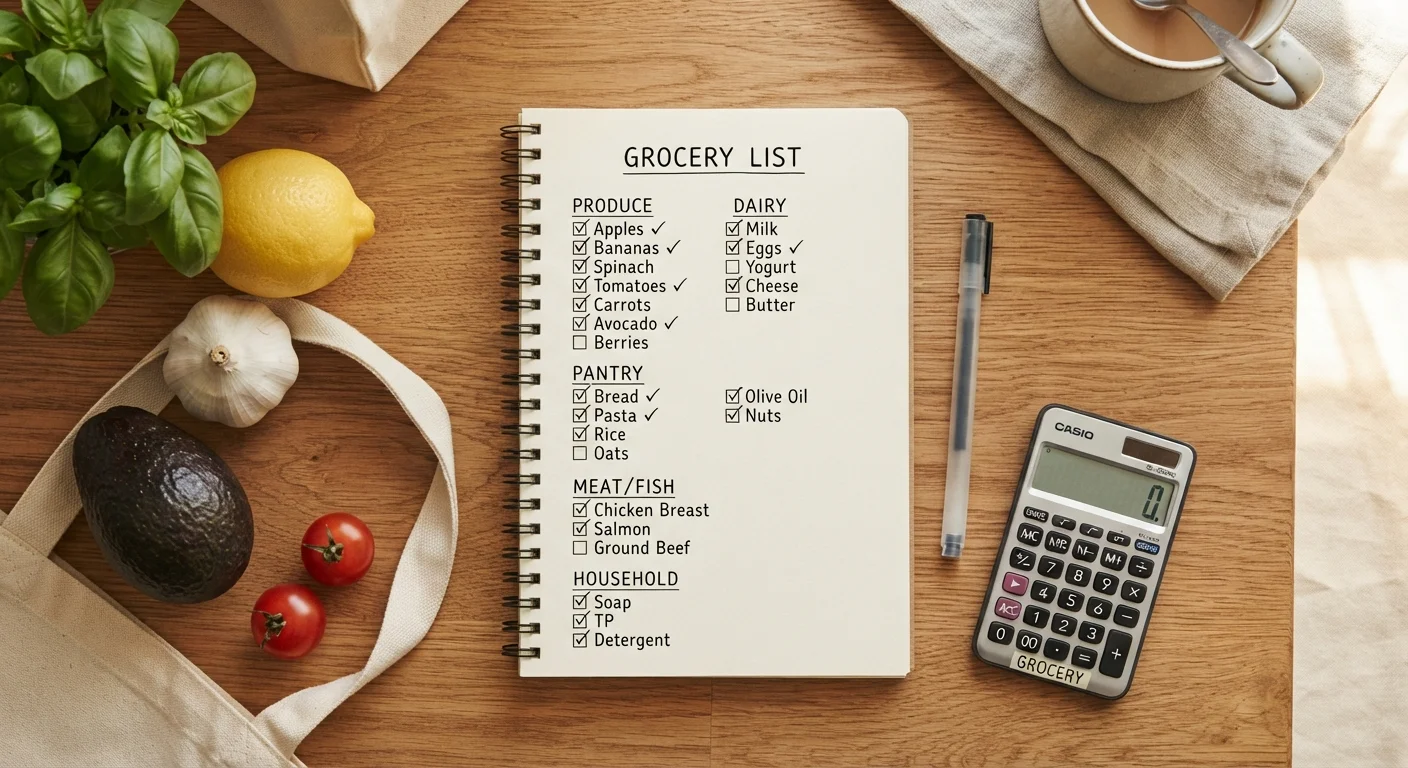
Shopping without a defined list, which leaves spending open to in-store influence.
Why it happens: Store layouts, endcap displays, and scarcity cues (low-stock labels, limited-time signage) are designed to prompt unplanned additions. Without an anchor list, the decision of what to buy is being made largely by the retail environment. See how a structured list limits impulse additions for practical methods.
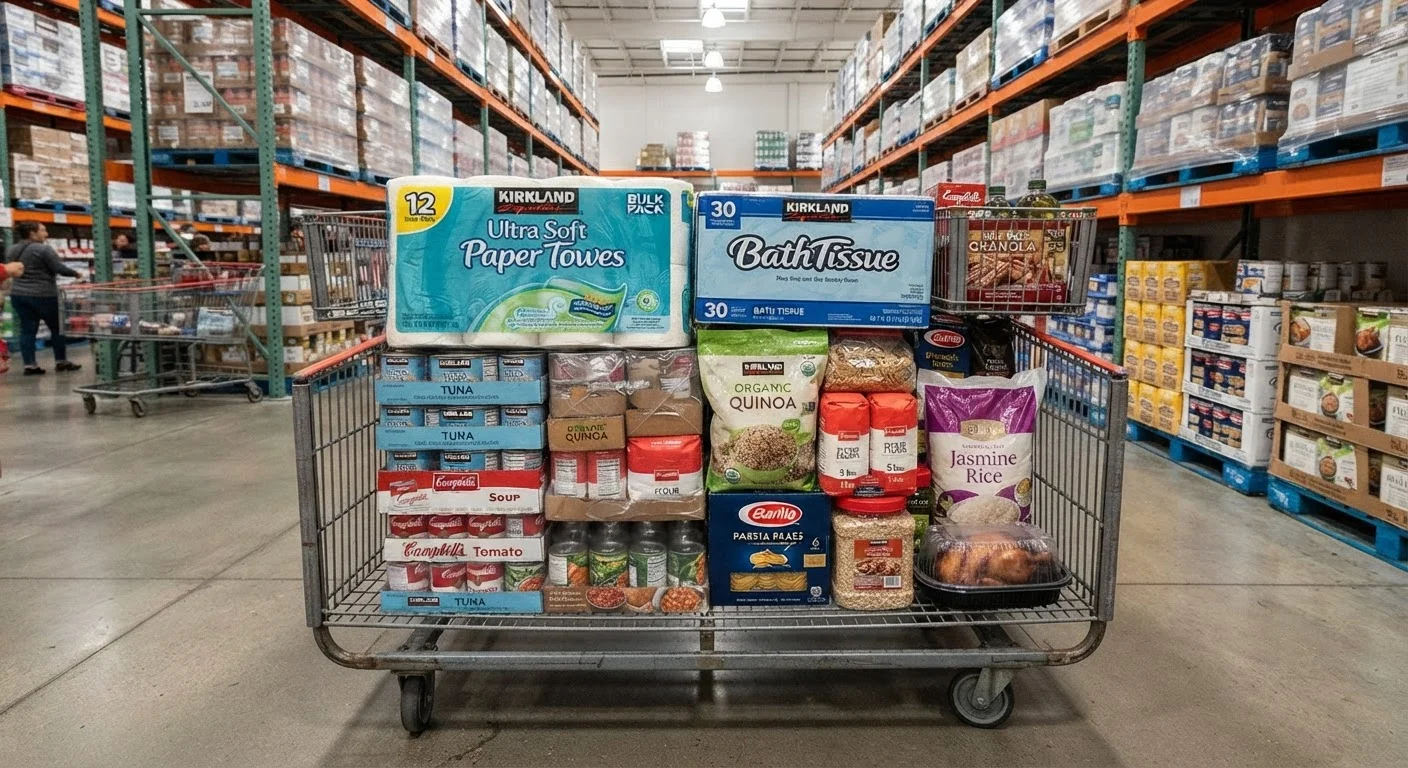
Assuming the largest package or the promotional price is automatically the best value.
Why it happens: Bulk sizing and sale framing both carry a strong implied signal of savings, but that signal is not always accurate. Promotional prices are sometimes benchmarked against inflated regular prices, and large packages can carry a higher unit cost than mid-size ones.
Letting subscription or auto-reorder services run unchecked.
Why it happens: Auto-replenishment is convenient, but it disconnects you from active purchase decisions. Prices on subscriptions can rise between cycles, quantities may exceed actual consumption, and the habit of reviewing what you actually need atrophies quickly.
Unit Price Is Your Most Reliable Signal
The sticker price on a package tells you very little on its own. Retailers are not required to make unit prices easy to find, and shelf tags sometimes use different units for competing products (ounces vs. count, for example). Always locate and compare the unit price — typically shown on the shelf label — before assuming the larger or promotional package is the better value.
For a closer look at how these same patterns show up in online retail — where one-click purchasing and saved payment details remove friction from spending decisions — see online shopping habits that cost more than they save. The mechanics differ slightly from in-store shopping, but the underlying vulnerabilities are similar.
Loyalty Programs Can Nudge Overspending
Points, tiers, and spend-to-unlock rewards are designed to increase basket size, not to save you money. Before adding items to reach a rewards threshold, calculate whether you actually need those items and whether the reward genuinely offsets the extra spend. Often it does not.
Pantry staples deserve particular scrutiny because they're purchased repeatedly and on autopilot. Some everyday items carry far higher markups than their alternatives — a pattern explored in detail in the pantry staples that quietly drain grocery budgets guide. Reviewing even three or four high-frequency staple categories can surface meaningful savings without changing what you actually eat or use.
Taken together, these adjustments don't require dramatic lifestyle changes. They require paying a different kind of attention — one focused on unit value and purchase intent rather than sticker price and convenience. That shift, applied consistently, is what actually moves the total at checkout.