The Core Difference: What Each Policy Is Built to Protect
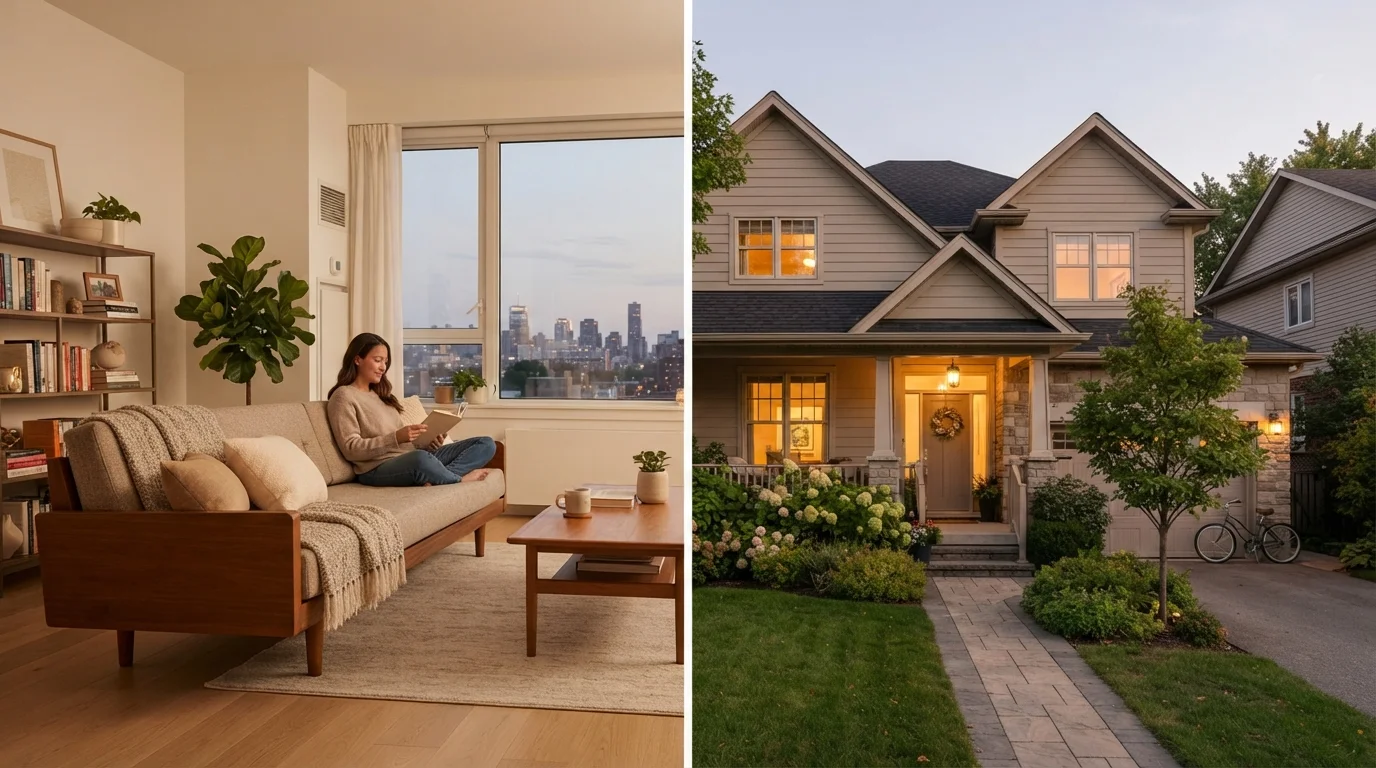
The fundamental distinction between renters and homeowners insurance comes down to one question: do you own the building you live in?
Renters insurance is designed for people who lease their home. Because tenants don't own the structure — the landlord does — renters insurance focuses on what tenants do own: their personal belongings, and their legal liability if they accidentally injure someone or damage property. The walls, roof, and plumbing are the landlord's responsibility to insure.
Homeowners insurance is designed for people who own their residence. It wraps together dwelling coverage (the physical structure), personal property coverage (your belongings inside), and liability protection into a single policy. Because you own the building, you're also responsible for insuring it.
For a deeper look at how these two coverage types are structurally different, see how each policy is built.
| Renters Insurance | Homeowners Insurance | |
|---|---|---|
| Who it's for | Tenants who lease their home | People who own their home |
| Building structure coverage | Not included | Yes — core component of the policy |
| Personal property coverage | Yes | Yes |
| Personal liability coverage | Yes | Yes |
| Additional living expenses | Yes | Yes |
| Typically required by | Some landlords (not always) | Mortgage lenders (usually required) |
| Flood and earthquake coverage | Separate policy needed | Separate policy needed |
| General cost range | Lower premiums | Higher premiums |
What Renters Insurance Covers — and What It Doesn't
A standard renters insurance policy generally includes three categories of protection:
- Personal property: Covers your furniture, electronics, clothing, and other belongings if they're damaged by covered events like fire, theft, or certain water damage.
- Personal liability: If a guest is injured in your apartment, or you accidentally damage a neighbor's property, liability coverage can help pay for legal costs and damages.
- Additional living expenses (ALE): If your unit becomes uninhabitable after a covered event, ALE helps pay for temporary housing and meals.
What renters insurance does not cover: the building itself. If a pipe bursts inside the wall and damages the structure, that's the landlord's insurance issue. Renters insurance also typically excludes flooding and earthquakes unless you add separate coverage.
One common misconception is that a landlord's policy will protect a tenant's belongings after a fire or theft. It won't. For a full breakdown of exclusions and coverage limits, see what renters insurance covers and what it doesn't.
Check Your Lease Before Skipping Renters Insurance
Some landlords now require tenants to carry renters insurance as part of the lease agreement. Even when it isn't required, renters insurance is generally inexpensive and can protect thousands of dollars worth of belongings. Review your lease terms and consider what you'd lose if your apartment were burglarized or damaged by a fire.
What Homeowners Insurance Covers
Homeowners insurance is broader by design. A standard policy — often referred to by the form name HO-3 in the industry — typically includes:
- Dwelling coverage: Pays to repair or rebuild the physical structure of your home if it's damaged by covered perils such as fire, wind, or hail.
- Other structures: Covers detached garages, fences, and sheds on your property.
- Personal property: Similar to renters insurance, this covers your belongings inside the home.
- Liability protection: Covers legal costs and damages if someone is injured on your property or you cause damage elsewhere.
- Additional living expenses: Helps with temporary housing if your home is uninhabitable after a covered loss.
Like renters policies, standard homeowners insurance typically excludes floods and earthquakes. These require separate policies or endorsements. Mortgage lenders generally require homeowners insurance as a condition of the loan. For a first-timer's guide to reading a homeowners policy, see our homeowners insurance walkthrough.
~57%
Renters without renters insurance
According to the Insurance Information Institute, a majority of renters in the U.S. go without any renters insurance coverage.
~$1,500+
Average annual homeowners insurance premium
The National Association of Insurance Commissioners has reported average homeowners insurance premiums exceeding $1,500 annually, though costs vary significantly by state.
Cost, Requirements, and Choosing What Applies to You
Renters insurance is generally far less expensive than homeowners insurance because it excludes the building structure — typically the costliest component to insure. Homeowners insurance premiums vary widely based on the home's location, age, construction type, and the coverage amounts you choose.
Neither policy is one-size-fits-all. Coverage limits, deductibles, and exclusions differ between providers and policies. Always read the declarations page and policy documents carefully, and consider consulting a licensed insurance agent to match coverage to your specific situation.
To understand how your housing status shapes your overall risk profile, see how renters and homeowners insurance needs differ. You can also explore more coverage concepts through the Auto & Home Insurance hub.
This article is for general informational purposes only and does not constitute personalized insurance, financial, or legal advice. Coverage terms, exclusions, and availability vary by provider and state. Consult a licensed insurance professional before making coverage decisions.
Don't Assume Your Landlord's Policy Covers You
A landlord's insurance policy covers the building — not a tenant's personal property or liability. If your belongings are stolen or destroyed, or if a guest is injured in your unit, the landlord's policy won't step in to help you. This is one of the most common and costly misunderstandings in renters insurance.