
What a Budget Actually Is
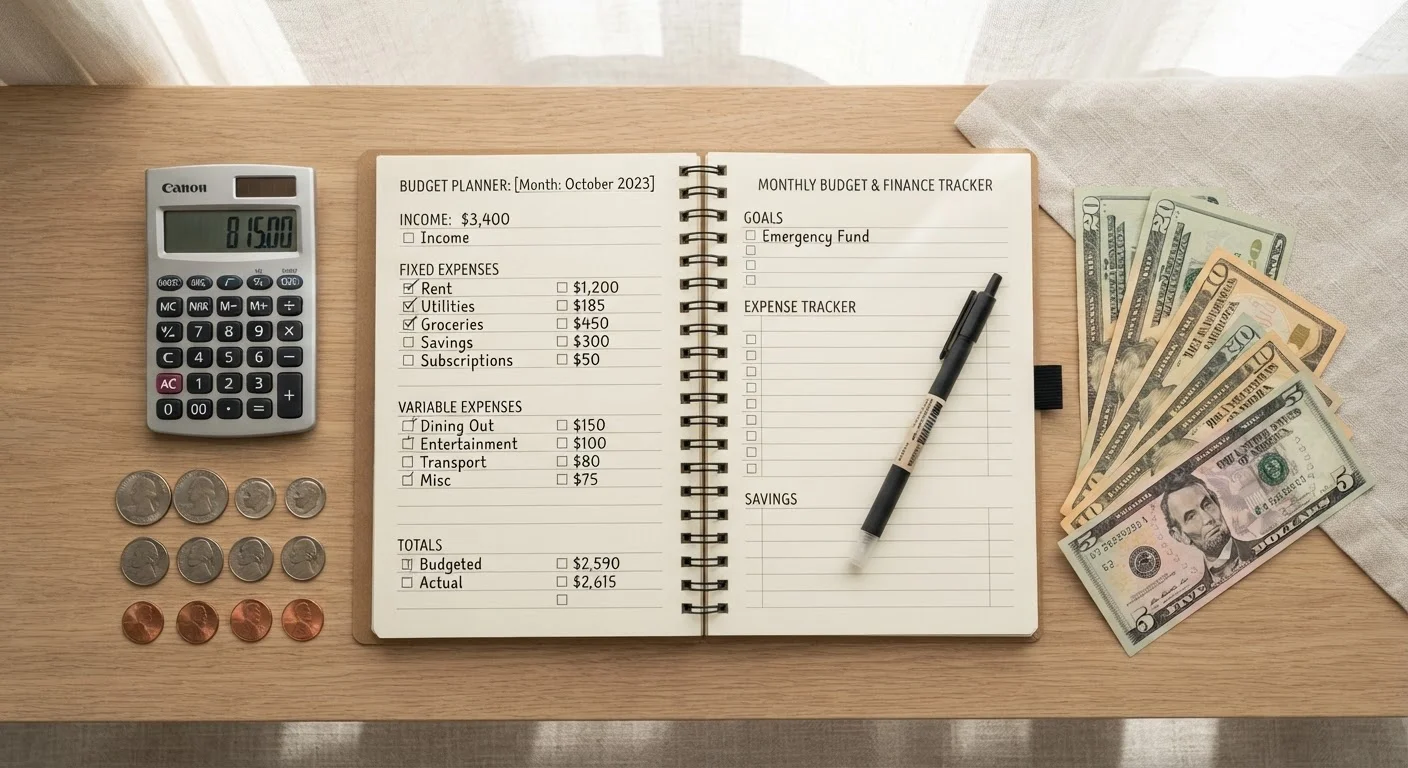
A budget is simply a plan for how you intend to use your money during a given period — typically a month. It is not a restriction on what you enjoy, and it is not a signal that you are in financial trouble. Think of it as a decision made in advance: rather than wondering where your paycheck went at month's end, you tell your money where to go before you spend it.
This distinction matters. Many people avoid budgeting because it sounds like deprivation. In practice, a budget does the opposite — it creates space for the things you value by cutting waste from the areas you care less about. For a deeper look at misconceptions that hold people back, see common budgeting myths worth setting aside.
Net income
The money you actually receive after taxes and other deductions are taken out of your paycheck. This is the figure you should base your budget on, not your gross salary.
Fixed expense
A recurring cost that stays the same amount each month, such as a rent payment or a car loan installment. These are predictable and easy to plan for.
Variable expense
A cost that changes in amount from month to month, like groceries or gas. Variable expenses require more active monitoring because they can creep higher without notice.
Discretionary spending
Money spent on non-essential items and experiences — things you want but do not strictly need. Dining out, streaming subscriptions, and hobbies typically fall into this category.
Emergency fund
A dedicated pool of savings set aside to cover unexpected expenses, such as a medical bill or car repair, without disrupting your regular budget or taking on debt.
Zero-based budgeting
A method where every dollar of income is assigned to a specific category — expenses, savings, or debt — so that nothing is left unallocated at the end of the process.
Know Your Numbers: Income and Expenses
Before you can build a budget, you need two figures: what comes in and what goes out. Start with your net income — the amount deposited to your account after taxes, Social Security, and any other payroll deductions. If you have irregular income, use a conservative monthly average based on your last several months of earnings.
Next, list your expenses. Separate them into two types:
- Fixed expenses — amounts that stay the same each month, such as rent or mortgage, loan payments, and insurance premiums.
- Variable expenses — amounts that fluctuate, such as groceries, utilities, dining out, and entertainment.
Don't guess — pull actual numbers from two or three months of bank and credit card statements. This exercise alone often surprises people. For a structured reference on grouping your costs, the budget categories reference guide is a practical companion.
Pull Real Data, Not Estimates
When listing your expenses for the first time, resist the urge to guess. Log into your bank and credit card accounts and review at least two to three months of actual transactions. Real numbers reveal patterns that memory almost always underestimates — especially for small, frequent purchases like coffee or convenience-store stops.
Choosing a Budgeting Framework
Once you know your income and expenses, a framework helps you decide how to allocate each dollar intentionally. Several approaches are widely used:
- 50/30/20
- Allocate approximately 50% of after-tax income to needs (housing, food, utilities), 30% to wants (dining, subscriptions, hobbies), and 20% to savings and debt repayment. It is a flexible starting point, not a rigid prescription.
- Zero-based budgeting
- Assign every dollar of income a specific job — expenses, savings, or debt — so that income minus all allocations equals zero. This approach requires more detail but leaves nothing unaccounted for.
- Pay yourself first
- Automatically direct a set amount to savings as soon as income arrives, then budget the remainder for expenses. This prioritizes long-term goals before discretionary spending.
No single method is universally superior. The right framework is the one you will maintain consistently. For a step-by-step walkthrough of putting one of these into practice, see building your first monthly budget.
Frameworks Are Starting Points
Popular budgeting ratios like 50/30/20 were designed as accessible guidelines, not exact rules. Housing costs alone can exceed 50% of take-home pay in high-cost cities, making a strict interpretation unrealistic. Use any framework as a diagnostic lens — it helps you see where your money flows and where adjustments might make sense for your specific situation.
Making Your Budget Stick
Creating a budget is the easy part. The harder work is returning to it regularly. A few habits significantly improve follow-through:
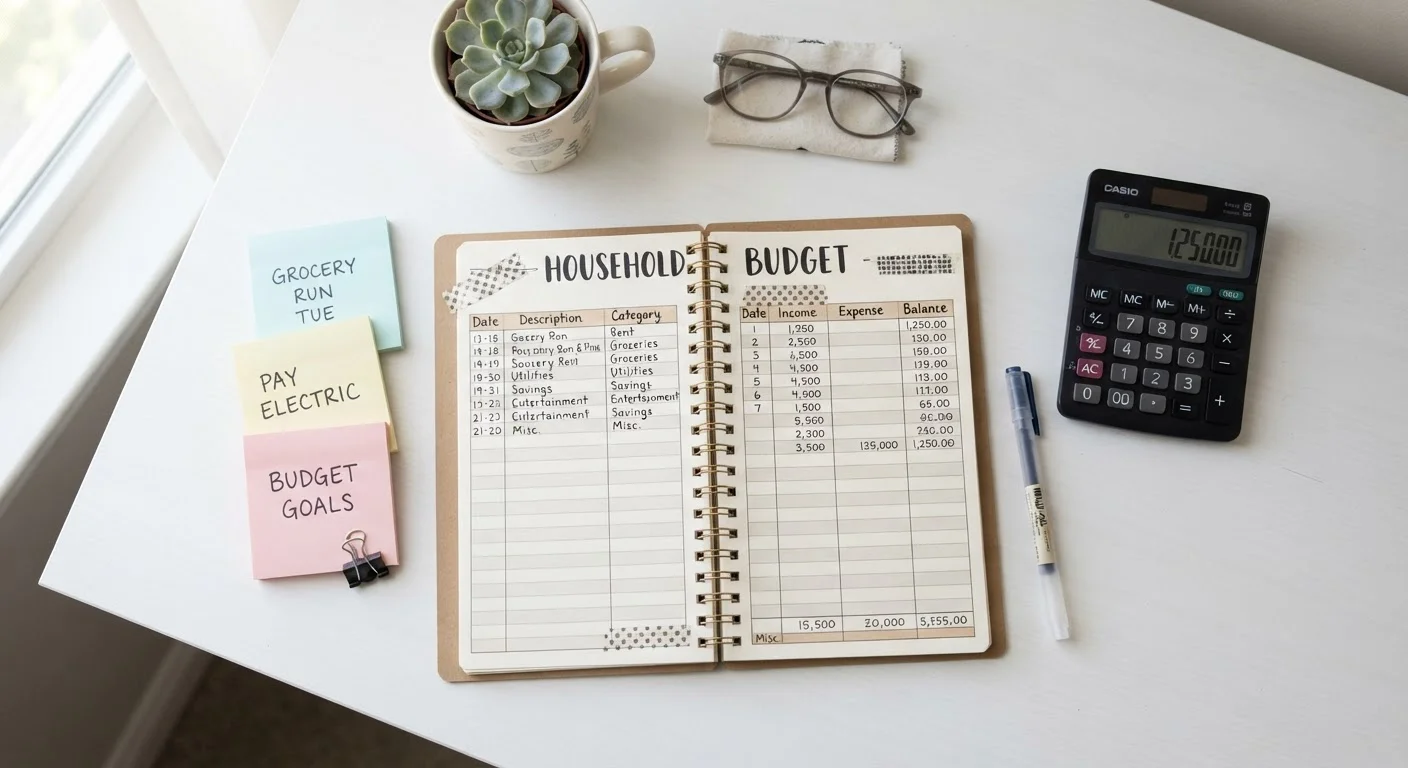
- Track every transaction. Whether you use a notebook, a spreadsheet, or an app, recording spending in real time prevents end-of-month surprises. The spending tracker comparison can help you choose the format that suits your routine.
- Schedule a weekly check-in. Even five minutes reviewing your running totals keeps your budget visible and your decisions intentional.
- Build in flexibility. Include a small discretionary category — sometimes called a personal allowance — so the budget does not feel punishing on ordinary days.
- Plan for irregular expenses. Annual costs like car registration, holiday gifts, or appliance maintenance can derail a monthly budget if they arrive as surprises. Divide the annual total by 12 and set that amount aside each month.
Avoid the Perfection Trap
One of the most common reasons people abandon a budget is a single bad month — they overspend in one category and decide the whole system has failed. A budget is meant to be adjusted, not abandoned. Missing a target is information, not failure; it tells you which categories need a more realistic allowance going forward.
Where to Go From Here
A working budget is the foundation of almost every other personal finance goal — paying down debt, building an emergency fund, and eventually investing for the future. Once you have one month under your belt, the process becomes faster and more intuitive.
From here, consider expanding your knowledge in two directions. The Saving & Debt hub covers strategies for building a financial cushion and eliminating what you owe. When you are ready to think longer term, the Investing Essentials hub introduces foundational concepts for growing wealth over time.
For a comprehensive single resource that ties everything together, the Complete Guide to Personal Budgeting in America covers the full journey from income tracking to long-term system maintenance.
This article is for general informational and educational purposes only and does not constitute personalized financial advice. Your financial situation is unique — consider consulting a qualified financial professional before making significant financial decisions.