The Simplest Way to Think About a Budget
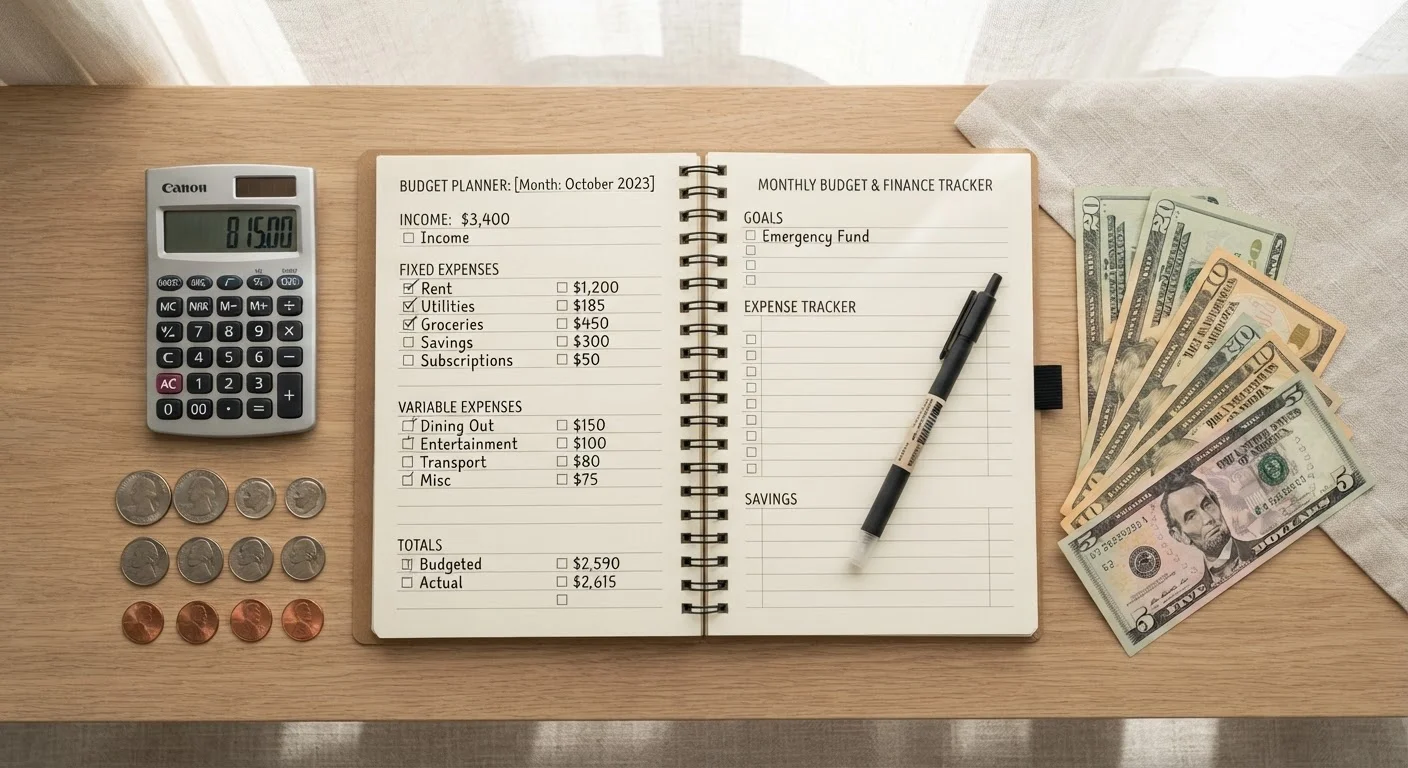
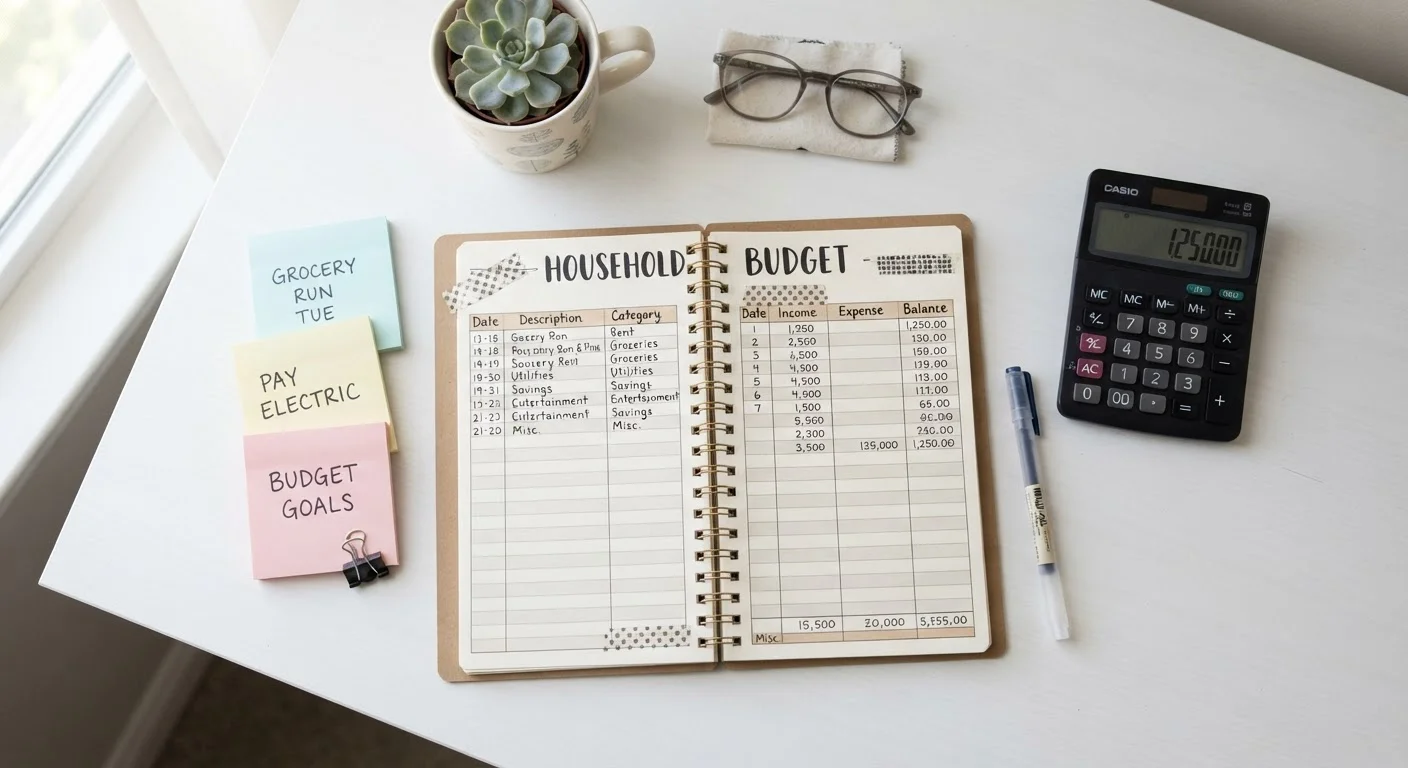
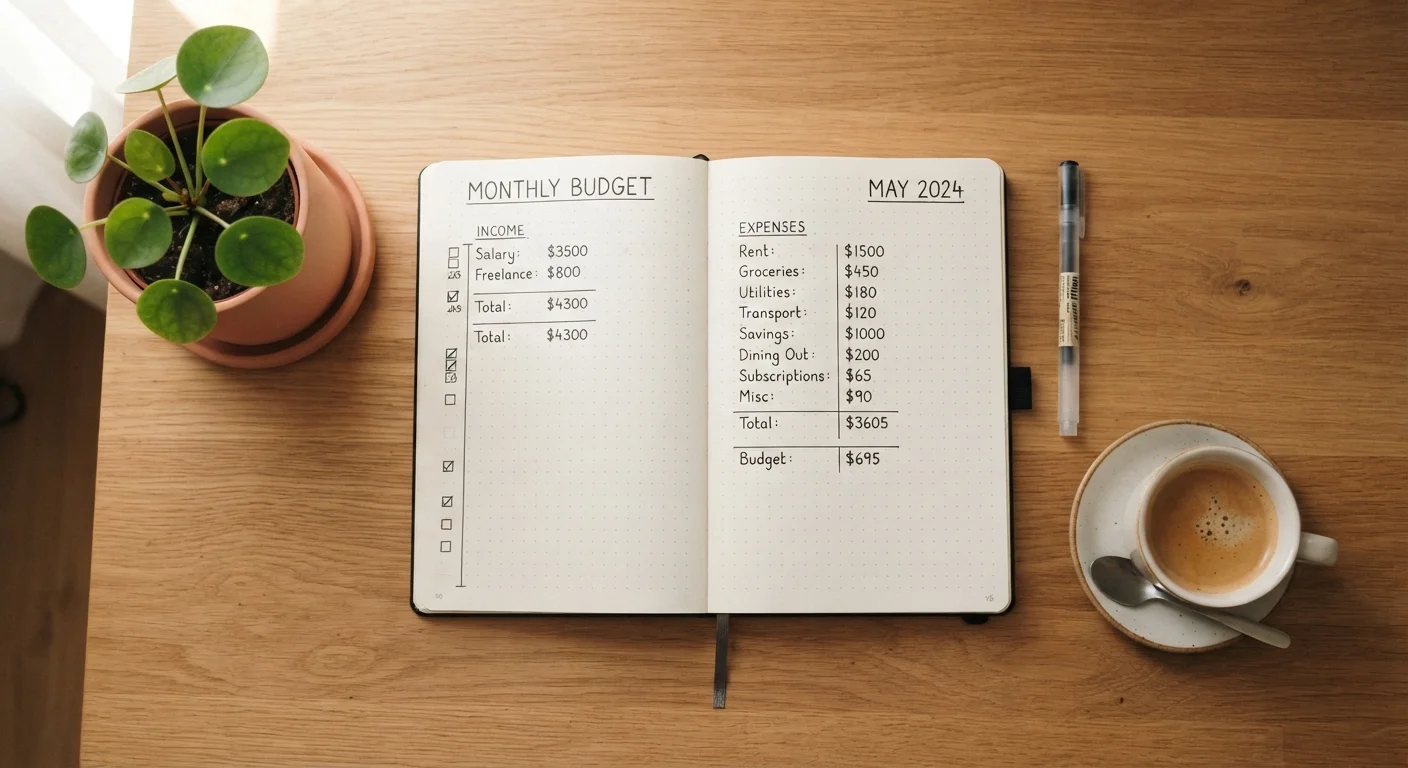
Strip away all the spreadsheets and apps, and a budget is just an answer to one question: Where do I want my money to go this month? It's a plan you write — or type — before the month begins, assigning your expected income to specific categories like housing, groceries, transportation, savings, and everything else.
That's it. A budget doesn't judge how you spend. It doesn't demand sacrifice. It simply makes your financial intentions explicit so you can compare them against reality.
If you've ever reached the end of the month unsure where your paycheck went, you've already experienced what life without a budget feels like. A budget closes that gap — not by restricting you, but by giving you a clear picture before the money moves.
Budgeting Is Not the Same as Accounting
Accounting records what has already happened; budgeting plans what should happen next. Both are useful, but a budget is forward-looking. You don't need accounting knowledge or specialized software to build a functional personal budget — a basic spreadsheet or even paper is sufficient.
What a Budget Is Not
Budgets carry a lot of cultural baggage. Many people associate them with deprivation, guilt, or financial failure — as if only people in crisis need one. That framing is both wrong and counterproductive.
- A budget is not a punishment. It doesn't exist because you've done something wrong with money. It exists because managing money intentionally is a skill, and skills benefit everyone.
- A budget is not a rigid cage. Budgets are living documents. When your circumstances change — a raise, an unexpected bill, a new expense — you adjust the plan. Flexibility is built into the process.
- A budget is not just for people in debt. High earners, retirees, and financially stable households all benefit from knowing where their money goes. Wealth is rarely built by accident.
- A budget is not a one-time event. Setting a budget in January and never revisiting it isn't budgeting — it's guessing. A functional budget gets reviewed and updated regularly.
If any of those misconceptions have kept you from starting, you're not alone. See how common budgeting myths may be holding people back from a practice that could genuinely help them.
Start Simple, Then Refine
You don't need a perfect budget on your first try. Start by listing your fixed monthly expenses and your take-home income, then see what's left over. That single exercise reveals more than most people expect. You can add detail and structure over time as the habit becomes routine.
What a Budget Actually Does for You
A budget functions as a financial mirror. It reflects your priorities — both the ones you say you have and the ones your spending reveals. That contrast is often informative.
~33%
Americans with a detailed household budget
Gallup polling has consistently found that fewer than one in three Americans maintain a detailed monthly household budget, despite widespread acknowledgment that budgeting is beneficial.
72%
Adults reporting financial stress
The American Psychological Association's annual Stress in America survey has repeatedly found money to be among the top stressors for American adults.
Beyond awareness, a budget actively helps you:
- Reduce financial stress. Knowing your bills are covered and your savings goal is funded removes a significant source of anxiety. Uncertainty about money is a major stressor for American households.
- Make progress on goals. Whether the goal is an emergency fund, a vacation, or a down payment on a home, a budget is the mechanism that turns intention into funded reality.
- Avoid reactive decision-making. Without a plan, spending decisions get made impulsively. A budget gives you a reference point before you spend, not regret after.
Ready to put this into practice? Personal Budgeting From the Ground Up walks through every foundational concept you need to start managing your money with confidence.
Choosing an Approach That Works for You
There's no universal budgeting method. The right approach is the one you'll actually maintain. Common frameworks include allocating income by percentage categories, the envelope system that assigns cash to physical spending buckets, or zero-based budgeting where every dollar of income is assigned a job — including savings — until the balance reaches zero.
What matters most isn't which system you pick — it's that your plan reflects your actual income, accounts for your real expenses, and gets revisited when things change.
Building a budget from the ground up is straightforward once you understand what a budget is actually trying to do: align where your money goes with what you actually value.
“A budget is telling your money where to go instead of wondering where it went.”
— John C. Maxwell, Leadership author and speaker, widely cited in personal finance contexts
This article is for general informational and educational purposes only and does not constitute personalized financial advice. Consult a qualified financial professional for guidance specific to your situation.