The Gap Between Perception and Reality
When researchers and financial educators ask people to estimate their monthly spending before reviewing their actual records, the results are consistently humbling. Most people guess low — sometimes by several hundred dollars. That gap isn't a character flaw; it's a natural consequence of how we process routine spending. Small, frequent purchases feel negligible in the moment and fade from memory quickly.
The solution is straightforward: stop relying on memory and start creating a record. Expense tracking closes the gap between what you believe you spend and what your bank and credit card statements confirm you spend. It's not about judgment — it's about data.
~$1,500
Average monthly underestimate of personal spending
Financial planning research consistently finds that people significantly underestimate discretionary spending when relying on memory rather than records.
60%+
Of Americans living paycheck to paycheck
Multiple surveys from financial research organizations in recent years have found that a majority of U.S. adults report having little financial buffer between income and expenses.
If you're new to the idea of structured money management, the foundational guide to personal budgeting provides helpful context for where expense tracking fits within a broader financial plan.
Fixed vs. Variable: Why the Distinction Matters
Not all expenses behave the same way, and recognizing the difference shapes how you manage them.
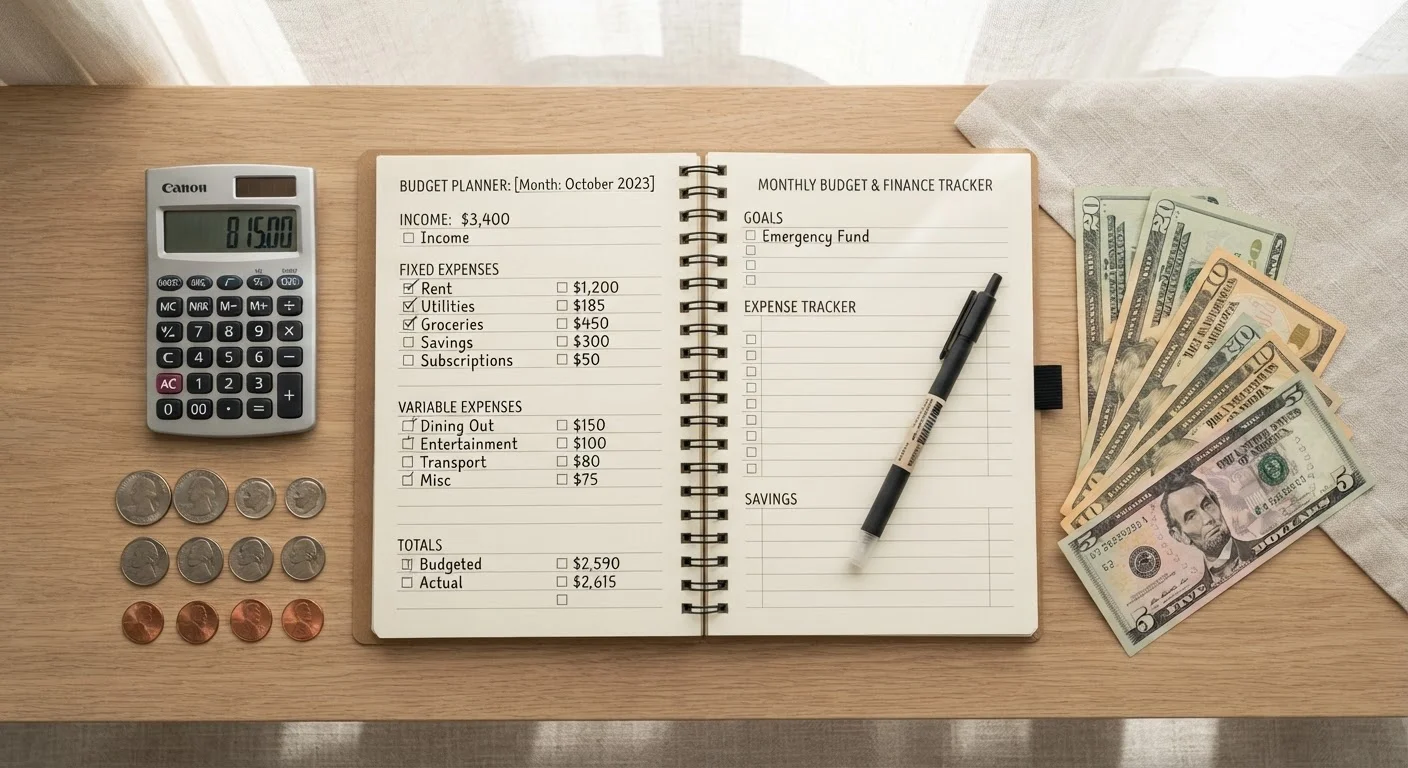
Fixed expenses are predictable and consistent each month — rent or mortgage, car payments, insurance premiums, and most subscription services. Because they don't fluctuate, they're easier to plan around. You know exactly what's coming.
Variable expenses shift from month to month — groceries, gas, dining out, clothing, and entertainment. These are where most people's budgets drift without warning. A week of restaurant lunches, an unexpected car repair, or a few impulse purchases can push a variable category well past any mental estimate.
Tracking both categories over a full month makes their true behavior visible. You'll often find that variable spending is far less predictable than you assumed — and that small decisions compound quickly. For a deeper look at the habits that quietly push spending off track, see our article on hidden spending patterns that derail budgets.
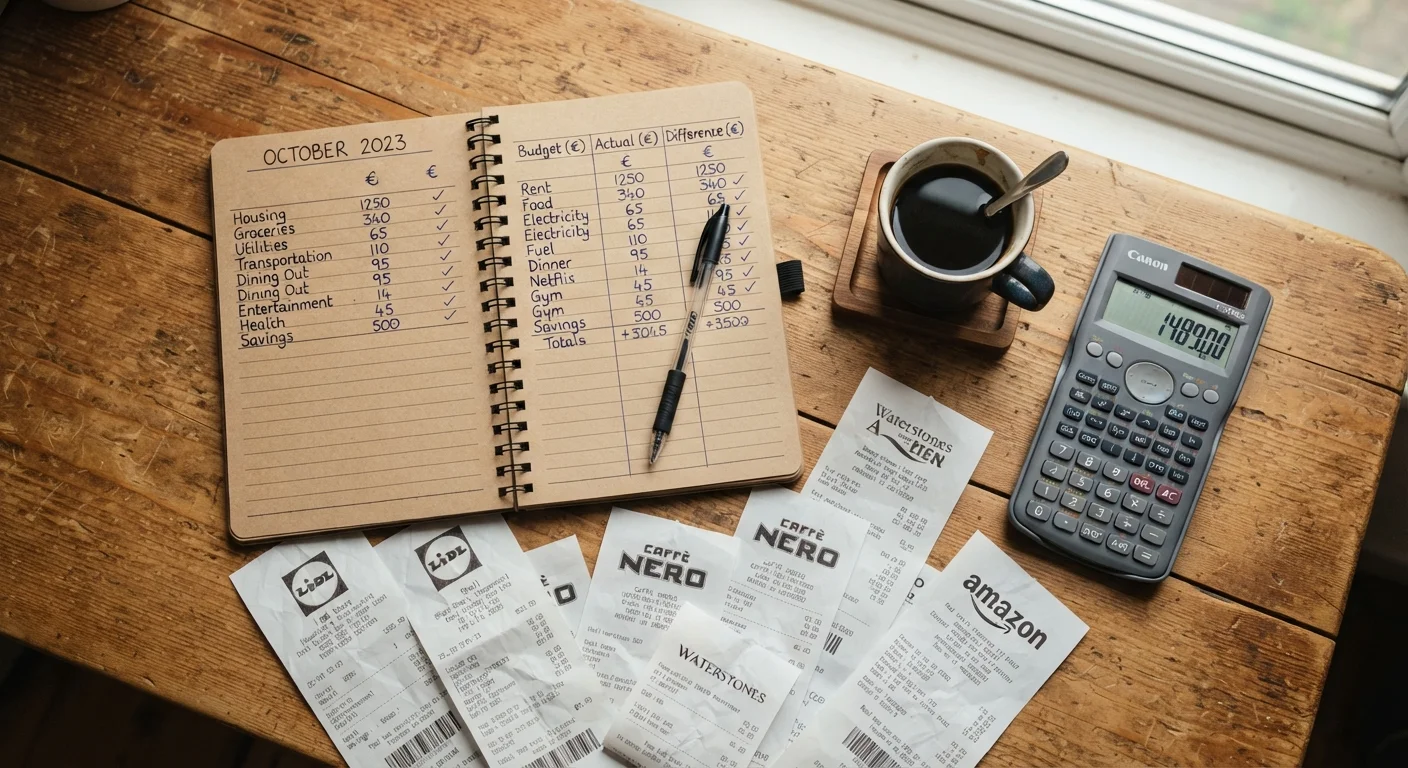
Separate 'Groceries' and 'Dining Out'
Combining all food spending into one category is one of the most common tracking mistakes. Grocery spending and restaurant or delivery spending have very different patterns and levers for adjustment. Keep them in separate categories from day one — the distinction will clarify far more than you expect.
What One Month of Tracking Actually Reveals
A single month of consistent expense tracking typically surfaces several findings that surprise people:
- Subscription creep: Streaming services, fitness apps, news subscriptions, and cloud storage often total far more than people realize when listed together.
- Dining and convenience spending: Coffee runs, delivery fees, and last-minute takeout frequently represent one of the largest variable categories once itemized.
- Irregular bills: Annual or quarterly charges — car registration, professional memberships, insurance renewals — catch people off guard because they're easy to forget during monthly planning.
- Rounding and underestimating: People consistently round down purchases in their heads, shaving $3–$8 off each transaction in their mental accounting.
Once you have this data in hand, you can move from observation to action. The six-step process for building your first monthly budget walks through exactly how to translate tracked expenses into a workable spending plan.
Turning Data Into a Habit That Sticks
Tracking expenses once is useful. Doing it consistently each month is transformative. The goal is to make it a low-friction habit — something that takes minutes, not hours.
Set a brief weekly check-in: review transactions, assign categories, and note anything unusual. At month's end, total each category and compare it to your targets. If a category ran over, investigate why before the next month begins. The monthly budget review process gives you a structured framework for this reflection.
The form your tracking takes matters less than the consistency. Whether you use a notebook, a spreadsheet, or an app, the underlying discipline is the same: every dollar gets accounted for. Over time, this awareness itself shifts spending behavior — not through restriction, but through clarity.
Tracking Tools: Choose What Works for You
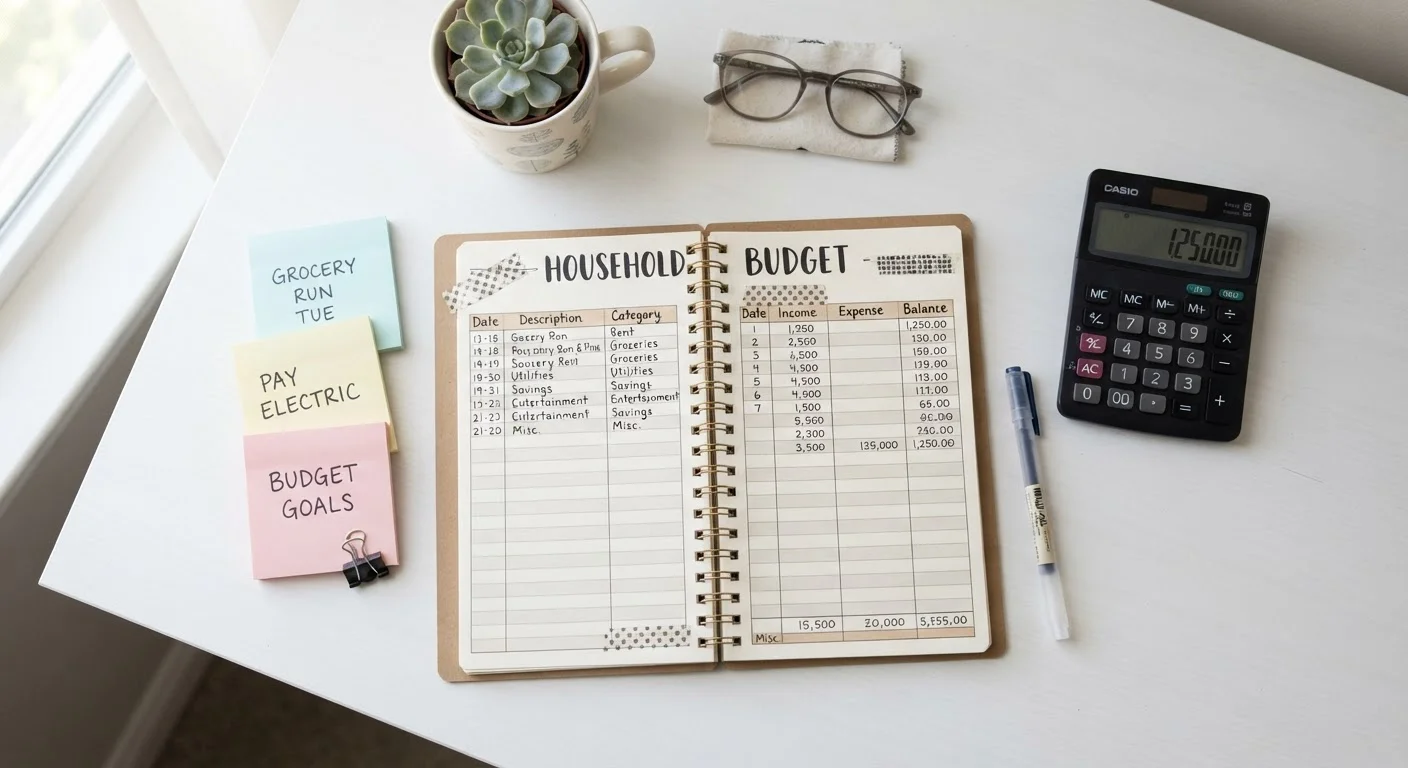
There is no single 'correct' method for tracking expenses. Spreadsheets offer flexibility and privacy; apps that sync to bank accounts reduce manual entry; pen-and-paper logs build awareness through the act of writing. The spending tracker comparison guide outlines the real trade-offs of each approach so you can choose based on your habits, not hype.
This article is for general informational and educational purposes only. It does not constitute personalized financial advice. For guidance tailored to your specific financial situation, consult a qualified financial professional.