How Each Tool Works
Both a personal loan and a balance transfer card are forms of debt consolidation — they combine what you owe into a single, more manageable obligation. But their mechanics differ substantially. For a broader look at how consolidation works in general, see our overview of debt consolidation.
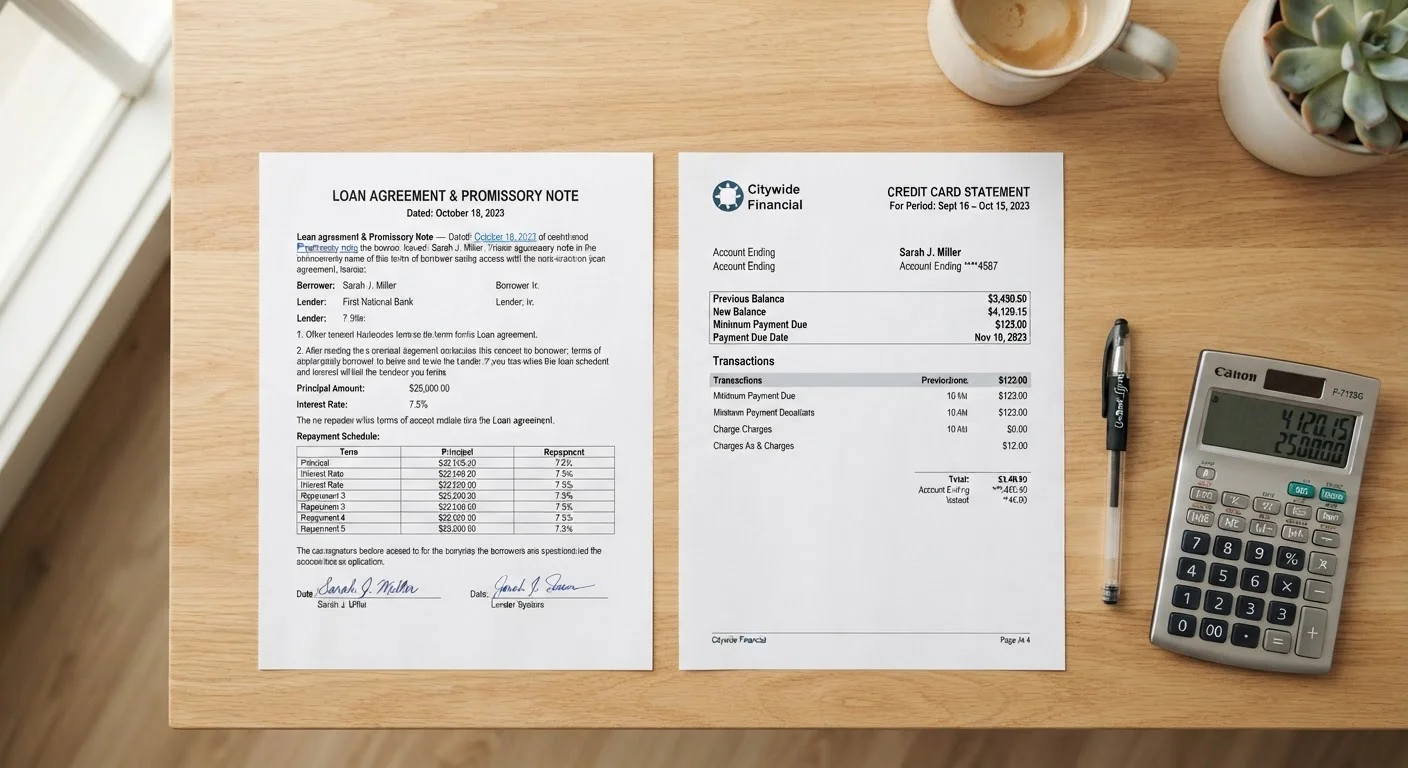
A personal loan is an installment product. You borrow a lump sum, receive the funds, and repay them in equal monthly installments over a fixed term — commonly two to seven years. The interest rate is typically fixed, meaning your payment amount doesn't change throughout the loan. Lenders may charge an origination fee (usually 1%–8% of the loan amount) deducted upfront or rolled into the loan balance.
A balance transfer card is a revolving credit product that lets you move existing high-interest debt onto a new card, often at a 0% promotional annual percentage rate (APR) for a set introductory period. Once the promotional window closes, any remaining balance accrues interest at the card's standard APR, which can be well above 20%. Most cards charge a balance transfer fee — typically 3%–5% of the transferred amount — at the time of the transfer.
| Criterion | Personal Loan | Balance Transfer Card |
|---|---|---|
| Interest rate | Fixed APR (varies by credit) | 0% promo, then standard APR |
| Repayment structure | Fixed monthly installments | Flexible minimum payments |
| Typical fees | Origination fee: 1%–8% | Transfer fee: 3%–5% |
| Repayment timeline | 2–7 years (fixed term) | Promo period: 12–21 months |
| Risk of rate spike | Low — rate is locked in | High if promo period lapses |
| Credit score needed | Good to excellent for best rates | Good to excellent for long promos |
| Impact on credit utilization | Installment debt — lower impact | Revolving credit — affects utilization |
Costs, Risks, and Trade-Offs
Understanding the true cost of each option requires looking beyond the headline rate.
With a personal loan, your total interest paid depends on the rate you qualify for and the length of your term. A longer term lowers your monthly payment but increases total interest paid. Origination fees add to the effective cost, so it's worth calculating the APR — which includes fees — rather than the stated interest rate alone.
With a balance transfer card, the math hinges on one critical variable: whether you pay off the full balance before the promotional period ends. If you do, you may pay only the transfer fee and nothing in interest — a meaningful saving. If you don't, the remaining balance rolls into a high standard APR, potentially erasing earlier gains. Missing a payment can also void the promotional rate on some cards.
Watch for the Revert Rate
When a balance transfer card's promotional period ends, any remaining balance shifts to the card's standard APR — often 24% or higher. This revert rate can quickly undo the savings from the 0% intro period. Before transferring a balance, calculate whether you can realistically pay it off in full before the promotional window closes, factoring in the monthly payment required to do so.
For context on why carrying a revolving balance can be costly over time, our article on carrying a balance vs. paying in full lays out how interest compounds on unpaid credit card debt.
Credit score also plays a role in both paths. Competitive personal loan rates — generally below 15% APR — typically require good to excellent credit (roughly 670 and above on common scoring models). Balance transfer cards with the longest 0% promotional windows tend to have similar credit requirements.
3%–5%
Typical balance transfer fee
Most balance transfer cards charge 3%–5% of the transferred amount as an upfront fee, according to general industry disclosures and consumer finance guidance.
12–21 months
Common 0% APR promotional window
Promotional periods on balance transfer cards generally range from 12 to 21 months, depending on the card and the applicant's creditworthiness.
1%–8%
Personal loan origination fee range
Origination fees on personal loans vary widely by lender and borrower credit profile; some lenders charge no origination fee at all.
Which Approach Fits Your Situation?
The right choice depends on your debt size, timeline, and financial habits. There's no universal answer, but a few guiding questions help clarify the decision.
- How much do you owe? Larger balances — often $10,000 or more — may be harder to pay off within a typical 12–21 month promotional window. A personal loan's extended term may be more realistic.
- How disciplined is your repayment? If you've historically made minimum payments or missed due dates, the structured installment nature of a personal loan removes flexibility that can work against you with a balance transfer card.
- What fees apply? Compare the total cost: origination fees on a loan vs. the transfer fee on a card, plus any interest you project paying in either scenario.
If you're still weighing how to prioritize multiple debts, understanding strategies like the avalanche and snowball methods can help you build a coherent plan. Our comparison of the debt avalanche vs. debt snowball explains how each approach works alongside a consolidation tool.
This article is for general informational purposes only and does not constitute personalized financial, tax, or legal advice. Individual outcomes vary based on creditworthiness, lender terms, and personal financial circumstances. Consult a licensed financial professional before making decisions about debt repayment products.