
How Each Method Works
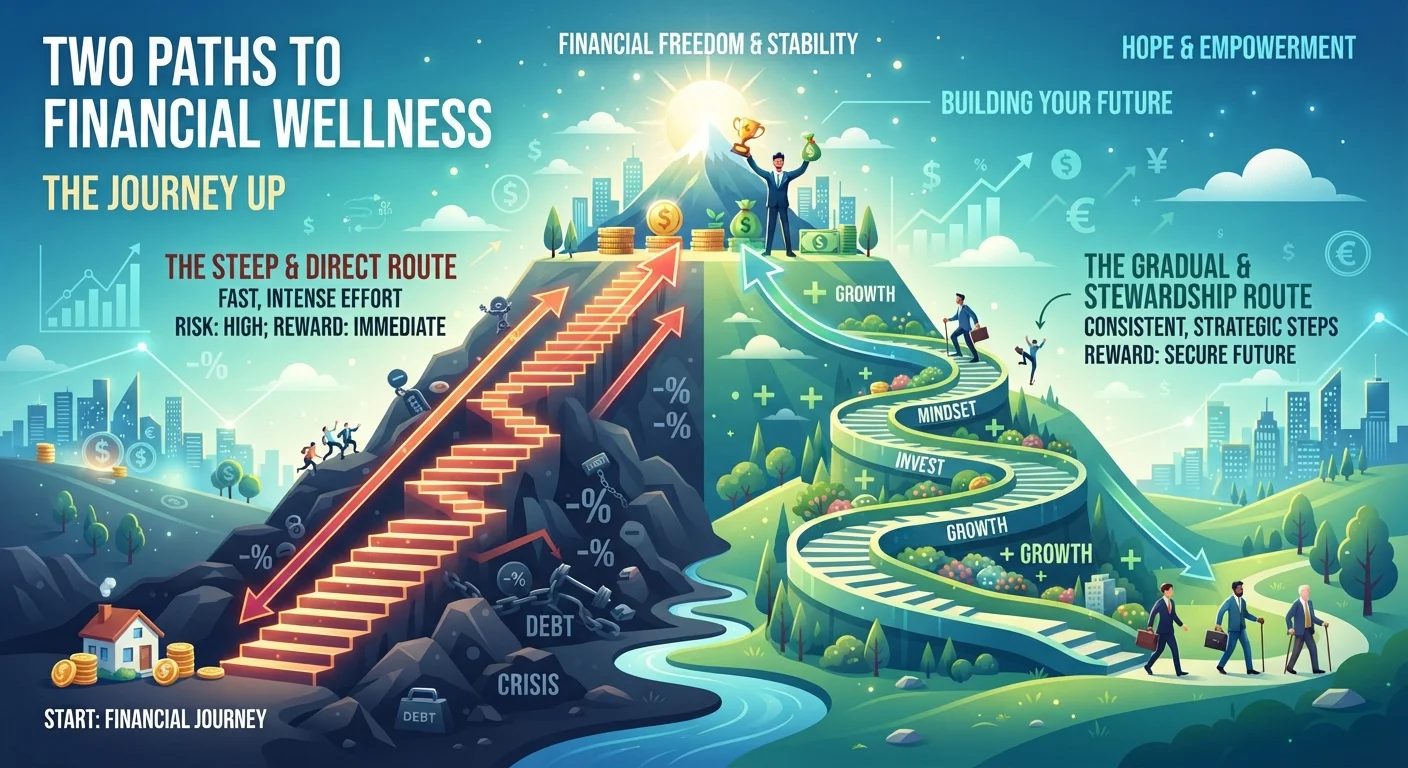
Both the debt avalanche and debt snowball are structured repayment strategies built around one core mechanic: you make minimum payments on all debts, then direct any extra money toward one target debt. Once that debt is eliminated, its payment amount rolls into the next target — creating a growing payment force over time.
Where the two methods differ is in how they rank that target debt.
Debt Avalanche
With the avalanche method, you prioritize the debt carrying the highest annual percentage rate (APR) — the cost of borrowing expressed as a yearly percentage. Once that account is paid off, you move to the next-highest rate, and so on. Because interest compounds on outstanding balances, eliminating the most expensive debt first reduces the overall cost of repayment.
Debt Snowball
With the snowball method, you prioritize the debt with the smallest outstanding balance, regardless of its interest rate. Clearing small balances quickly creates a series of early wins. Those wins are designed to reinforce the habit of repayment and keep motivation high across what can be a long journey.
For a deeper look at how these strategies play out in real scenarios, see our full comparison guide on choosing the right payoff strategy for your life.
| Criterion | Debt Avalanche | Debt Snowball |
|---|---|---|
| Priority order | Highest interest rate first | Smallest balance first |
| Total interest paid | Generally lower | Generally higher |
| Time to first payoff | Potentially longer | Typically faster |
| Psychological motivation | Slower early wins | Frequent early wins |
| Best when | One debt has a much higher rate | You need momentum to stay on track |
| Mathematical efficiency | Higher | Lower, but often sufficient |
The Trade-Offs: Cost vs. Motivation
The central tension between these two methods is financial efficiency versus behavioral sustainability.
Research in behavioral economics consistently shows that visible progress — even incremental — plays a significant role in whether people maintain financial habits. The snowball method is designed around this insight: by eliminating accounts entirely, you reduce the number of creditors you owe and experience a concrete sense of advancement. For many borrowers, that psychological fuel is what keeps them from abandoning the plan when motivation dips.
The avalanche method, by contrast, may feel slower at first. If your highest-rate debt is also your largest balance, it could take months or longer before you see an account close. However, the long-term payoff is measurable: less money lost to interest means more of your payments actually reduce principal.
~$1,000+
Potential interest saved with avalanche method
Illustrative estimates from personal finance modeling suggest borrowers with multiple debts can save hundreds to thousands of dollars by prioritizing high-rate accounts first, depending on balances and rates.
77%
Americans carrying some form of debt
According to Federal Reserve survey data, a large majority of U.S. households carry debt in some form, underscoring the broad relevance of structured repayment strategies.
Neither approach is universally superior. If you find yourself abandoning a mathematically optimal plan after two months, the savings it promised are moot. Honest self-assessment of your financial habits is a valid input when choosing between these strategies. You may also want to explore whether debt consolidation is an appropriate complement to either approach, particularly if managing multiple accounts feels unmanageable.
Putting a Strategy Into Practice
Regardless of which method you choose, the mechanics of execution are similar:
- List all debts with their current balances, minimum payments, and interest rates.
- Order them by your chosen priority — highest rate first (avalanche) or smallest balance first (snowball).
- Identify extra funds — even a modest amount redirected each month from discretionary spending can meaningfully accelerate repayment. The budgeting basics hub offers practical frameworks for finding that room.
- Stay consistent — when a debt closes, immediately apply its freed-up payment to the next target rather than absorbing it into spending.
It is also worth weighing debt repayment against other financial priorities. If your employer offers a retirement match, for example, contributing enough to capture that match may make financial sense even while carrying debt. The decision isn't always binary. See saving vs. paying off debt for a clear breakdown of those trade-offs.
When Neither Method Feels Like a Fit
Some borrowers find that managing many separate accounts is itself a barrier to progress. In those cases, tools like balance transfer cards or personal loans may simplify repayment by consolidating multiple balances. See personal loan vs. balance transfer card for an educational look at how those options compare. Any consolidation decision should be evaluated carefully with attention to fees, terms, and your overall financial situation.
This article is for general informational and educational purposes only and does not constitute personalized financial or legal advice. Consult a qualified financial professional for guidance specific to your circumstances.