Why Cats Are Particularly Vulnerable to Stress
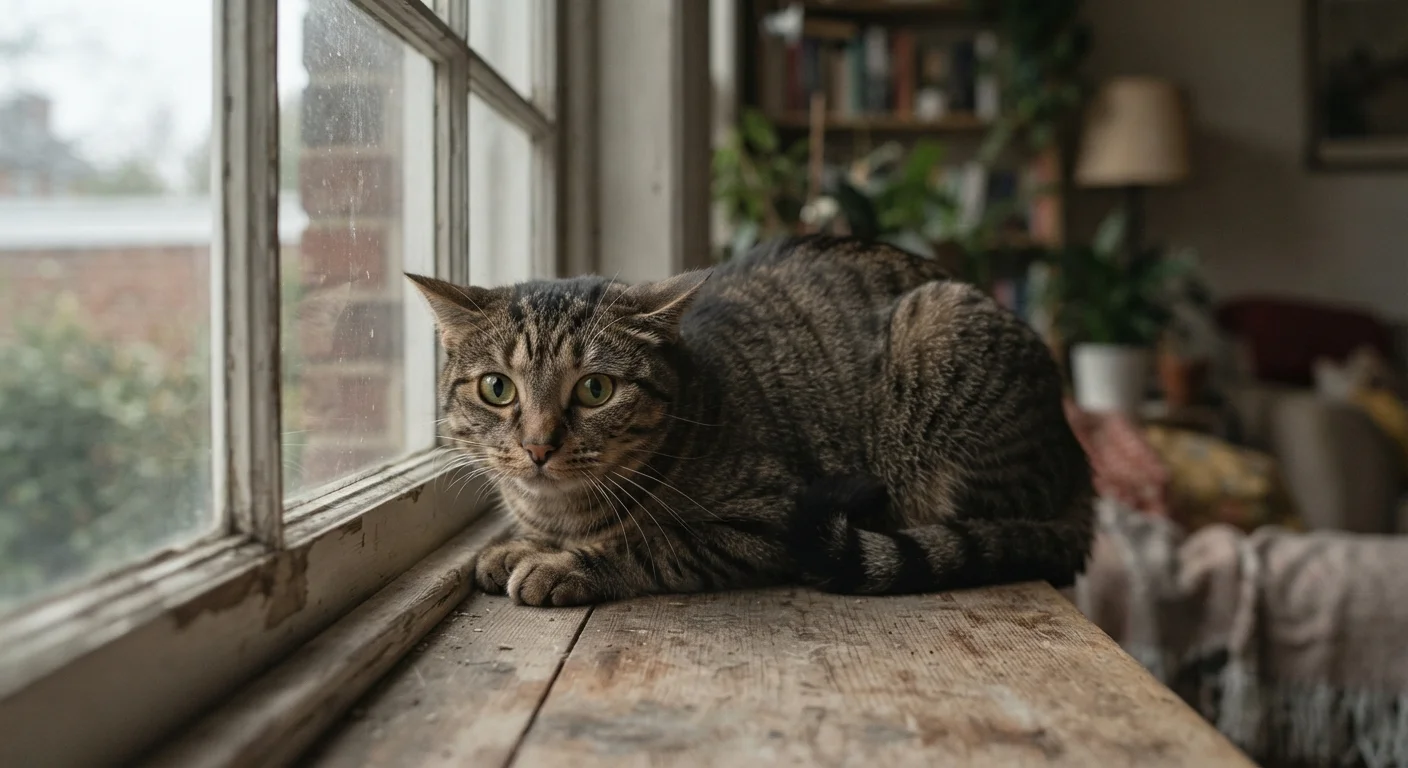
Cats are often described as independent, but that label masks how sensitive they actually are to their environment. As both predator and prey in the wild, cats evolved to be highly alert to change — a survival trait that, in a domestic setting, can translate into chronic hypervigilance.
Unlike dogs, which are social animals wired to seek reassurance from group members, cats are fundamentally solitary hunters. They manage threats by controlling territory and routine rather than by relying on companions. This means that anything disrupting their sense of environmental predictability — whether a new smell, an unfamiliar visitor, or a rearranged piece of furniture — can register as a genuine threat.
Stress in cats is also frequently misread. A stressed cat may be labeled as aloof, spiteful, or difficult when it is actually expressing anxiety through the limited behavioral vocabulary available to it. Understanding that framing shift is the first step toward addressing the real cause. You can learn more about how cats communicate through body language to better distinguish normal feline reserve from genuine distress.
Stress and Medical Illness Often Overlap
Many stress signs in cats — vomiting, elimination problems, appetite changes — are identical to symptoms of underlying medical conditions. Stress and illness can also occur together. Veterinarians recommend ruling out physical causes before attributing behavior changes solely to anxiety, so a professional evaluation is always the appropriate first step.
The Most Common Stress Triggers in Domestic Cats
Veterinary behaviorists have identified a consistent set of environmental and social factors that drive stress in cats. These include:
- Household changes: Moving to a new home, renovations, or even rearranging furniture disrupts a cat's established territorial map.
- New animals or people: Introducing a new pet — particularly another cat — is one of the most potent stressors, as it directly challenges territory and social hierarchy.
- Unpredictable routines: Cats thrive on consistency. Irregular feeding times, erratic owner schedules, and sudden changes in household rhythm all erode the sense of safety cats depend on. A predictable daily structure is one of the most effective tools for reducing baseline anxiety.
- Noise and sensory overload: Loud appliances, construction sounds, parties, or fireworks create acute stress. Cats cannot contextualize these sounds as non-threatening the way humans can.
- Veterinary visits and travel: Car movement, unfamiliar smells, handling by strangers, and confinement in a carrier combine to produce significant short-term stress.
- Multi-cat conflict: Resource competition — over litter boxes, feeding stations, or resting spots — generates chronic low-level tension even when no obvious fighting occurs.
~80%
Of feline idiopathic cystitis cases linked to stress
Veterinary literature estimates the majority of feline idiopathic cystitis cases — bladder inflammation with no identifiable infection — are associated with environmental or psychosocial stress.
1 in 5
Multi-cat homes with reported inter-cat conflict
Studies cited in veterinary behavior literature suggest significant inter-cat tension is present in a substantial proportion of multi-cat households, often without overt fighting that owners recognize.
How Stress Shows Up Behaviorally and Physically
Cats rarely vocalize distress the way dogs might. Instead, stress tends to surface through behavioral and physical changes that owners may not immediately connect to anxiety:
- Elimination outside the litter box — one of the most commonly reported stress behaviors and also a symptom of urinary disease, making veterinary evaluation essential
- Overgrooming or undergrooming — excessive licking, sometimes to the point of bald patches, or a suddenly unkempt coat
- Increased hiding or social withdrawal
- Aggression toward people or other pets that is new or escalating
- Reduced appetite
- Excessive vocalization, particularly at night
Physical symptoms can include repeated bouts of vomiting, diarrhea, or urinary signs with no infectious cause. These presentations often point to chronic stress as an underlying factor. Because many of these signs overlap with medical illness, a veterinarian should always be consulted before attributing them to stress alone. For a closer look at how cats mask discomfort, see our guide on subtle signs a cat may be in pain.
Keep a Simple Stress Log
When symptoms appear, note the time, what was happening in the household, and which cat was affected. Even two weeks of notes can help a veterinarian identify patterns that are invisible in a single exam. This is especially useful before a scheduled vet visit following behavioral changes.
What Owners Can Do to Reduce Feline Stress
Management starts with identifying the specific trigger. A stress journal — noting when symptoms occur, what changed beforehand, and which cats are involved — can be a useful diagnostic tool to share with a veterinarian or behaviorist.
General strategies that veterinary guidance consistently supports include:
- Increase environmental complexity. Vertical space (cat trees, shelving), hiding spots, and window perches give cats more control over their territory and reduce conflict in multi-cat homes.
- Ensure adequate resources. The standard recommendation is one litter box per cat plus one extra, placed in separate locations. The same principle applies to food and water stations.
- Minimize sudden change. Gradual introductions — whether of a new pet, a new food, or a new room — allow cats to habituate rather than react defensively.
- Maintain routine. Consistent feeding and play schedules signal safety and predictability.
For cats whose stress does not respond to environmental management alone, a veterinarian may discuss additional options including behavioral modification techniques or, in some cases, pharmaceutical support. This is a clinical decision made on an individual basis — not something owners should pursue without professional guidance.
This article is for general informational purposes only and is not a substitute for professional veterinary advice. If your cat is showing signs of stress or illness, please consult a licensed veterinarian.