What's Actually Different Between the Two Formats
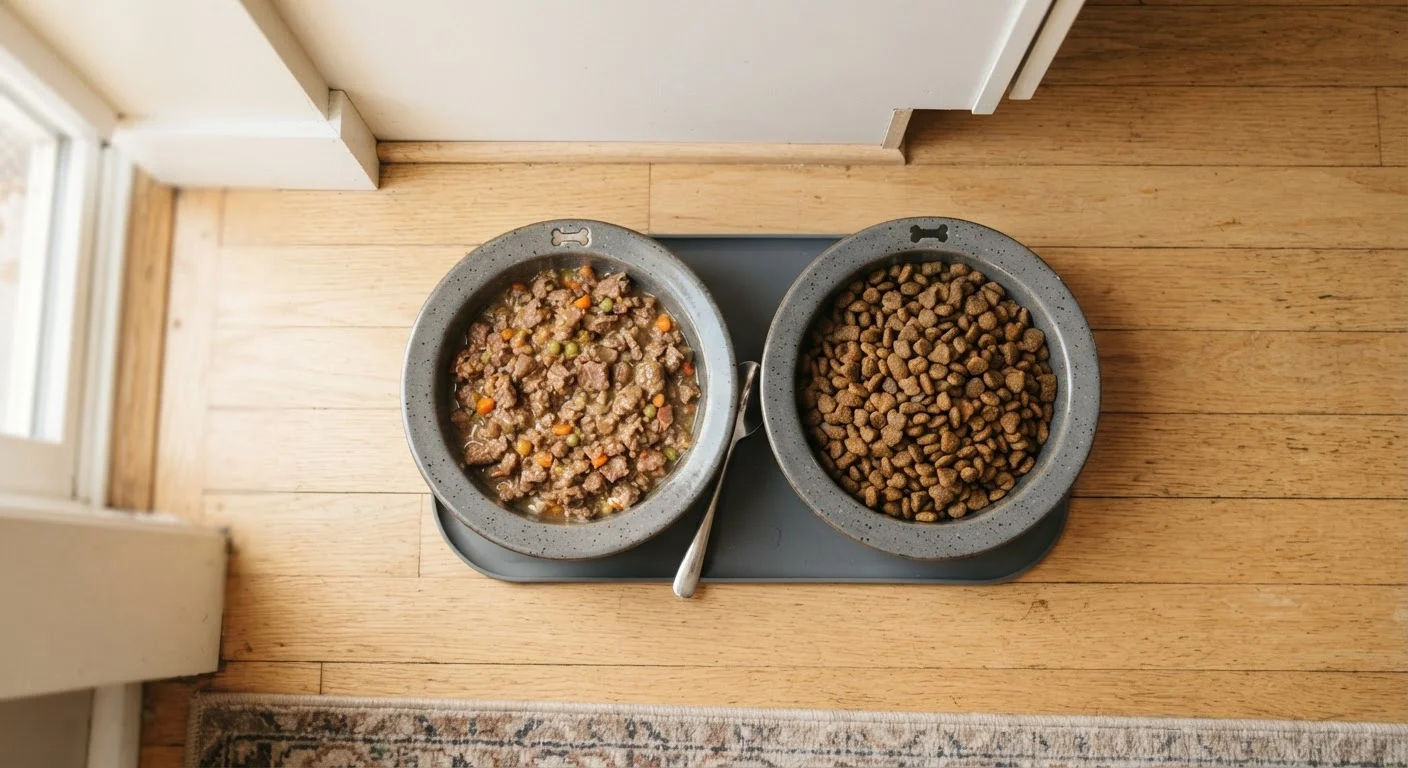
Wet and dry dog foods start from the same basic nutritional building blocks — proteins, fats, carbohydrates, vitamins, and minerals — but how they're processed and packaged creates meaningful differences in moisture content, caloric density, and texture.
Wet food is cooked at high heat and sealed in cans or pouches, retaining roughly 70–80% moisture. That water content dilutes calorie density, so dogs often eat larger volumes for equivalent energy. Dry kibble is extruded and baked down to about 10% moisture, concentrating calories into a smaller, shelf-stable form.
Both formats can be nutritionally complete. Look for a statement from the Association of American Feed Control Officials (AAFCO) on the label — it confirms the food meets established nutrient profiles for your dog's life stage. Format alone doesn't determine quality; ingredient composition and manufacturing standards matter equally.
| Criterion | Wet Dog Food | Dry Kibble |
|---|---|---|
| Moisture content | 70–80% | ~10% |
| Caloric density | Lower per gram | Higher per gram |
| Typical cost | Higher per serving | Lower per serving |
| Storage after opening | Refrigerate, use within 1–2 days | Sealed container, weeks |
| Palatability | Generally higher aroma/appeal | Varies by recipe |
| Dental texture benefit | Minimal | Modest abrasive action |
| Best texture for seniors | Easier to chew | Can be difficult with dental pain |
| Works in auto feeders | No | Yes |
Hydration, Digestion, and Health Conditions
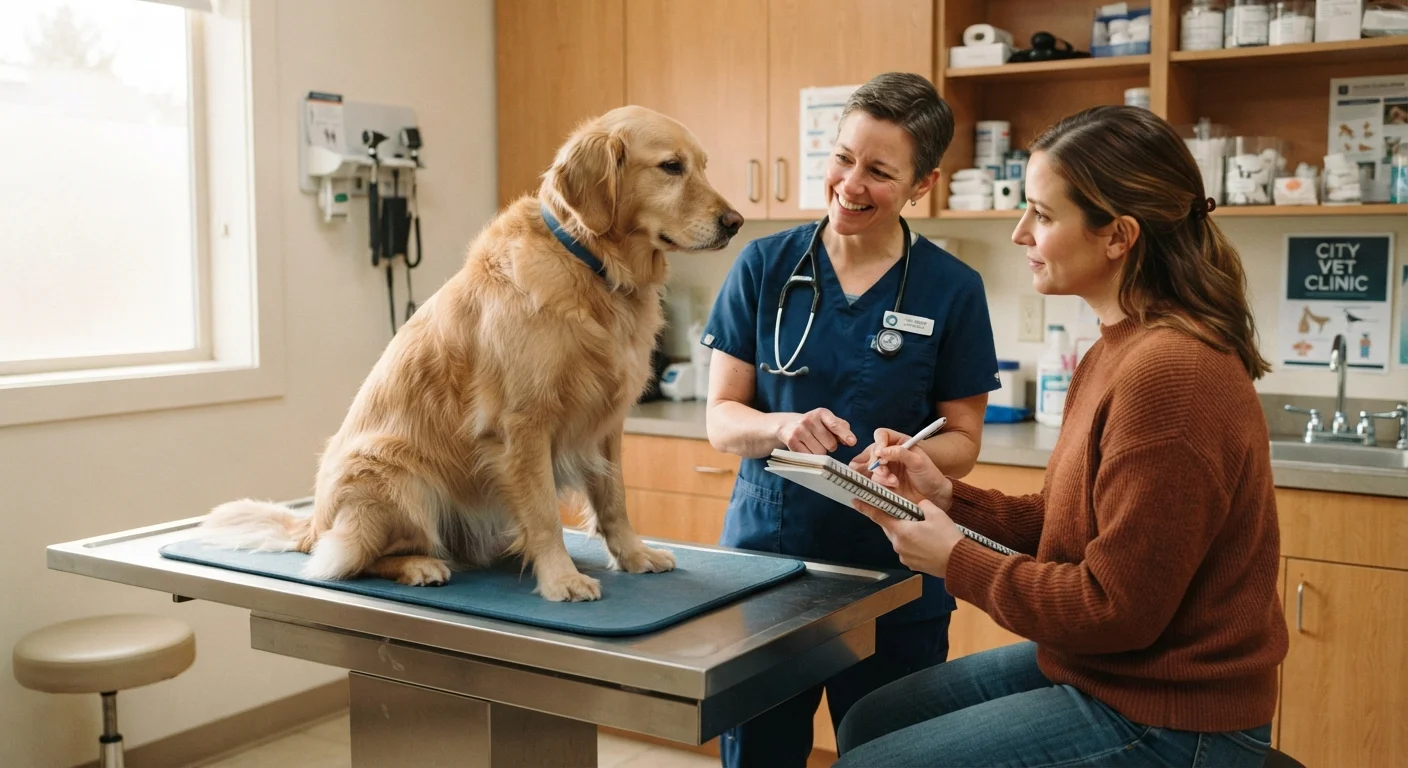
Dogs obtain water from both drinking and food. For dogs prone to urinary tract issues, kidney disease, or those who simply don't drink enough, wet food's high moisture content provides meaningful support. Veterinarians frequently recommend wet or mixed diets for dogs managing conditions where fluid intake is a factor.
Digestibility can vary more by recipe and protein source than by format. However, some dogs with sensitive stomachs respond better to one format over the other — this is individual and worth noting if your dog experiences loose stools or gas after a diet change.
For dogs with dental disease causing mouth pain, wet food's soft texture removes a barrier to eating. Conversely, dog dental health research suggests that dry kibble's abrasive surface may reduce plaque accumulation modestly — though this effect is limited and no substitute for brushing or professional cleanings.
Wet Food Doesn't Replace a Water Bowl
While wet food contributes meaningful moisture to a dog's diet, it doesn't eliminate the need for fresh water. Dogs should always have unrestricted access to clean water regardless of diet format. If your dog seems to be drinking significantly more or less than usual, that's worth mentioning to your veterinarian, as changes in thirst can signal underlying health issues.
Cost, Convenience, and Everyday Practicality
On a per-calorie basis, wet food typically costs two to four times more than dry kibble. For large-breed dogs with high caloric needs, that difference compounds quickly. Wet food also requires refrigeration after opening and should be used within a day or two, making it less practical for owners who portion meals in advance.
Dry kibble can be stored in a sealed container for weeks, works in timed feeders, and travels easily. For multi-dog households or owners managing tight schedules, kibble's convenience is a genuine practical advantage.
A common middle-ground approach is mixed feeding — using dry kibble as the base and adding a small amount of wet food for palatability, variety, or hydration support. If you do this, calculate combined caloric intake carefully to avoid unintentional overfeeding. Your veterinarian can help you work out appropriate portions.
For a broader look at all food formats including raw diets, see how to think about your dog's diet across formats.
70–80%
Moisture in wet dog food
Compared to roughly 10% in dry kibble, this difference significantly affects how much water a dog gets from their food each day.
2–4×
Cost difference per calorie
Wet food generally costs two to four times more per calorie than dry kibble, a gap that grows noticeably for larger or more active breeds.
80%
Dogs with dental disease by age 3
According to veterinary estimates, the majority of dogs show signs of periodontal disease by age three, underscoring why food format alone isn't sufficient for dental care.