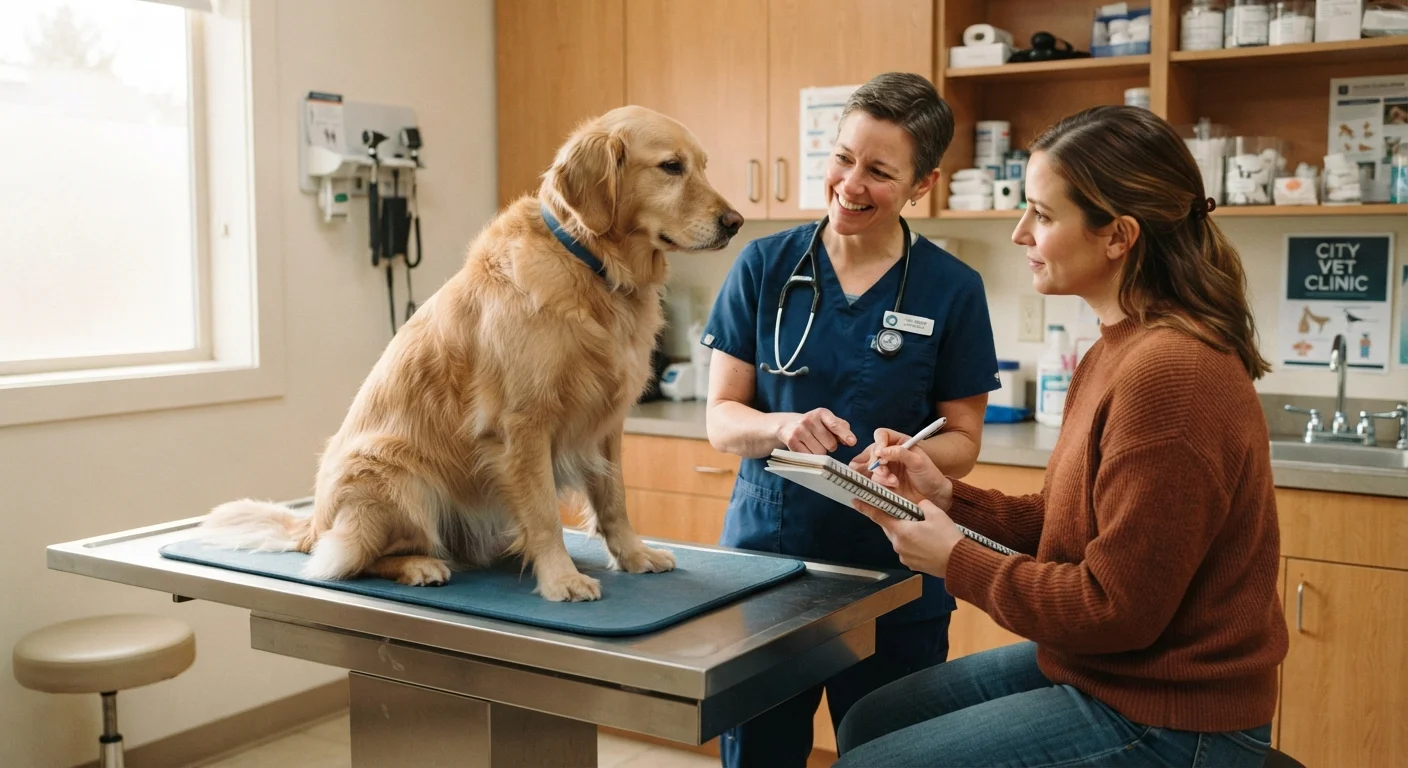

Why a Readiness Checklist Matters for Small Pets
Rabbits, guinea pigs, hamsters, gerbils, chinchillas, rats, and other small animals are often assumed to be low-maintenance pets. In reality, their care requirements are specific, and gaps in preparation are one of the most common reasons these animals end up rehomed or stressed within the first few weeks. Working through a checklist before your new pet arrives — not after — gives you the chance to identify and close those gaps calmly.
This checklist covers five core readiness areas: research and species knowledge, habitat setup, nutrition and supplies, veterinary access, and daily lifestyle fit. For a complementary look at making your physical space safer, see our room-by-room pet safety checklist before your pet's arrival day.
Research and Species Knowledge
Habitat Setup
Nutrition and Supplies
Veterinary Access
Daily Lifestyle Fit
Tools and Supplies You'll Need
Before working through the checklist, make sure you have the core supplies on hand or on order. Needs vary by species, so confirm specifics with a knowledgeable source — such as a small-animal veterinarian or a reputable species-specific care guide — before purchasing.
Appropriately Sized Enclosure
Provides your pet with adequate space to move, hide, and express natural behaviors.
Species-Appropriate Bedding
Supports burrowing instincts, absorbs waste, and helps regulate comfort inside the habitat.
Water Bottle or Bowl
Delivers clean, fresh water consistently; bottle style depends on species preference.
Staple Food Supply
Ensures your pet's primary dietary needs are met from day one without an emergency store run.
Enrichment Items
Tunnels, chew toys, and climbing structures prevent boredom and support physical and mental health.
Hideaway or Shelter
Gives your pet a secure retreat, which is critical for reducing stress during the adjustment period.
Small-Animal Transport Carrier
Required for safe travel to and from veterinary appointments.
Thermometer
Helps you monitor ambient temperature near the habitat, especially important for temperature-sensitive species.
Proper handling technique matters just as much as the right equipment. Once your pet is home and settled, review evidence-based approaches with our guide on handling small pets without causing stress.
What to Do If You're Not Quite Ready
If you work through this checklist and find several unchecked boxes, treat that as useful information rather than a setback. Pause the timeline rather than rushing. A week or two of additional preparation nearly always leads to a better outcome for the animal and the owner alike.
Don't Skip the Vet Search Before Arrival
Many first-time small-pet owners assume they can find a vet after the animal arrives. In some areas, exotic and small-animal veterinarians have limited availability and may have waiting lists for new patients. Searching and booking in advance means you won't be scrambling during a potential health concern in those first critical weeks.
Impulse Decisions Lead to Unprepared Homes
Small animals are frequently purchased impulsively — at a fair, a pet expo, or a holiday — without any prior preparation. Animals arriving into unprepared homes face higher stress, inappropriate housing, and delayed veterinary care. If you haven't completed the steps on this checklist, a brief delay is genuinely in the animal's best interest.
Financial readiness is a practical dimension worth thinking through honestly. Small pets carry ongoing costs — food, bedding, routine and emergency veterinary care, habitat upgrades as animals grow — that accumulate over a lifespan that may span several years. This is general information, not financial advice; for help thinking through major life expenses, a financial adviser can offer personalized guidance.
This article is for general informational and educational purposes only. It is not a substitute for veterinary advice. Always consult a licensed veterinarian familiar with your species of interest for guidance specific to your pet's health and care needs.