Why Handling Technique Matters More Than You Think
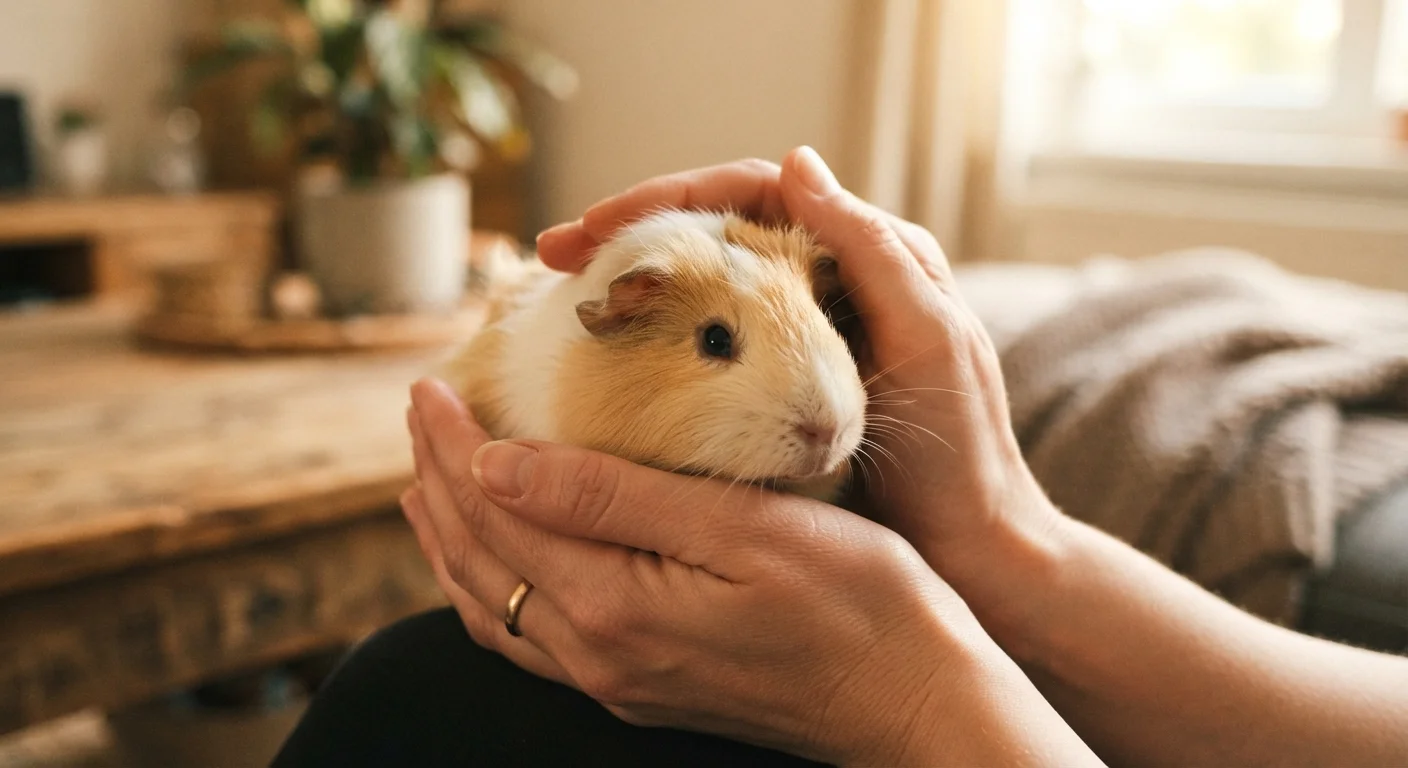
Small pets — rabbits, guinea pigs, hamsters, gerbils, rats, and birds — have nervous systems wired for prey-animal survival. Being scooped up unexpectedly mimics a predator strike, triggering a genuine fear response regardless of how tame your pet may be. Chronic mishandling doesn't just cause momentary distress; it can create lasting behavioral changes including biting, hiding, or chronic stress-related illness.
The good news is that deliberate, consistent technique dramatically changes how a small animal experiences human contact. You don't need specialized training — just an understanding of what each species needs and the patience to apply it. Before you even focus on handling, make sure your pet's space is set up correctly. Our room-by-room safety checklist covers the environmental basics that reduce baseline stress.
Quick Wins You Can Apply Today
Even experienced owners often overlook simple adjustments that make a real difference. These actions require no special equipment — just intention and consistency.
Reading Stress Signals and Knowing When to Stop
Handling should always be a two-way interaction. Watching your pet's body language tells you whether a session is going well or needs to end. Common stress signals include:
- Freezing or tonic immobility — the animal goes rigid; this is a fear response, not relaxation
- Tooth chattering or hissing — common in guinea pigs and hamsters; means discomfort
- Lunging or biting — the last resort signal that earlier cues were missed
- Rapid, shallow breathing — a sign of acute fear in most small species
- Persistent attempts to escape — signals the animal does not feel secure
If you observe any of these, calmly return the animal to its enclosure. Ending the session before the animal escalates reinforces that it has some control — which actually builds trust faster than pushing through.
When in Doubt, Put the Animal Down
If you're unsure whether your pet is stressed, err on the side of ending the session. A two-minute calm interaction builds more trust than a ten-minute session that ends in biting or escape attempts. Over time, reading your individual animal's signals becomes intuitive — but in the early stages, shorter is almost always better.
Stress-handling overlap exists across species lines. If you're curious how fear responses work in other household animals, our piece on how cats experience stress provides useful parallel context on reading anxiety signals.
Building a Routine That Supports Long-Term Comfort
Consistency is the foundation of a comfortable small pet. Animals that are handled at predictable times, in predictable ways, habituate much faster than those subjected to unpredictable or infrequent contact. Aim for short daily sessions rather than long, irregular ones.
Pair handling with positive experiences: gentle voice, a small appropriate treat offered before or after, and a calm environment free of loud sounds or other animals. Over weeks, many small pets will approach voluntarily — a strong signal that their baseline anxiety around humans has genuinely decreased.
Once your pet is comfortable being held, consider layering in enrichment activities that reinforce positive engagement. Our enrichment ideas for small pets covers species-appropriate mental stimulation that complements your handling routine.
This article provides general educational information for pet owners and is not a substitute for guidance from a qualified veterinarian. If your pet shows persistent signs of fear, injury, or behavioral change, consult a vet or certified animal behaviorist.