Where the Concept Came From — and What It Really Means
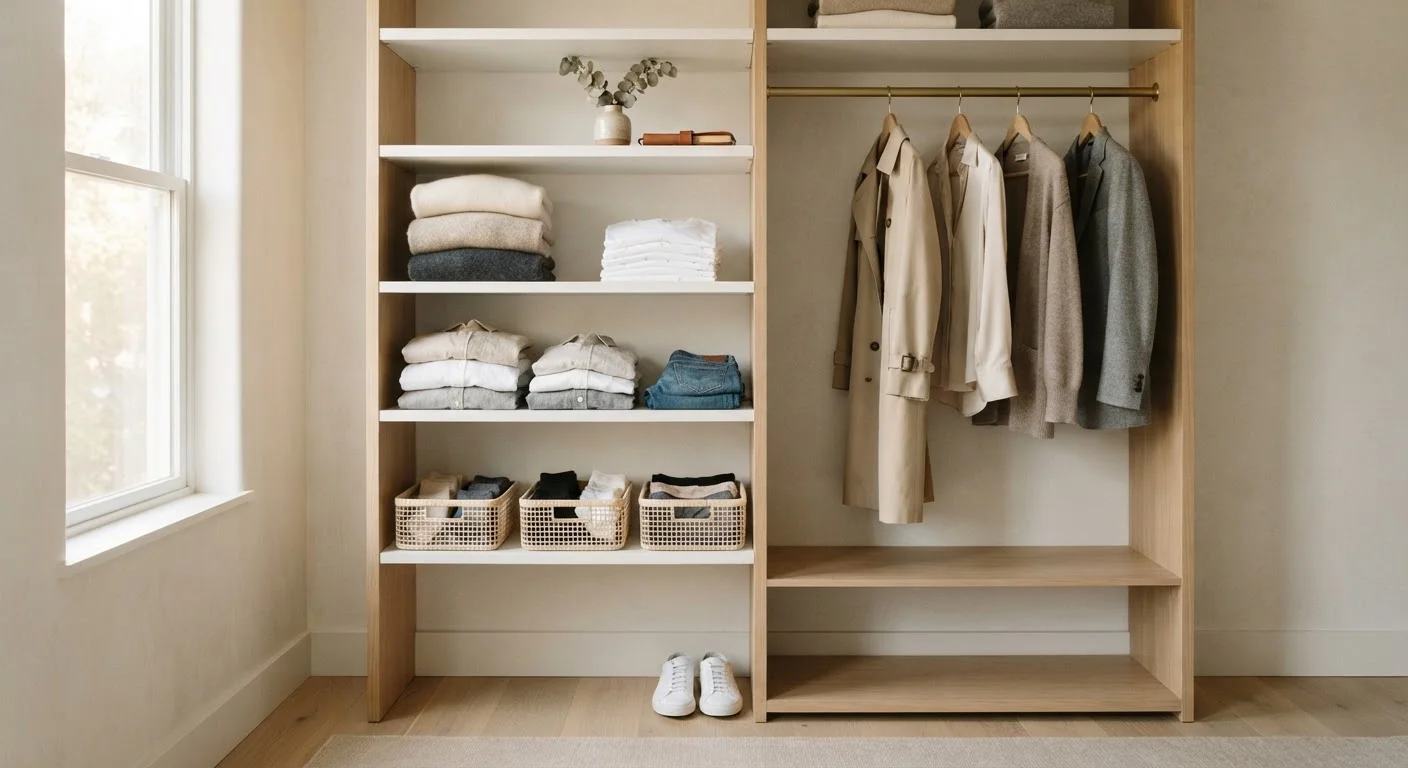
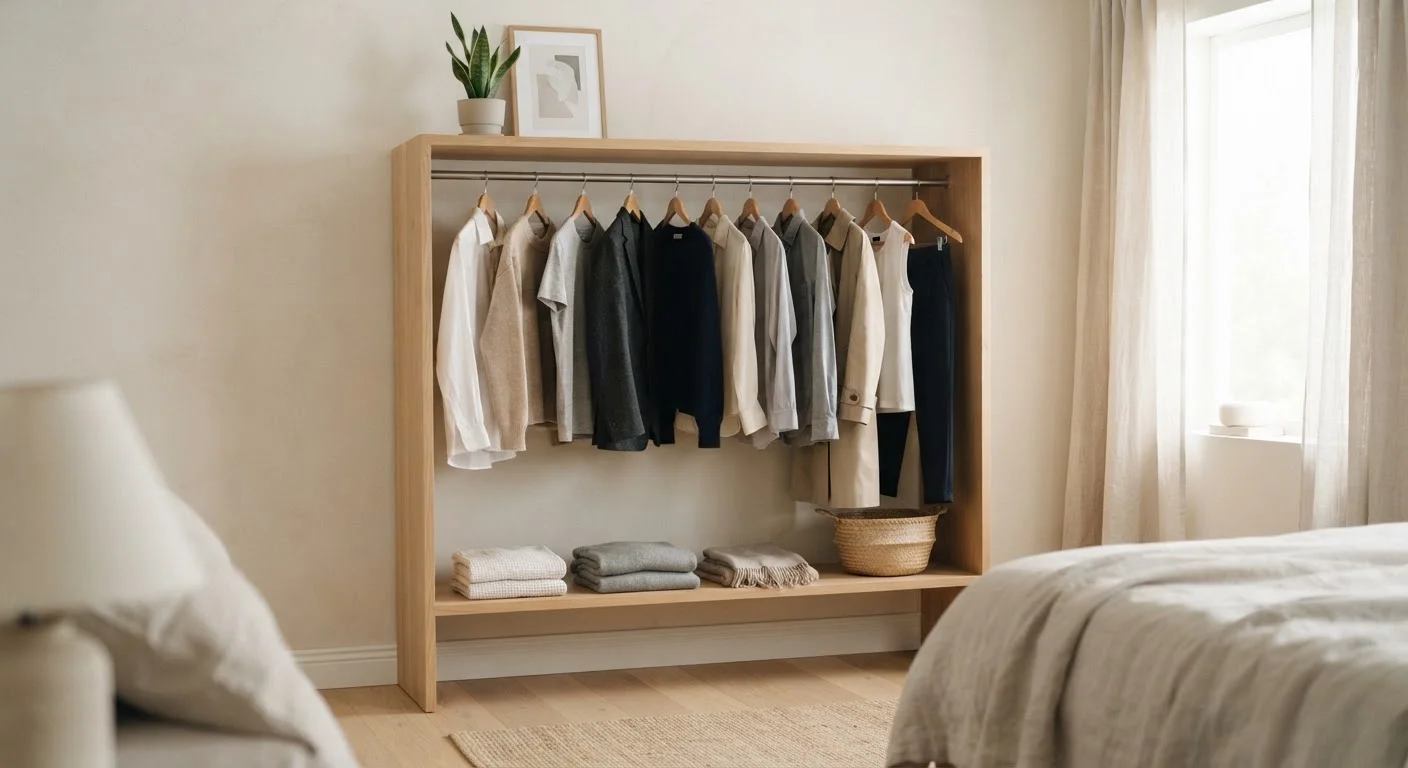
The capsule wardrobe idea has been around for decades, but social media gave it a second life. Today it gets applied to everything from ultra-minimalist 10-piece collections to thoughtfully edited 50-piece seasonal rotations. Strip away the aesthetic branding, though, and the core idea is simple: own only what you wear, and make sure it all works together.
That last part — interoperability — is what separates a capsule from just having a small wardrobe. The pieces should create multiple outfit combinations without requiring additions. A well-functioning capsule means fewer mornings staring at a full closet feeling like you have nothing to wear. (If that frustration sounds familiar, our article on getting dressed when your closet feels useless addresses exactly that cycle.)
No Universal Item Count Exists
You'll see capsule wardrobes described as '10 pieces,' '33 items,' or '50 essentials' depending on the source. None of these numbers is authoritative. The most useful count is whichever lets you dress comfortably for your life without feeling hemmed in — and that varies significantly from person to person.
Does It Actually Work? Honest Pros and Cons
The capsule wardrobe has real benefits — and real limitations. Here's a straightforward breakdown:
- Reduces decision fatigue: Fewer choices genuinely make mornings faster. Research on cognitive load consistently supports the idea that simpler decisions preserve mental energy for more important tasks.
- Encourages intentional spending: When you buy only what fits an existing system, impulse purchases drop. That said, this requires ongoing discipline, not a one-time edit.
- Works best for consistent lifestyles: If your daily routine is relatively predictable — office work, weekend errands, occasional events — a capsule maps onto your life cleanly. Highly varied schedules (frequent travel, multiple dress codes, seasonal outdoor work) can make a single capsule feel constraining.
- Doesn't suit every personal style: If experimenting with fashion and trends brings you joy, a strict capsule may feel limiting rather than freeing. That's a valid reason not to adopt it fully.
~30%
Clothing items worn regularly by average owner
Research cited by the fashion sustainability organization Remake suggests most people regularly wear only around 30% of what they own.
25–50
Typical capsule wardrobe piece count per season
This range appears across multiple wardrobe styling guides and minimalism resources, though no single standard exists.
The honest answer is: it works for many people, partially works for others, and doesn't suit everyone. Treating it as a flexible framework rather than a rigid system dramatically improves success rates.
Building One That Fits Your Actual Life
The most common mistake is building a capsule wardrobe for an aspirational version of your life — linen blazers for the office meetings you don't have, evening wear for dinners that rarely happen. A useful capsule reflects the week you actually live.
Start by tracking what you wear for two weeks without changing your behavior. The items you reach for repeatedly are your capsule's natural foundation. From there, identify genuine gaps — not trend-driven wants, but functional needs.
Track Before You Edit
Before pulling anything out of your closet, spend one to two weeks noting what you actually reach for each day. This simple habit reveals your real wardrobe — not the one you imagine you have — and makes your eventual capsule far more accurate to your life.
Versatile pieces that cross dress codes are the backbone of any effective capsule. Our guide to wardrobe staples that work across multiple occasions goes deeper on what makes a piece genuinely earn closet space.
Once you're ready to rotate seasonally without losing track of what you own, the seasonal wardrobe transition checklist can help you keep the system running smoothly year-round.