Why the Trend Question Is Worth Asking
Trends move fast. Something blows up on social media on Monday, floods every storefront by Friday, and starts feeling dated six months later. For everyday Americans trying to dress confidently without draining their wallets, this cycle can feel exhausting — and expensive.
But dismissing trends entirely isn't the answer either. Some genuinely introduce silhouettes, colors, or styling ideas that work beautifully for years. The skill isn't avoiding trends — it's evaluating them with a clear head instead of a reactive one. For a broader look at how outfit repetition can actually be a strength, check out The Outfit Repeater's Guide to Looking Intentional Every Time.
The Framework: How to Evaluate Any Trend
Before adding anything trend-driven to your wardrobe, run it through these five practices. They take two minutes and can save you real money and real regret.
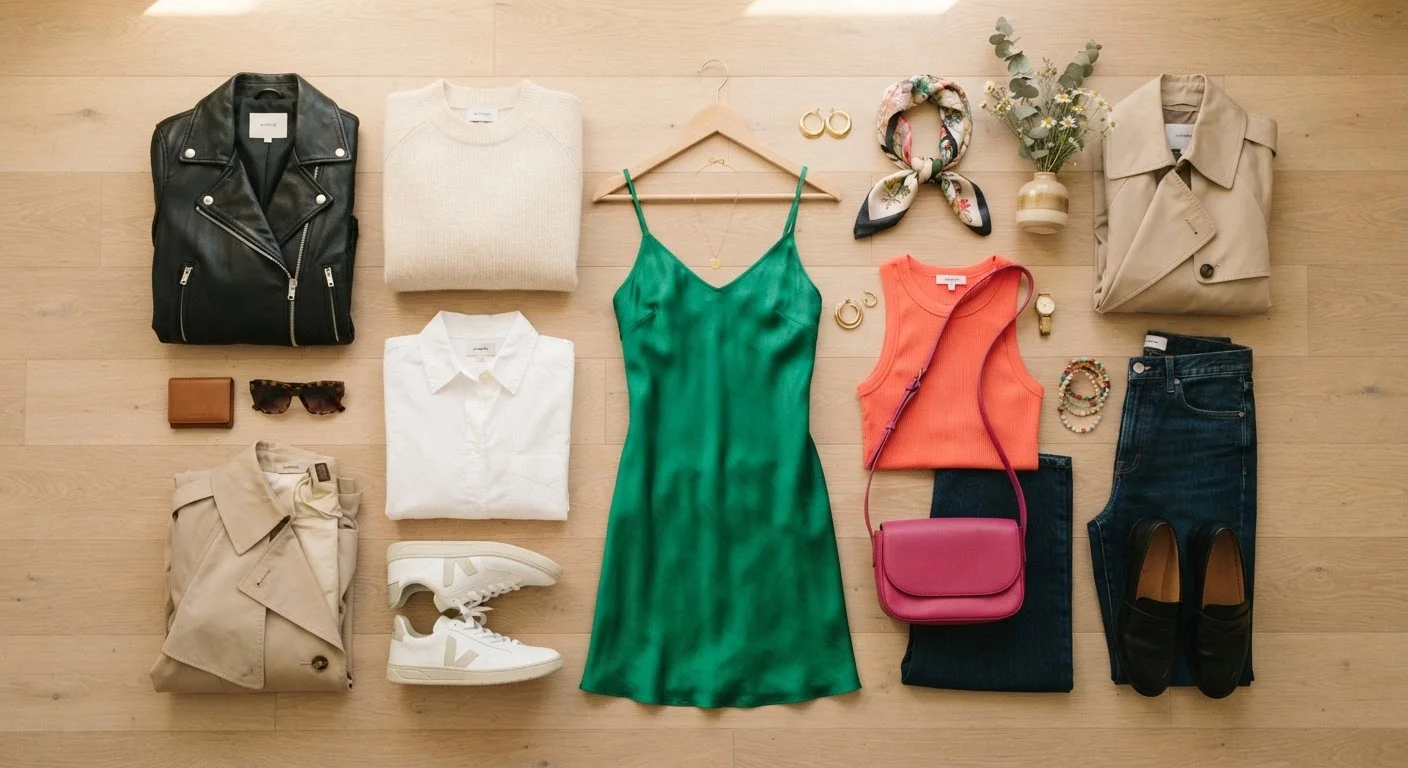
Ask whether the trend works with at least three things you already own
A trend that requires an entirely new outfit ecosystem around it will cost far more than it appears. Wardrobe compatibility is the single most reliable predictor of whether a piece gets worn regularly or pushed to the back of the closet.
Test with a low-commitment entry point before going all in
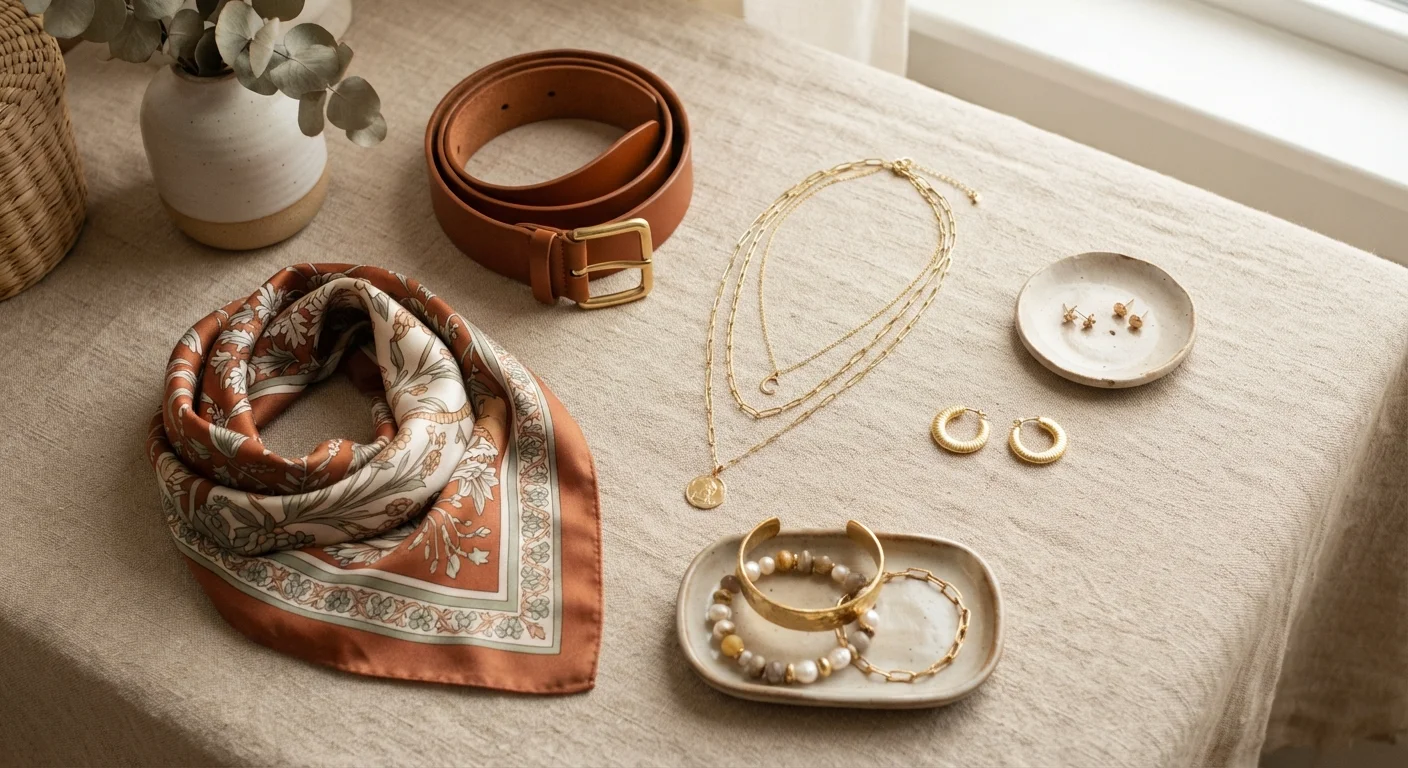
Accessories and single accent pieces let you experiment with a trend's aesthetic without a major financial commitment. If you love how it feels after a few wears, you can invest further with confidence.
Evaluate cost-per-wear, not just sticker price
A modestly priced trend piece worn twice is more expensive in practical terms than a pricier classic worn forty times. Thinking in cost-per-wear shifts the frame from upfront spend to actual value delivered.
Check whether the trend translates across real body diversity
Trends that only appear wearable on a very narrow body type in editorial images are often poorly designed for real wear. Trends with genuine longevity tend to have styling variations that work across different proportions and sizes.
Distinguish between a micro-trend and a style direction
Micro-trends spike and fade within months — they're often driven by a single viral moment. Style directions, by contrast, reflect a broader shift in how people are dressing and tend to evolve over several seasons.
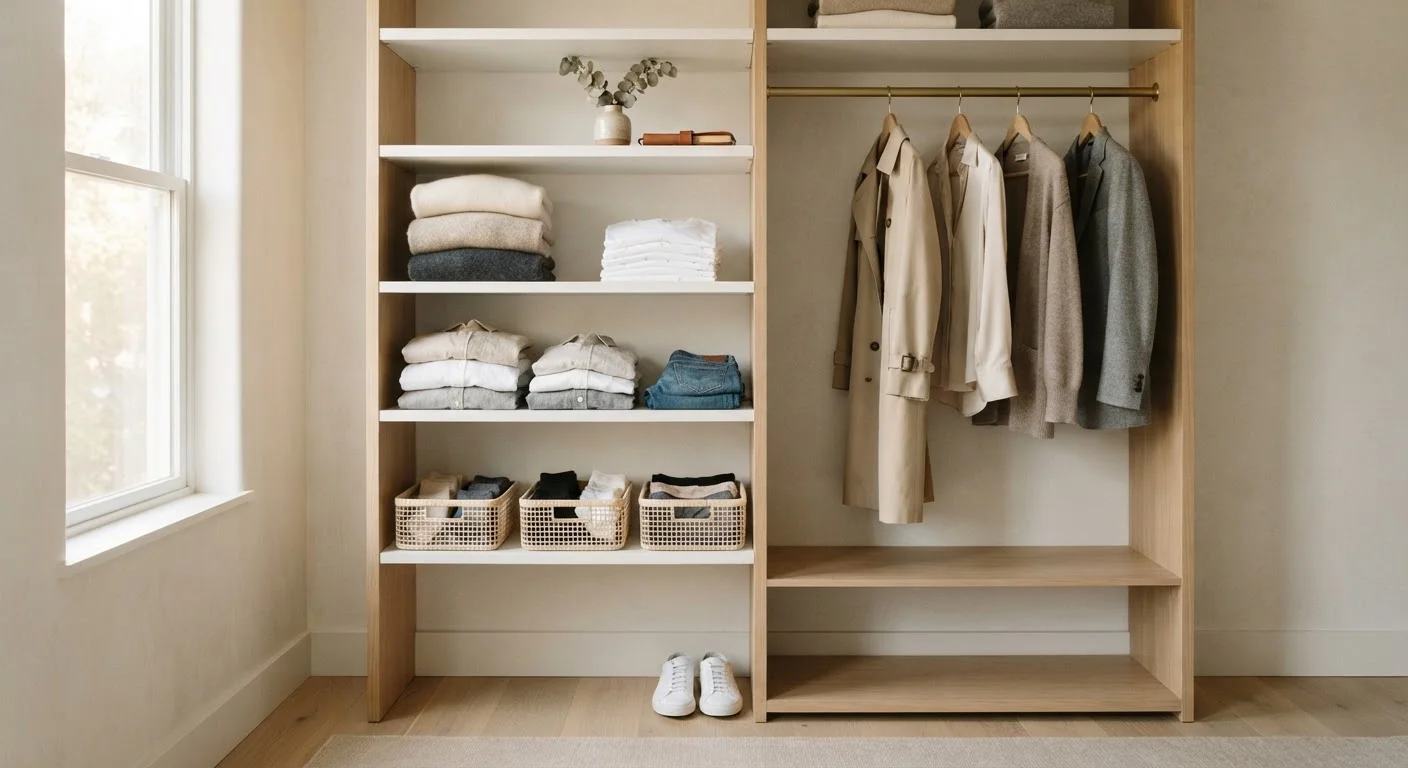
When you're ready to assess what you already own versus what a trend might add, Wardrobe Staples That Earn Their Keep Across Multiple Occasions is a useful counterpoint.
Quick Actions You Can Take Right Now
You don't need a full wardrobe audit to start making smarter trend decisions. These quick moves can shift how you approach the next thing that catches your eye.
The Two-Week Rule for Trend Purchases
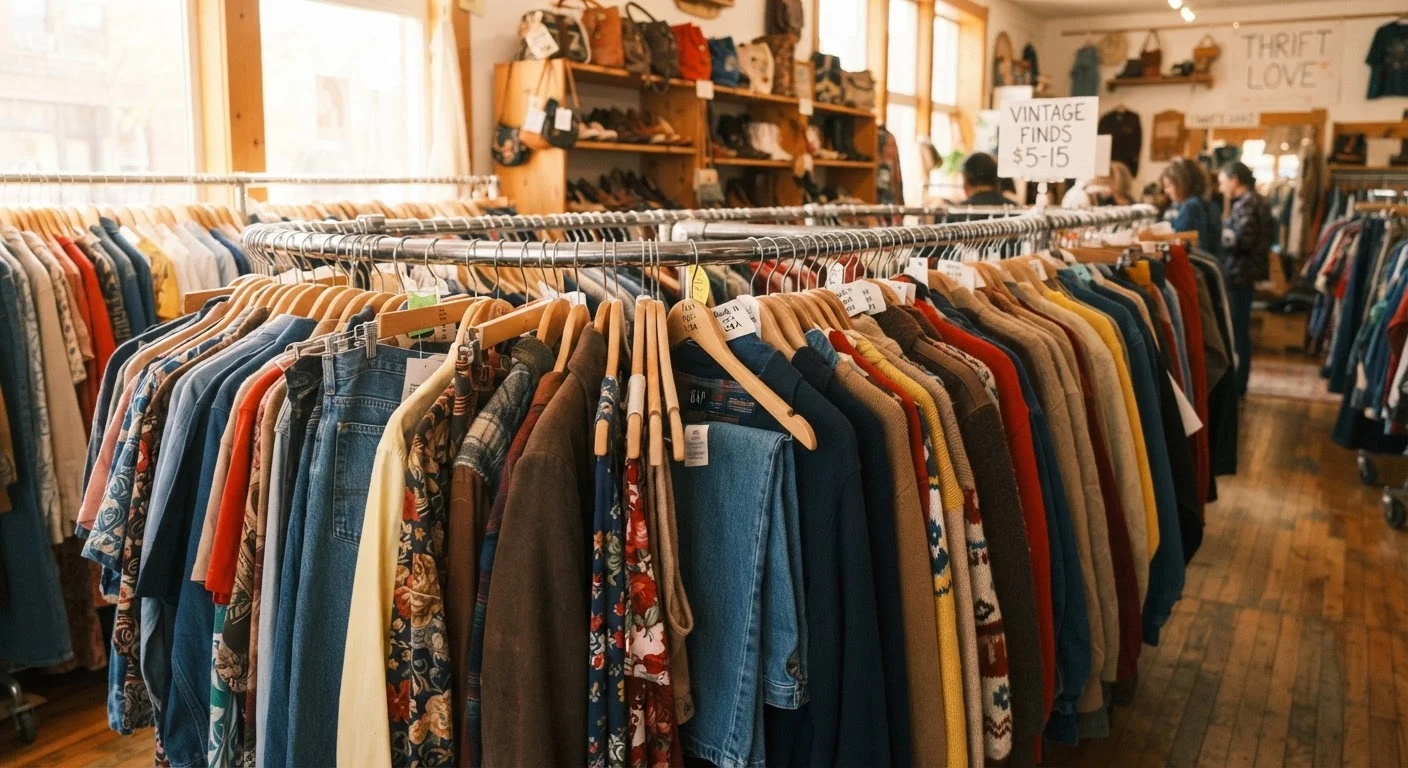
Impulse trend buys are almost always regretted faster than considered ones. If you screenshot an item and still want it two weeks later, that's a meaningful signal. If you've already forgotten about it, you have your answer. This one habit alone can dramatically reduce low-value trend spending.
When Skipping a Trend Is the Smartest Move
There's no style rule that says you must participate in every trend cycle. In fact, selectively opting out is one of the most underrated wardrobe strategies around.
~$500
Average annual spend on impulse fashion purchases
Research from various consumer behavior studies suggests many Americans spend several hundred dollars annually on clothing they rarely or never wear.
30%
Clothing items never worn after purchase
Estimates from waste reduction organizations suggest roughly a third of clothing purchased goes unworn, often linked to trend-driven impulse buying.
If a trend requires you to buy multiple new pieces to make it work, clashes with your lifestyle (office, active, casual), or only looks cohesive on a very narrow range of body types, skipping it is entirely valid. Style authority doesn't come from trend adoption — it comes from consistency and intentionality. See how fit, fabric, and color outrank trendiness as style fundamentals.
“Fashion is about dressing according to what's fashionable. Style is more about being yourself.”
— Oscar de la Renta, Fashion designer
For deeper guidance on making durable, value-driven purchases — not just in fashion — Factors That Separate a Durable Purchase From One You'll Replace Too Soon lays out the signals worth checking.
Trend Participation Is Always Optional
No matter what style content you consume, remember that trend adoption is entirely voluntary. Dressing well is about feeling confident and comfortable in your own choices — not keeping pace with every seasonal shift. The most sustainable wardrobe is one built around what genuinely works for your life, not what's currently visible everywhere online.