Why Outfit Repeating Gets an Undeserved Bad Reputation
The idea that wearing the same clothes repeatedly signals a lack of imagination is a relatively modern — and largely commercial — myth. For most of history, a well-maintained, thoughtfully worn wardrobe was a sign of good taste, not its absence. The pressure to constantly show up in something new is driven by consumption culture, not by any genuine style principle.
In practice, the people most often cited as stylish frequently wear the same pieces on rotation. What distinguishes them isn't novelty — it's intentionality. They know what works on their body, they dress for context, and they understand how small variables create big visual differences. Outfit repeating is a normal and strategic choice, and mastering it is far more valuable than chasing constant newness.
If you've ever stared at a full closet and felt like you had nothing to wear, the issue probably isn't quantity. It's likely a cohesion or remix problem — something the steps below address directly. And if you're starting from scratch, these same principles will help you build smarter from the beginning.
Intentional Doesn't Mean Expensive
You don't need more clothes to look more stylish. Most styling ruts come from not using what's already in your closet to its full potential. Before adding anything new, spend time mapping what you already own — the combinations may surprise you.
Tools and Setup Before You Start
Before working through the steps, gather a few things that will make the process more effective and sustainable. You don't need anything specialized — the goal is simply to give yourself a clear view of what you're working with.
Full-length mirror
Lets you evaluate proportions, fit, and overall silhouette before leaving the house.
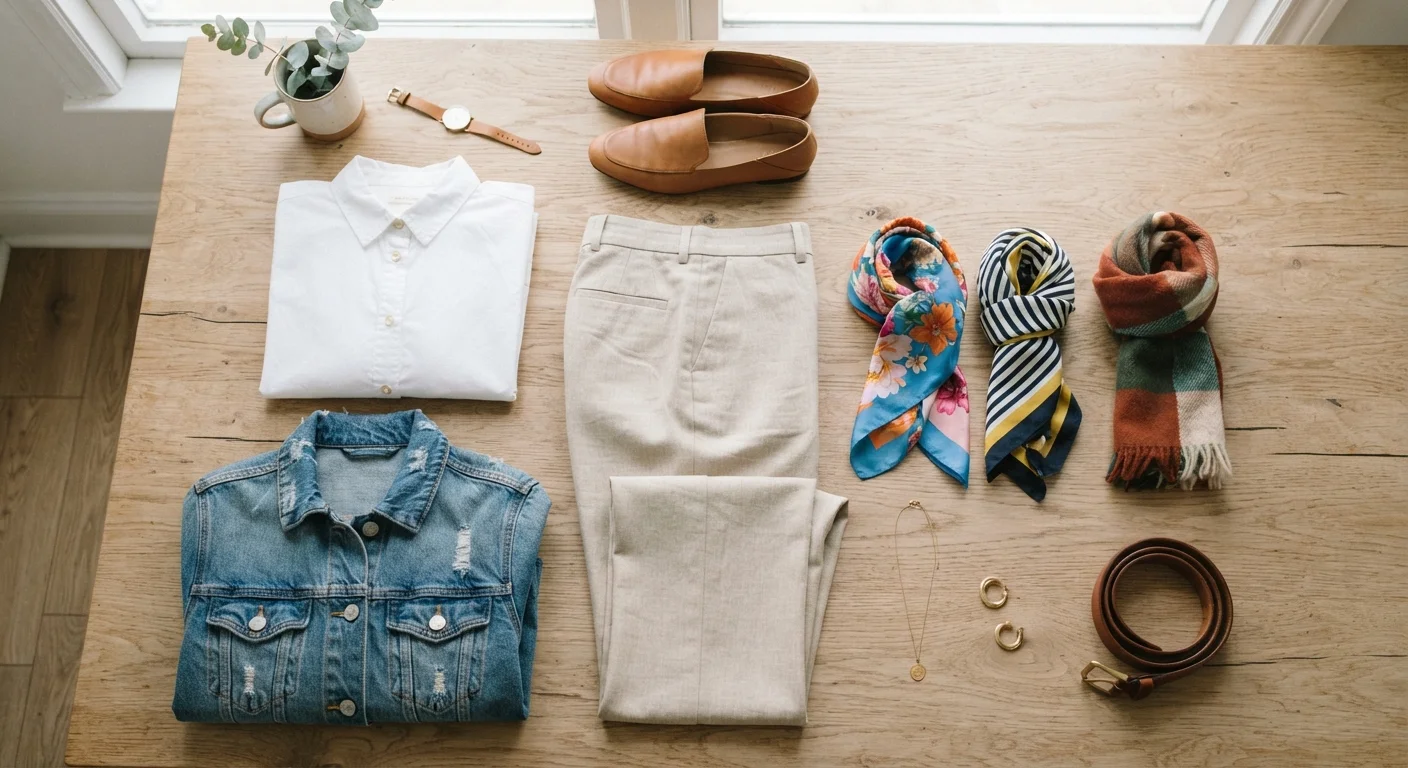
Neutral base pieces (e.g., solid trousers, plain tees, denim)
Form the foundation of multiple remixed outfits without competing with other elements.
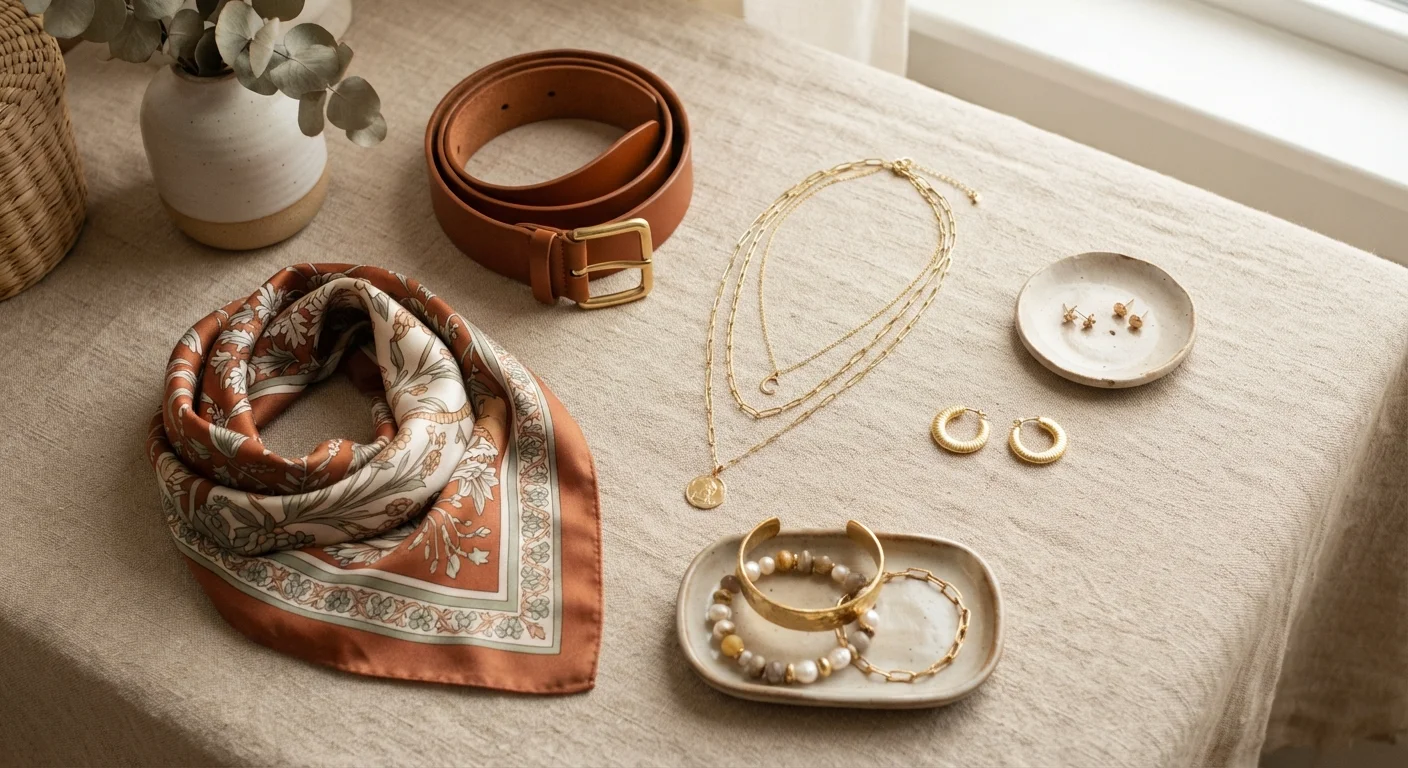
Versatile accessories (scarves, belts, simple jewelry)
Shift the visual tone of a repeat outfit without changing any clothing item.
Outfit-tracking app or notes folder
Records combinations you've worn so you can avoid unintentional identical repeats.
What you will need
How to Remix What You Already Own
The steps below walk you through building a personal remix system — from auditing what you own to tracking combinations over time. Work through them in order the first time; after that, the habits become fast and intuitive.
Audit your wardrobe by category, not by outfit
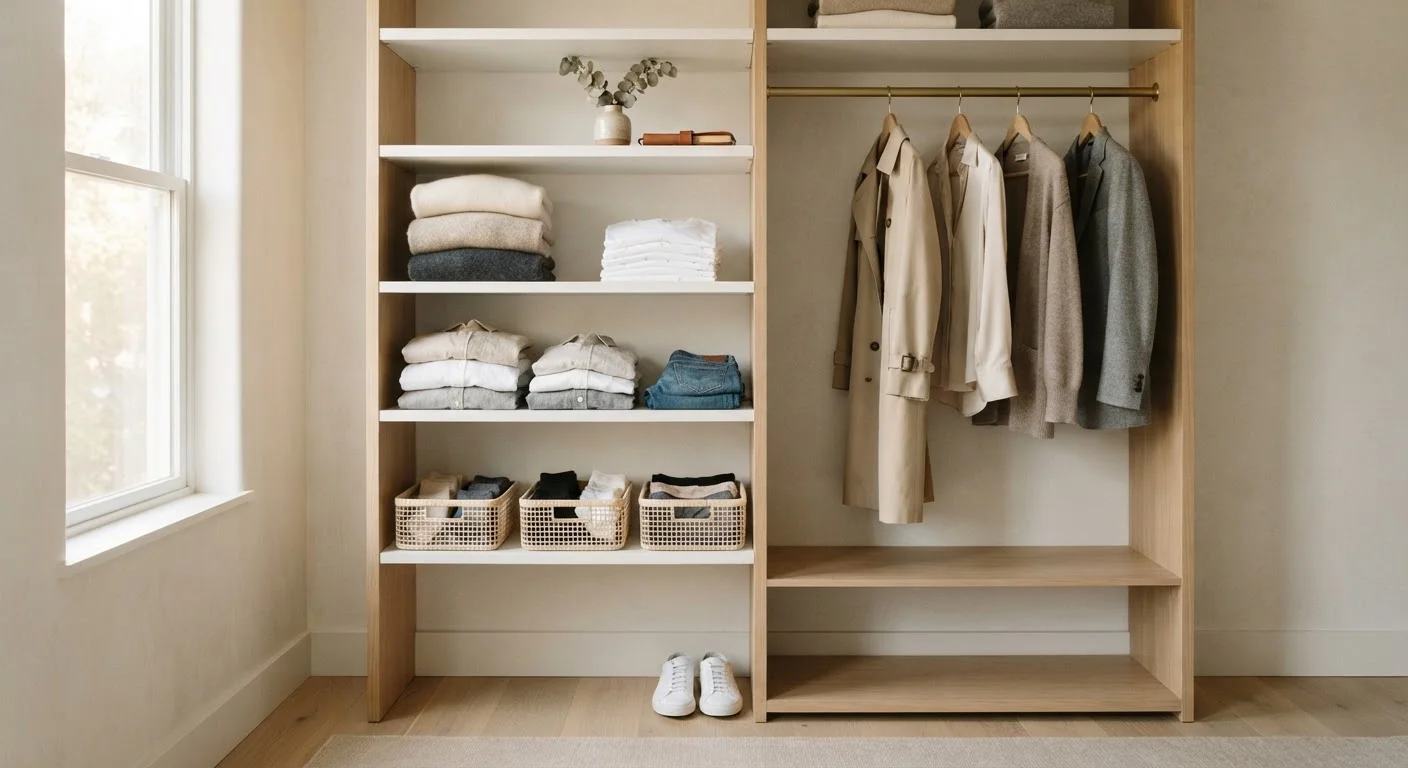
Pull everything out and sort by type: tops, bottoms, layers, shoes, and accessories. This resets how you see each piece — separated from the combinations you always default to, items reveal new potential. Note which pieces are genuinely versatile (solid colors, classic silhouettes) versus highly specific (bold graphic tees, occasion-only dresses).
Identify your three strongest base pieces
A base piece is something that pairs easily with at least five other items in your closet. Common candidates include well-fitting dark denim, neutral chinos, a white or off-white button-down, and a plain crewneck sweater. These become the anchors of your remix system — everything else rotates around them.
Build a simple outfit formula and stick to it
A reliable formula — such as base bottom + tuck or layer + one accessory + shoes that shift tone — removes decision fatigue while keeping outfits looking considered. The formula isn't a cage; it's a scaffold. Once it's second nature, you'll vary it instinctively. This is how professional stylists work with limited wardrobes on editorial shoots.
Change one variable to transform a repeat
You don't need to overhaul an outfit to make it feel new. Swapping the shoes alone can move an outfit from casual to business-casual. Adding a belt changes silhouette. A different bag shifts the vibe entirely. As the accessories guide explains, these finishing elements shift proportion and tone in ways that genuinely alter how the full look reads.
Prioritize fit over frequency
A well-fitting outfit worn multiple times looks more intentional than a constantly rotating wardrobe full of ill-fitting pieces. If something gaps, bunches, or pulls, no styling trick fully compensates. Check fit across shoulders, waist, and length — these three points determine whether a garment looks tailored or thrown on. Fit matters more than any other style rule, and outfit repeating makes that even more visible.
Track your combinations to stay intentional
Use a notes app, a simple spreadsheet, or even a dedicated folder of outfit photos to log what you've worn, when, and where. This isn't about obsession — it's about awareness. You'll notice patterns, identify gaps, and make smarter decisions if you ever do want to add a new piece to your rotation.
Photograph Your Outfits Before You Leave
A quick mirror selfie or flat-lay photo creates a personal lookbook over time. You'll spot underused pieces, remember combinations you loved, and avoid accidentally repeating the exact same outfit to the same event. It takes 30 seconds and pays off every time.
Don't Over-Rotate the Same Combination
Wearing an identical outfit — same pieces, same accessories, same shoes — repeatedly in the same social setting can undermine the intentional effect you're going for. Varying at least one element keeps the look feeling fresh and deliberate rather than stuck.
Common Remix Mistakes and How to Avoid Them
The most frequent issue isn't wearing things too often — it's wearing them in exactly the same configuration every time. Mixing up even one element keeps the look feeling deliberate. A related problem is ignoring proportion: pairing two oversized pieces, or two very fitted ones, without a contrasting element can flatten an otherwise interesting outfit. Cohesion across pieces matters as much as the individual items themselves.
Finally, don't underestimate color. Sticking to a consistent personal palette — even a loose one — makes remixing dramatically easier because pieces naturally work together. If pattern mixing interests you, there's a clear logic behind it that most people never get taught; understanding that logic opens up a lot of creative territory without requiring new purchases.