Why Outfit Repeating Gets an Unfair Bad Reputation
Somewhere along the way, the idea that wearing the same outfit twice was something to apologize for took hold — fueled in part by social media culture and fast fashion's relentless churn of new arrivals. But the reality is that most people, most of the time, are already repeating outfits. The difference between doing it confidently and doing it apologetically is almost entirely mental.
Dressing well has never been about owning the most. It has always been about understanding what you have and using it well. Plenty of people with modest wardrobes dress with consistent, striking clarity — and plenty of people with overflowing closets struggle every morning. The variable isn't volume; it's intention.
Looking intentional as an outfit repeater is a skill, and it's one that's entirely learnable. This guide gives you a practical framework for making repetition feel like a strategy rather than a fallback.
What you will need
What You'll Need Before You Start
You don't need a complete wardrobe overhaul to make outfit repeating work. What you do need is a clear-eyed look at what you already own and a handful of reliable tools. The goal is to work with your existing wardrobe, not replace it.
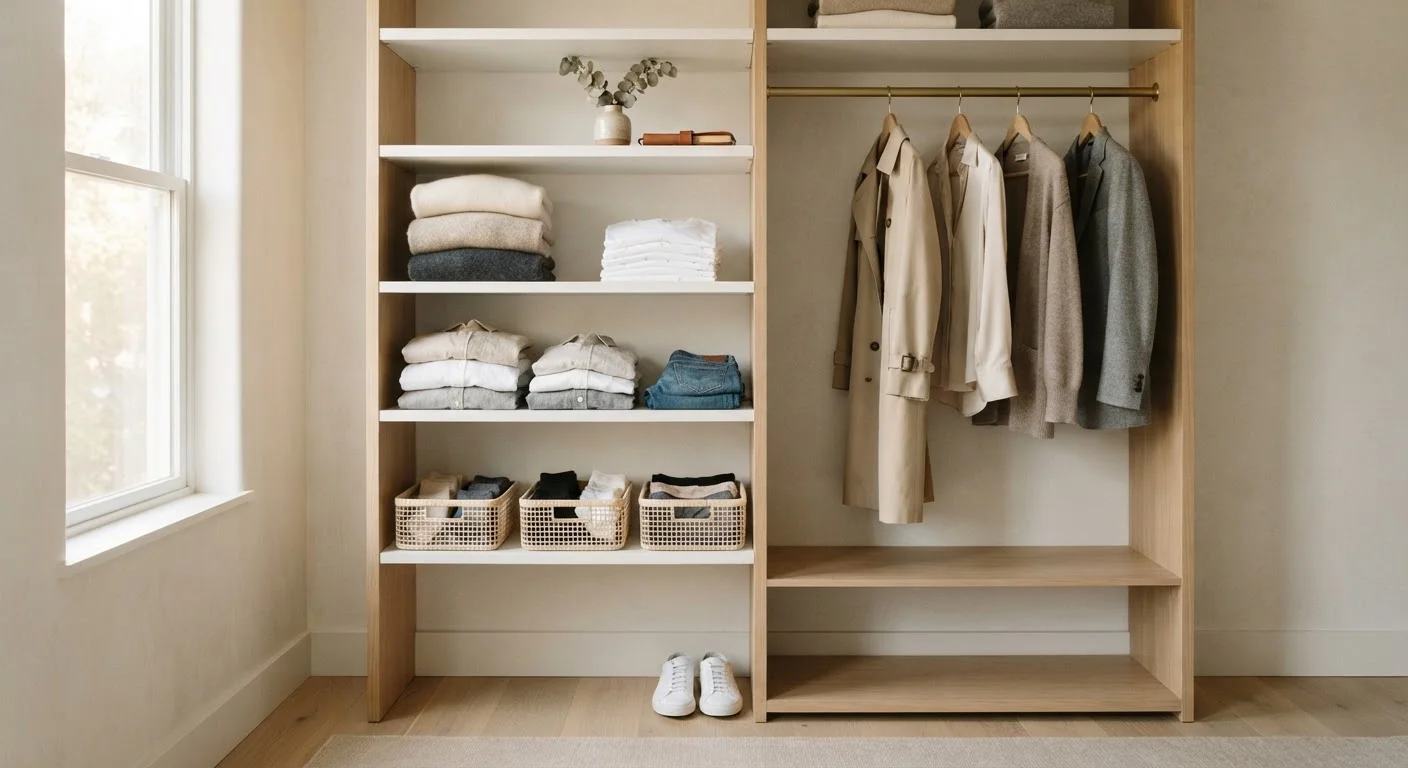
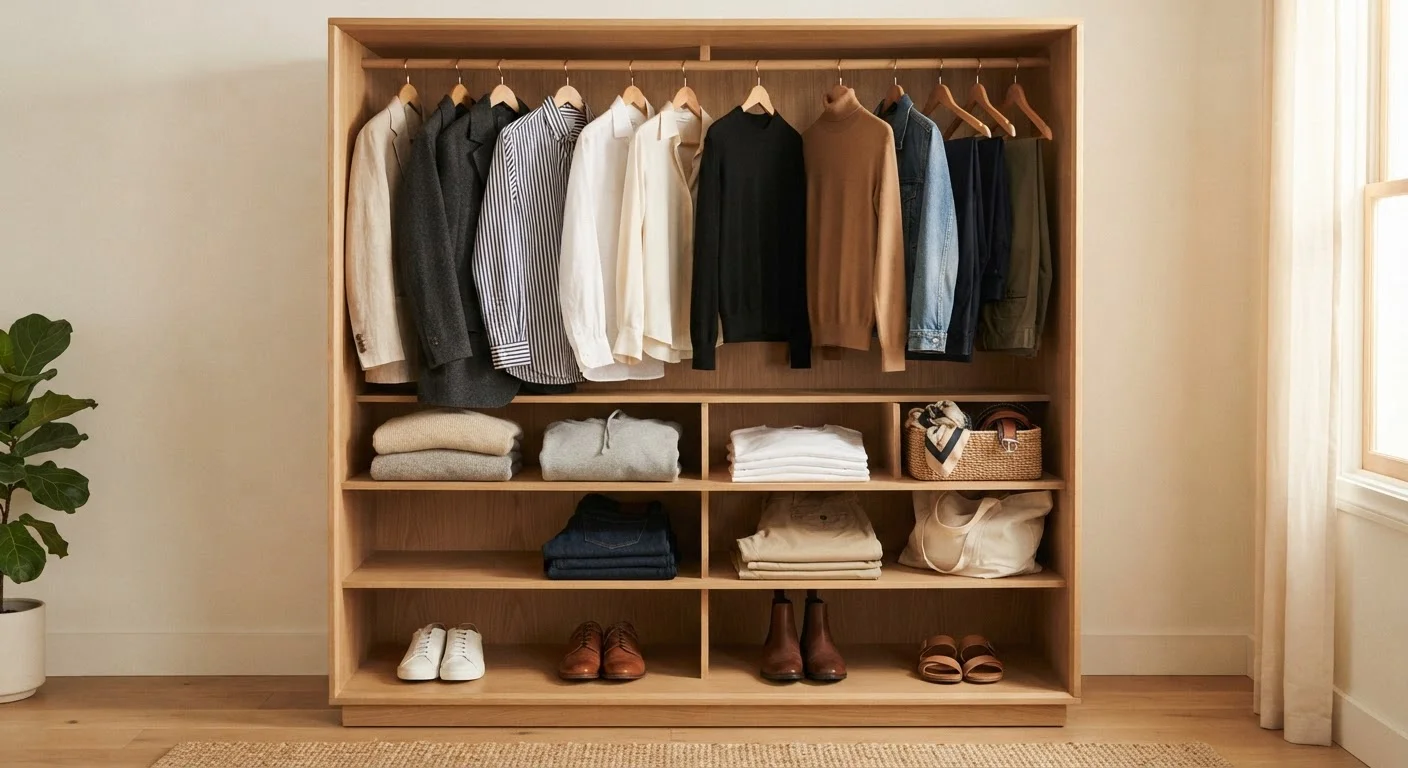
Three to five versatile base pieces
Neutral-toned tops, trousers, or layering pieces that pair easily with most items in your closet.
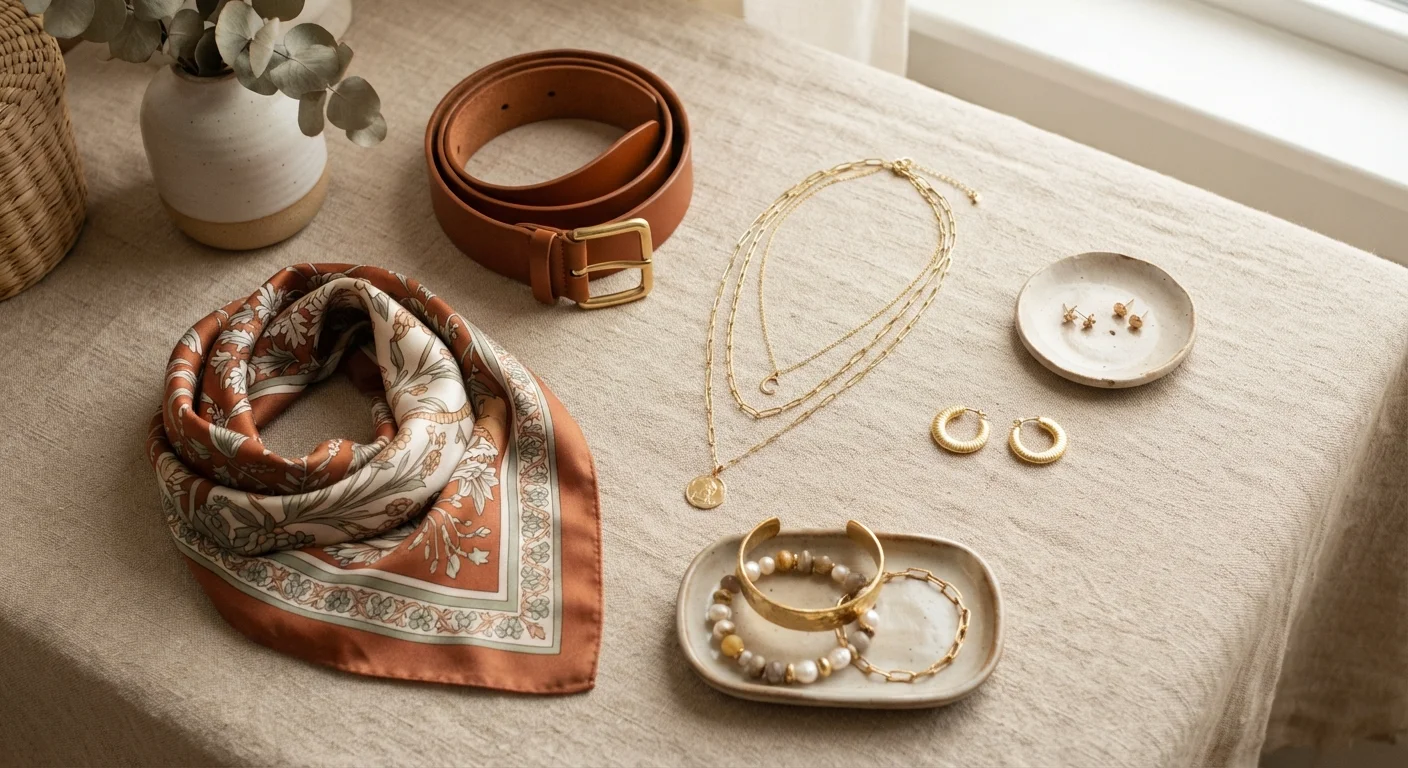
Two to three accessories
Scarves, belts, hats, or jewelry that shift the tone of an outfit without requiring new clothing.
A fabric shaver or lint roller
Keeps repeated pieces looking well-maintained and pill-free so they read as intentional, not worn-out.
Garment steamer or iron
Refreshes the structure and crispness of pieces between washes so they look deliberate each time.
Once you have your core pieces and a couple of accessories in hand, the steps below will help you build out combinations that feel fresh across multiple wears. And if you want to go deeper on which pieces tend to carry the most versatility, this overview of wardrobe staples is a natural companion read.
How to Make Outfit Repeating Work
Follow these steps to build a repeating practice that feels polished and purposeful rather than limited. Each step builds on the last — work through them in order the first time, then revisit individual steps as your wardrobe evolves.
Identify Your True Workhorses
Pull out every item you've worn more than five times in the past two months. These are your real workhorses — the pieces doing genuine heavy lifting. Set everything else aside temporarily. You're not discarding it; you're clarifying what actually functions in your daily life versus what just occupies space.
Look for patterns: Are most of your go-to pieces a similar color family? A similar silhouette? That consistency is the seed of a coherent personal style, not a limitation.
Build Combinations, Not Single Outfits
Instead of thinking in fixed outfits, think in combinations. Take each workhorse piece and ask: how many distinct pairings can I create with what I already own? Aim for at least three per item. A navy crewneck, for instance, might pair with dark jeans, a midi skirt, and chino trousers — three different reads from one piece.
If your pieces aren't combining cleanly, explore why cohesion breaks down — it's often a matter of color or proportion, not the pieces themselves.
Use Accessories to Shift Context
The same black trousers and white shirt read entirely differently with a structured blazer versus an oversized linen shirt tied at the waist. Accessories are the most efficient tool for making repeated clothing feel new. A belt changes proportion. A scarf introduces color. A different shoe shifts the outfit's formality entirely.
Learn how accessories function as outfit anchors — they're doing more structural work than most people realize.
Layer Deliberately to Change the Silhouette
Layering isn't just a cold-weather strategy — it's a tool for visual variety. A dress worn alone looks different under a denim jacket, or over a fitted turtleneck, or belted at the waist. Each layering choice creates a new silhouette and a new mood from the same starting point.
Pay attention to proportion as you layer: mixing a voluminous top with slim-cut bottoms, or a cropped layer over something flowy, creates visual interest that makes repetition look deliberate rather than default.
Maintain Your Pieces Between Wears
Repeated pieces need regular care to stay looking intentional. Air garments out after each wear before hanging them back up. Spot-clean between washes when possible to reduce fabric stress. Use a fabric shaver on knitwear to eliminate pilling, and a steamer or iron to restore structure.
A well-cared-for piece worn many times looks polished. The same piece worn repeatedly without care looks tired. The difference isn't the repetition — it's the maintenance.
Refine Over Time — Don't Refresh Constantly
Outfit repeating works best as an evolving practice, not a static one. As you identify which combinations you reach for most, notice what's missing and what's redundant. One well-chosen addition — a piece that works with everything you already own — strengthens the system without disrupting it.
Versatile wardrobe staples are the foundation of any repeat-friendly closet. Invest in those before expanding elsewhere.
Your Clothes Need Rest Too
Wearing the same garment multiple days in a row — without airing it out — shortens its lifespan and traps odors. Rotating pieces and allowing them to air between wears keeps fabrics fresher and maintains the shape you rely on. Good garment care is what makes outfit repeating sustainable long-term.
Getting More Mileage Through Color and Fit
Two factors consistently separate confident outfit repeaters from those who feel stuck: color coordination and fit. Pieces that sit well on the body and share a coherent color relationship will always look more deliberate when repeated than pieces that feel like a compromise.
You don't need a formal color education — color coordination can be approached simply and practically without overwhelming yourself. And if you're unsure why some combinations click and others don't, fit is almost always the answer. A well-fitting piece looks intentional the fifth time you wear it. One that never quite fit correctly will look like a mistake every time.
Photograph Your Best Combinations
When you land on a combination that genuinely works, snap a quick photo and save it. Over time you build a personal lookbook of proven outfits you can return to without second-guessing yourself on busy mornings. It also reveals which pieces carry the most weight in your wardrobe.
Don't Force Every Piece to Do Everything
Not every item in your closet is built for heavy rotation. Delicate fabrics, statement pieces, and formal garments wear out faster under frequent use. Reserve those for occasions that genuinely call for them, and lean on your sturdy, well-fitted basics for everyday repeating.