The Real Reason Your Closet Isn't Working
You've stood in front of a full closet feeling like you have nothing to wear. Every piece looks appealing on the hanger, but when you try to combine them, something feels off. The culprit usually isn't taste or budget — it's the absence of an intentional system connecting your choices.
Most people build their wardrobes reactively, reaching for whatever catches their eye at any given moment. The result is a collection of individual stars with no supporting cast. If you recognize that frustration, you're not alone — and it's entirely fixable. The cycle of decision fatigue and a cluttered wardrobe feeds itself until you break it with some deliberate strategy.
Shopping for pieces in isolation without considering what's already in your closet.
Why it happens: Retail environments are designed to present items at their most appealing — styled, lit, and standalone. It's easy to fall in love with a piece without mentally road-testing it against your actual wardrobe.
Accumulating too many competing color families with no unifying thread.
Why it happens: Personal taste is wide-ranging, and impulse purchases made in different moods, seasons, or life phases tend to reflect wildly different palettes. Over time, the closet becomes a sample collection rather than a working wardrobe.
Ignoring proportion and silhouette when combining pieces.
Why it happens: People tend to focus on color or pattern when putting outfits together and overlook how the overall shape of a look reads. Pairing two oversized or two very fitted pieces in a row creates either formlessness or rigidity.
Mixing fabrics with incompatible textures or formality levels.
Why it happens: Fabric feel and formality aren't things most people were taught to evaluate. A silk blouse and a heavy denim skirt, for example, can cancel each other out because they belong to different registers of dressing.
Treating every piece as a statement when most should be supporting players.
Why it happens: It's tempting to build outfits around multiple standout items, especially when everything in your closet is something you love. But when everything competes for attention, nothing wins.
How to Start Building Real Cohesion
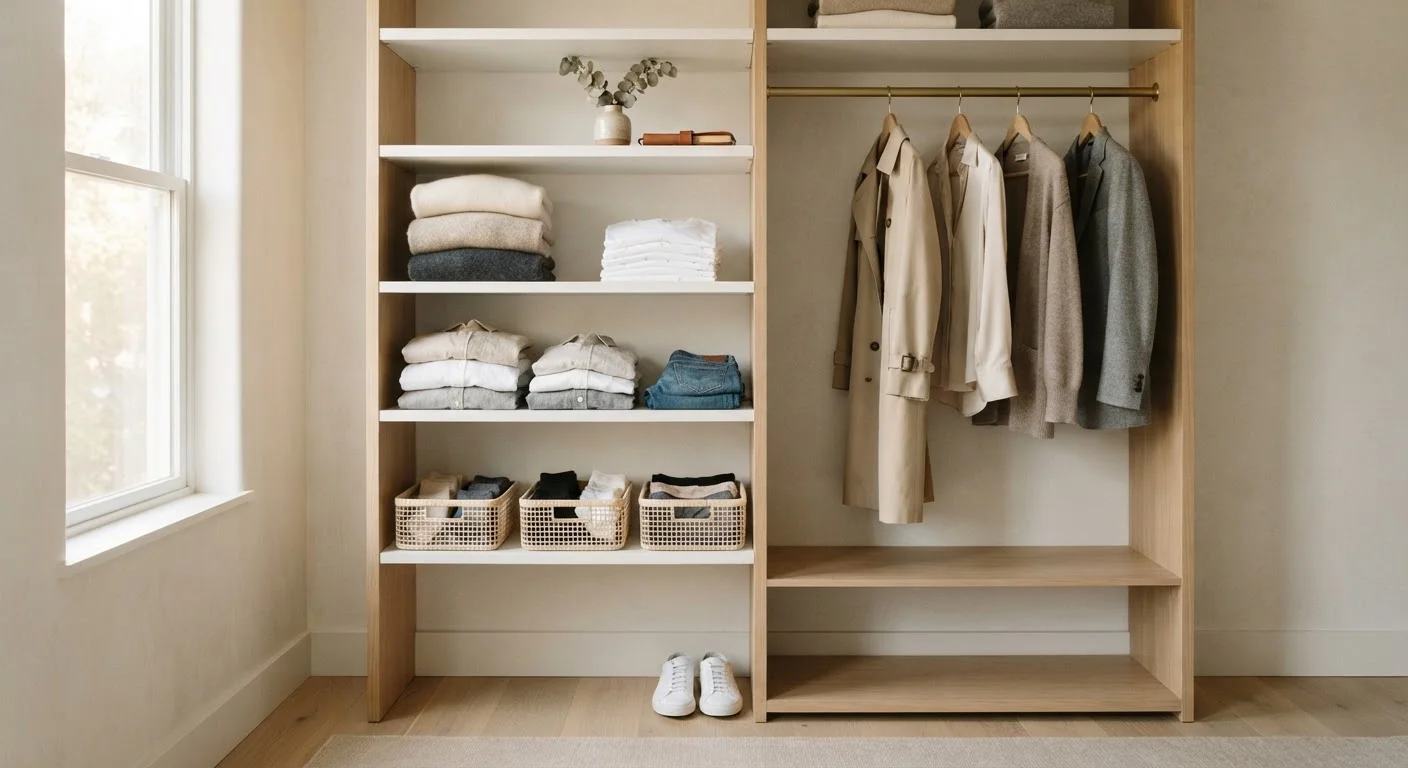
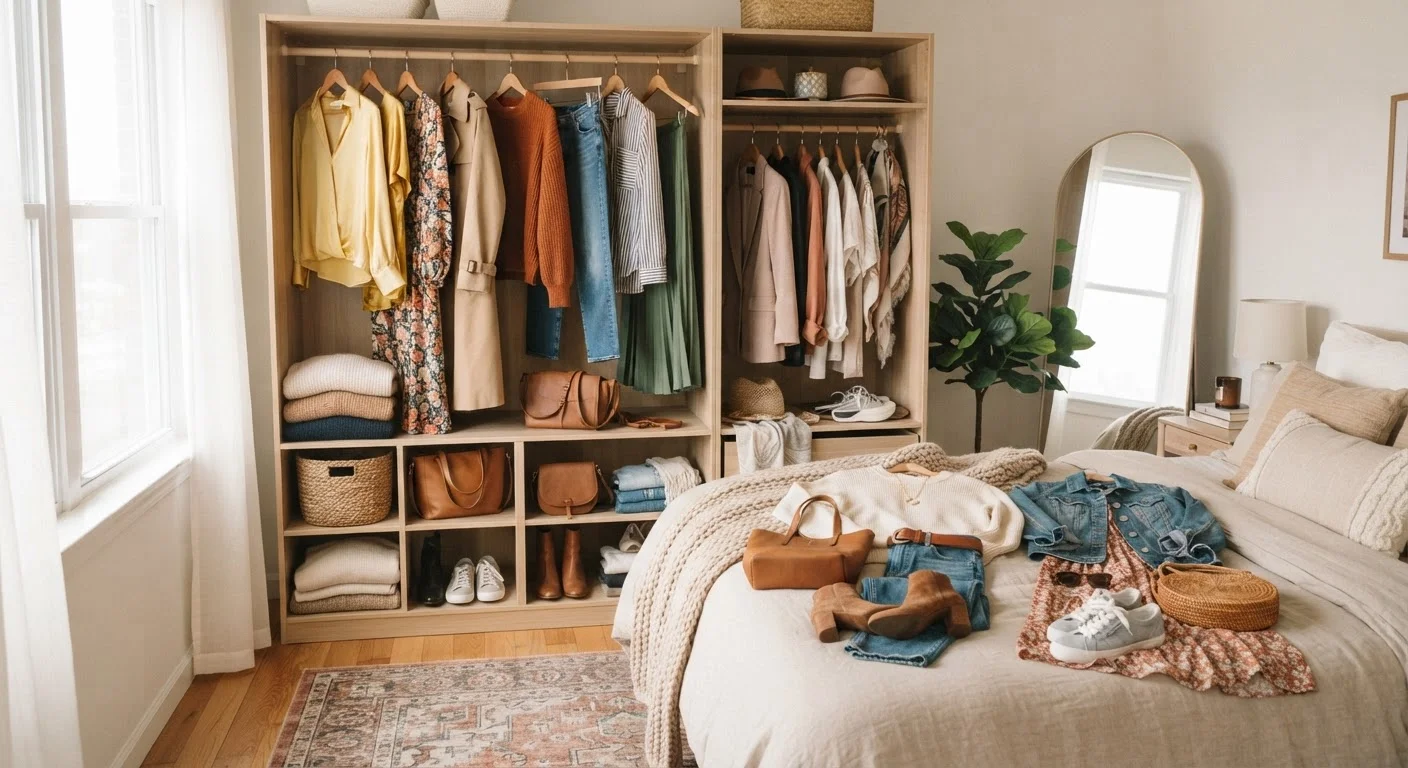
Cohesion doesn't require a capsule wardrobe overhaul or a significant shopping trip. It starts with identifying two or three anchor colors that already show up repeatedly in pieces you reach for most. From there, every future addition can be evaluated against that palette before it enters your closet.
Proportion is the next lever. Once you understand how volume works — a relaxed top pairs with a fitted bottom, a structured jacket grounds a flowy dress — you can apply that logic intuitively. For a deeper look at why this element outweighs almost everything else, the breakdown in fit vs. fabric vs. color is worth reading carefully.
~80%
Of wardrobe items rarely worn
Research and wardrobe audits consistently suggest most people regularly wear only about 20% of what they own, leaving the majority of purchases underused.
3+
Existing outfit pairings per new item
Style educators commonly recommend confirming at least three existing pairings before adding a new piece to ensure it earns its place in your wardrobe.
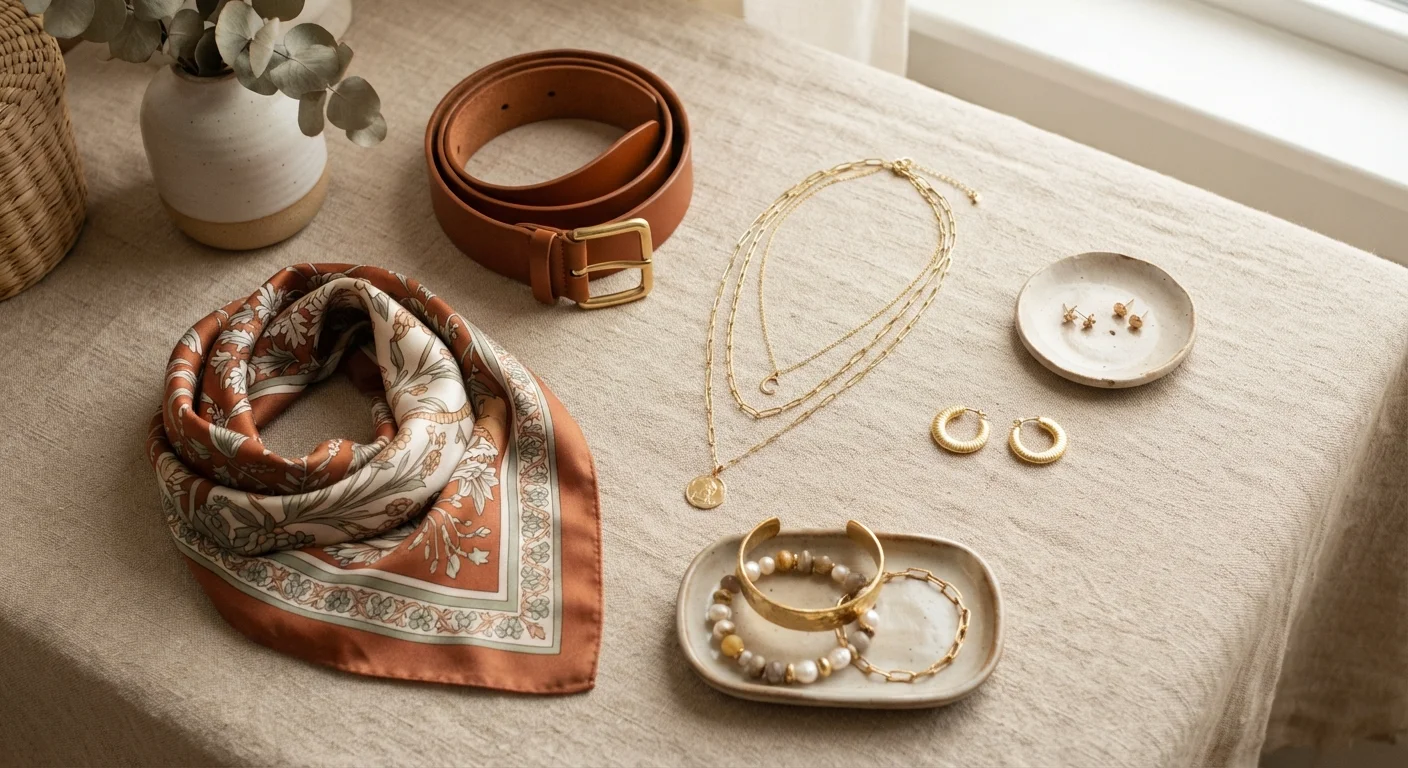
Accessories are another underused tool for pulling an outfit together. A well-chosen belt, bag, or shoe can bridge a color gap or add the tonal consistency that makes a combination feel finished rather than accidental. See how accessories function as outfit anchors to understand their full role. And if you're worried about repeating the same combinations too often, repeating outfits intentionally is a skill, not a shortcut.
More Clothes Doesn't Equal More Outfits
Adding pieces to a wardrobe that already lacks cohesion tends to make the problem worse, not better. Each new item that doesn't connect with the existing palette or silhouette language adds to the visual noise. Pause and audit what you have before shopping for solutions — more often than not, the answer is already in your closet.