Why Setup Decisions Have Long Tails
The first hour with a new PC or laptop often determines how smoothly — or how frustratingly — it performs for the next several years. Setup decisions made in haste tend to become the default state of the machine, and defaults are rarely revisited. Small omissions, like skipping an update or leaving backup unconfigured, quietly accumulate into larger problems.
This pattern isn't unique to technology. Just as overlooked home maintenance tasks can silently worsen over time, the same is true for computer setup steps that get deferred indefinitely. The difference is that with a PC, those early choices are harder to undo cleanly once the machine is deeply embedded in your daily routine.
The mistakes below are among the most common — and the most consequential. Most take only minutes to address at setup but can require significant effort to fix after the fact.
Skipping the initial round of system updates after unboxing.
Why it happens: New devices feel ready to use immediately, and update downloads are slow — so most people dismiss the prompts and jump straight in.
Creating a weak or recycled password for the primary user account.
Why it happens: Setup wizards move quickly, and users often grab a familiar password to get past the screen faster.
Never configuring a backup solution before the machine is in daily use.
Why it happens: Backups feel like a task for 'after I'm settled in,' but that milestone rarely arrives before something goes wrong.
Filling the primary drive with files immediately, leaving little free space.
Why it happens: Transferring everything from an old device is satisfying, and storage limits aren't obvious until performance degrades.
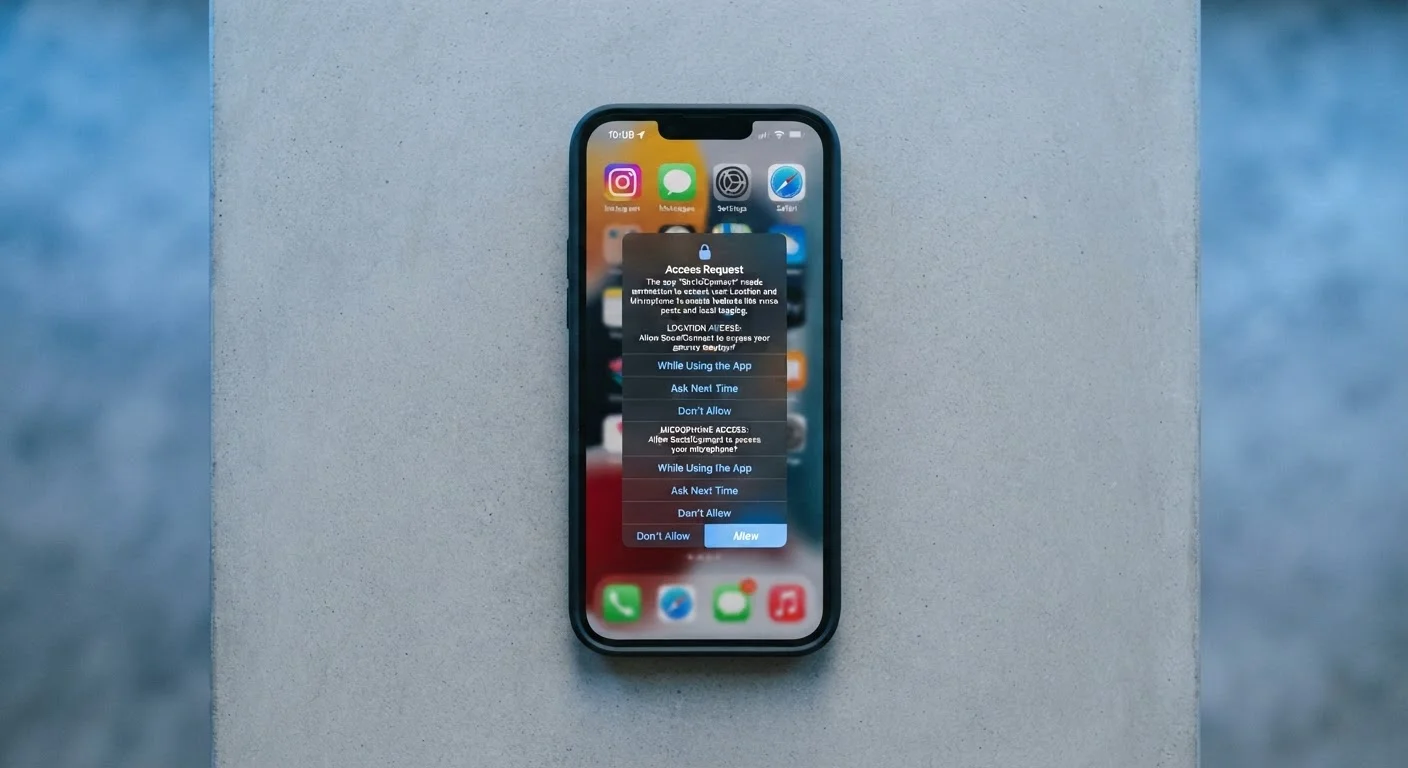
Granting every app full permissions without reviewing what access is actually needed.
Why it happens: Permission prompts appear during installation when attention is focused on getting the app running, not evaluating its requests.
Disabling or ignoring the firewall and built-in security tools to speed up the machine.
Why it happens: Security software is sometimes blamed for slowdowns, and new users may turn it off expecting a performance boost.
Building Better Habits From Day One
Avoiding these setup mistakes is ultimately about forming the right defaults from the start. A machine configured with security, storage, and backup in mind will demand far less reactive attention later on.
Backups Are Not Optional
Data loss is permanent if no backup exists. A single failing hard drive, ransomware attack, or accidental deletion can erase everything — documents, photos, and work files alike. Configure an automatic backup solution before you consider your setup complete. External drives and cloud storage together provide the strongest protection.
Passwords deserve the same early attention.
Reused Passwords Spread Risk Quickly
Using the same password across your operating system login, email, and other accounts means one breach compromises everything connected to it. If your email password is exposed in a data leak, attackers can use it to reset credentials across dozens of services. Set unique passwords from the start — a password manager makes this manageable.
It's also worth noting that similar reasoning errors affect other devices. If you've ever dismissed an update notification on your phone, our guide to phone software update mistakes covers how those deferrals can cause real problems. And if you're still deciding on a machine, see how common PC purchase regrets often stem from the same kind of in-the-moment reasoning that drives setup shortcuts.
68%
Users who reuse passwords across accounts
According to a Google-Harris Poll survey, roughly 65–68% of Americans reuse the same password for multiple online accounts.
1 in 3
People who have never backed up their data
Industry surveys consistently find that a significant share of computer users have no regular backup routine in place.
Taking thirty minutes during setup to apply updates, configure backups, and set strong credentials isn't exciting — but it's the kind of groundwork that makes every hour of use afterward more secure and more reliable.