Why These Myths Persist
Many smartphone battery myths originated in the early days of consumer electronics, when nickel-cadmium (NiCd) batteries dominated. Those older batteries genuinely did develop a "memory effect" — a real phenomenon where incomplete discharge cycles caused them to lose usable capacity. The advice to fully drain and recharge made practical sense then.
Today's smartphones run on lithium-ion (Li-ion) or lithium-polymer chemistry, which behaves entirely differently. The old rules simply don't apply, yet the advice has outlasted the technology it was based on. Understanding the actual science behind your battery helps you make smarter decisions — and avoid habits that may quietly do more harm than good.
For a broader look at how batteries degrade over time, see our guide to why phone batteries lose capacity.
Myth
You should fully drain your battery to zero before recharging it.
Fact
Fully draining a lithium-ion battery repeatedly can actually shorten its lifespan. Partial charges are healthier.
This advice traces back to older NiCd battery technology. Lithium-ion batteries — the type in virtually all modern smartphones — do not have a memory effect. Letting them drop to 0% puts the battery under stress called deep discharge, which over time degrades cell capacity. Most battery researchers and device manufacturers suggest keeping charge levels above 20% when possible.
Myth
Leaving your phone plugged in overnight will overcharge and damage the battery.
Fact
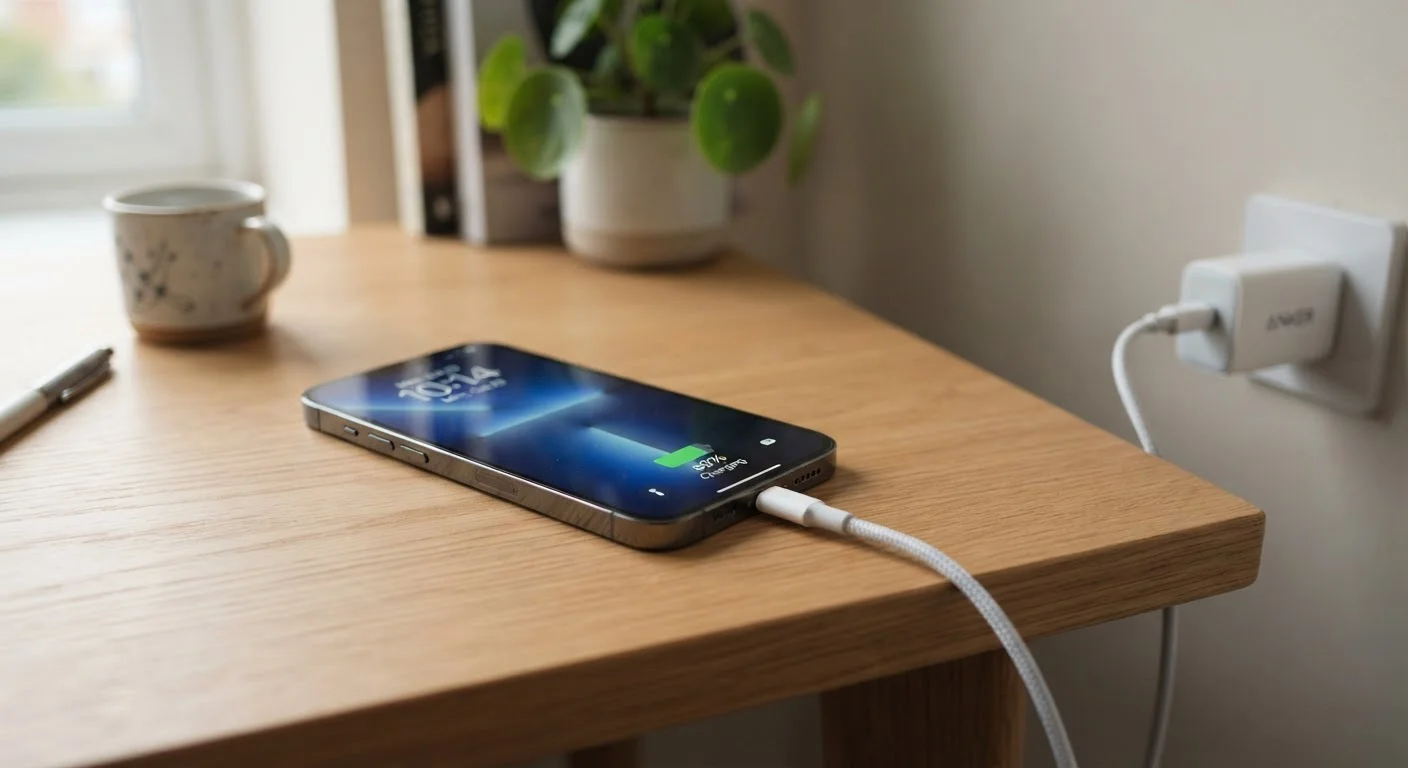
Modern smartphones have built-in charge controllers that stop drawing power once the battery reaches 100%.
Current iOS and Android devices include hardware and software systems specifically designed to prevent overcharging. Many phones also offer an "optimized charging" feature that learns your routine and slows the final charging phase overnight, reducing time spent at 100%. Occasional overnight charging is not harmful under normal circumstances, though keeping a device perpetually at full charge for extended periods can cause minor long-term wear.
Myth
Only the original manufacturer's charger is safe to use.
Fact
Third-party chargers that meet recognized safety certifications are generally safe and compatible.
The key distinction is certification, not brand. Chargers carrying recognized safety marks — such as UL listing in the United States — have been independently tested for safety compliance. Very cheap, uncertified chargers from unverified sources can pose real risks, including inadequate surge protection or incorrect voltage output. Purchasing a certified third-party charger from a reputable retailer is a reasonable, cost-effective option for most users.
Myth
Closing all your background apps saves battery life significantly.
Fact
Force-closing apps frequently can actually increase battery usage, not reduce it.
When you force-quit an app and relaunch it, your phone expends energy loading it fresh from storage. Apps running passively in the background on modern operating systems consume very little power. Both Android and iOS actively manage background processes to limit battery drain. Habitually swiping away every app may feel productive, but research and guidance from both major OS developers suggests it offers no meaningful battery benefit for most users.
Myth
Heat is only a concern if your phone feels burning hot.
Fact
Even moderate sustained heat accelerates chemical degradation inside a lithium-ion battery.
Battery chemistry is sensitive to temperature. Sustained exposure to warmth — such as sitting in a sun-lit car interior or charging inside a thick case — can accelerate the internal aging of battery cells even if the phone never feels uncomfortably hot to the touch. Cold temperatures also temporarily reduce capacity, though that effect is largely reversible once the device warms up. Heat damage, by contrast, tends to be permanent and cumulative.
Charging Habits That Actually Matter
Once you've cleared away the myths, the practical guidance becomes straightforward. Li-ion batteries age through charge cycles — each full 0–100% cycle counts as one cycle, and manufacturers typically rate batteries for several hundred cycles before significant capacity loss occurs. Keeping your battery in a mid-range state of charge reduces the number of full cycles you accumulate.
300–500
Typical full charge cycles before noticeable capacity loss
Most lithium-ion battery manufacturers rate cells for several hundred full charge cycles before capacity drops to around 80% of original.
~80%
Recommended upper charge limit for long-term battery health
Battery researchers generally suggest keeping lithium-ion batteries between 20% and 80% charge to minimize electrochemical stress over time.
Heat management matters more than most users realize. Avoid leaving your phone in direct sunlight, inside a hot car, or on surfaces that trap warmth while charging. Even a protective case can trap heat during a charging session — removing it if your phone feels hot to the touch is a reasonable precaution.
If your device feels like it's running down faster than usual despite good habits, the slowdown may have other causes. Our article on why phones slow down over time covers contributing factors beyond the battery itself.
Uncertified Chargers Carry Real Risks
Extremely low-cost chargers from unverified sources may lack proper surge protection or deliver incorrect voltage. These can damage your battery or, in rare cases, create a safety hazard. Always look for a recognized safety certification mark before using a third-party charging accessory.