What Envelope Budgeting Actually Is
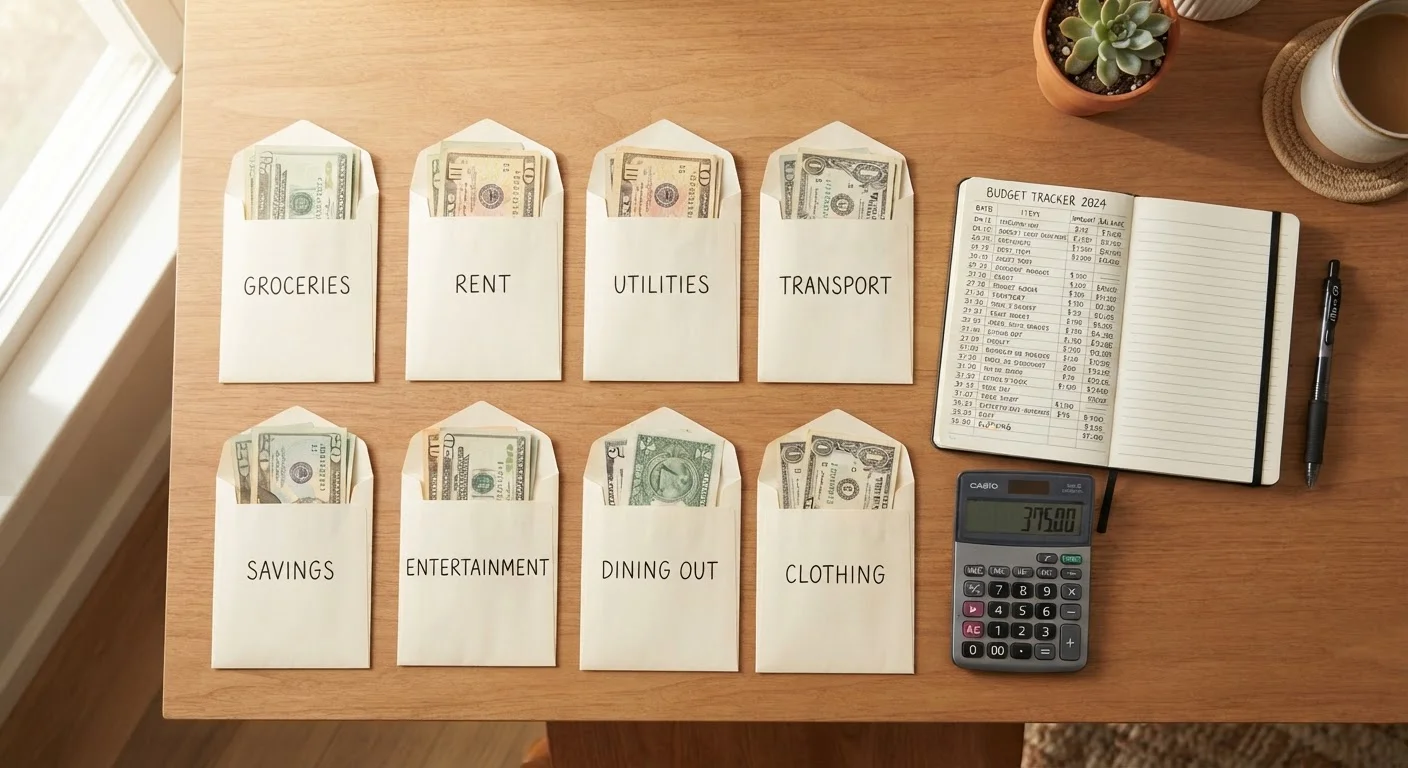
Envelope budgeting is a cash-allocation method built on a simple premise: divide your available spending money into labeled categories before you spend any of it. Traditionally, each category gets a physical envelope stuffed with the allotted cash. When the envelope is empty, spending in that category stops for the period — no exceptions, no overdrafts, no rationalizations.
The method has existed in various forms for generations, predating personal finance apps by decades. Its staying power comes from one thing: it makes the abstract concrete. A number on a spreadsheet is easy to ignore; an empty envelope is not.
Envelope budgeting
A spending method where a set amount of money is pre-allocated to each budget category, typically in a labeled envelope, and spending stops when that amount is used up.
Variable expenses
Costs that change from month to month based on your choices, such as groceries, dining out, or household supplies — as opposed to fixed bills that stay the same.
Fixed obligations
Regular, predictable payments like rent, mortgage, or insurance premiums that don't change based on day-to-day decisions and are generally managed separately from envelope categories.
Funding period
The interval — usually monthly or biweekly — at which you refill each envelope with its designated cash or digital allocation before spending begins again.
Surplus rollover
Any money remaining in an envelope at the end of a budget period that is carried forward, saved, or redirected rather than simply spent.
If you're new to budgeting entirely, Personal Budgeting From the Ground Up covers the foundational concepts you'll want in place before implementing any specific method.
Setting Up Your Envelopes for Home Expenses
Setup starts with a clear picture of your take-home income and your fixed obligations. Fixed costs — rent, mortgage, insurance premiums, loan payments — generally don't belong in envelopes because they don't vary and can't be interrupted mid-month. Remove those first.
What remains is your target envelope pool: the variable, discretionary spending you actually control month to month. Common household envelope categories include:
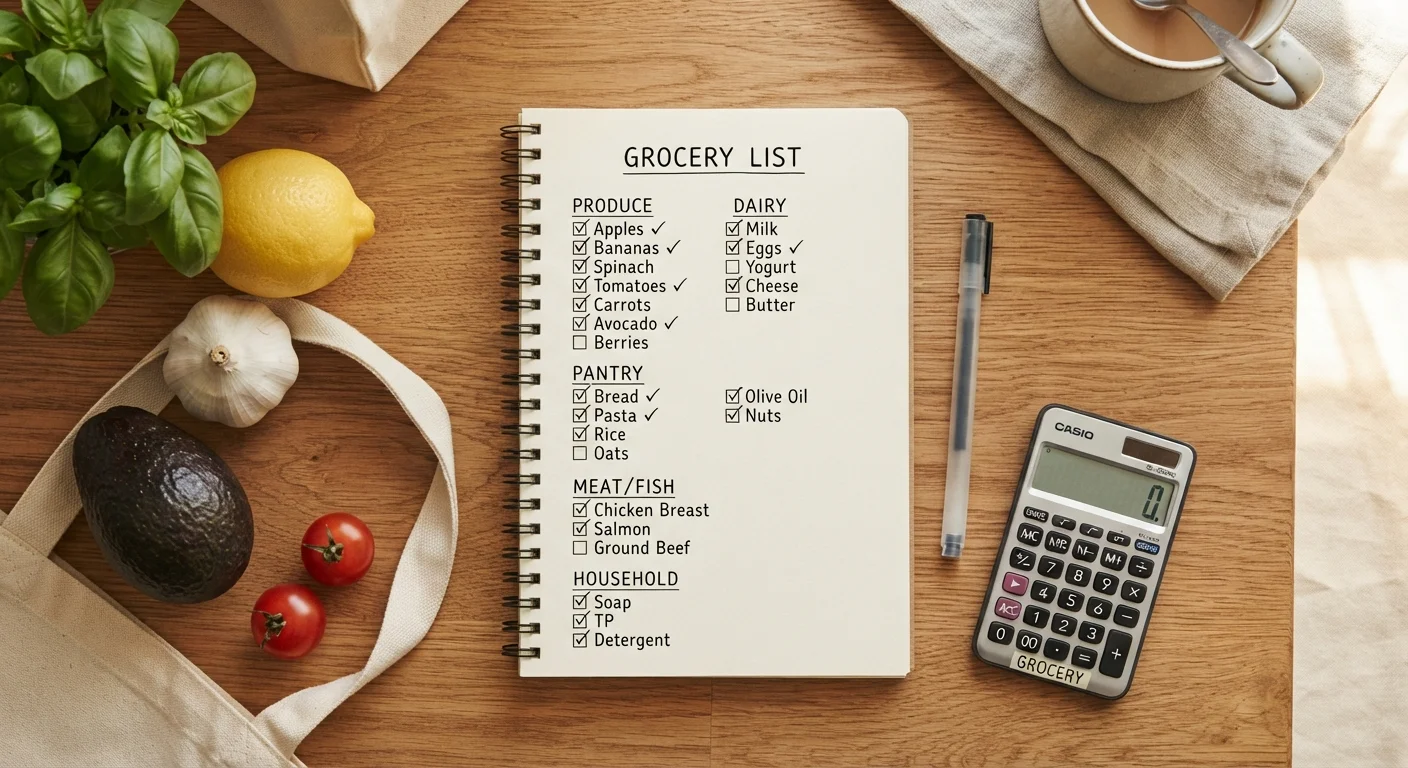
- Groceries and household staples — food, cleaning supplies, paper goods
- Home maintenance and repairs — light bulbs, filters, minor fix-its
- Personal care — toiletries, haircuts, over-the-counter items
- Entertainment and dining out — restaurants, streaming, activities
- Clothing and household goods — seasonal or as-needed purchases
Assign a realistic dollar amount to each envelope based on recent spending history, not wishful thinking. If you spent $480 on groceries last month, starting with a $300 grocery envelope will almost certainly fail. Aim for honest allocations first; tighten gradually as you learn your patterns.
Start With Fewer Envelopes
Most people who try envelope budgeting and abandon it do so because they created too many categories at once. Start with three to five envelopes covering your highest-variability spending areas. Add categories only after the core habit is established — usually after two full budget cycles.
How to Run the System Month to Month
On payday — or at the start of your budget period — fund each envelope. If you use physical cash, withdraw the total and divide it. If you prefer a digital approach, transfer or earmark those amounts in a tracking app or spreadsheet. The discipline of the funding step is non-negotiable; skipping it defeats the purpose.
Throughout the month, spend only from the relevant envelope. Buy groceries? Take it from the grocery envelope. Need a plunger? That's household maintenance. Record each transaction if you're going digital, or simply count what's left if you're using cash.
When an envelope runs low, you face a real decision: stop spending in that category, or deliberately move money from another envelope that has surplus. Either choice is acceptable — but it must be a conscious decision, not a silent override. That moment of friction is where the behavioral value of the system lives.
At month's end, review each envelope. Leftover funds can roll over into next month's allocation, be swept into savings, or fund an irregular-expense envelope (think annual subscriptions or holiday spending). For a broader view of how this fits into debt reduction and savings goals, the Saving & Debt hub offers practical next-step guidance.
Limits, Trade-Offs, and Who It Fits Best
Envelope budgeting is a tool, not a universal solution. Understanding its constraints helps you decide whether it fits your situation or needs to be adapted.
Where it falls short: The system is poorly suited to households that rarely use cash, carry complex expense profiles, or have highly irregular income without a baseline to anchor allocations. It also doesn't natively handle savings targets, debt payoff schedules, or investments — those require a broader budgeting framework alongside it.
Where it genuinely helps: Households that consistently overspend in a few specific categories — especially groceries, dining, and household goods — often see the clearest benefit. The hard stop of an empty envelope disrupts the automatic, low-awareness spending that tends to cause budget drift.
If you're weighing this method against other approaches, Zero-Based Budgeting vs. the Envelope Method breaks down how the two systems differ in practice. And for those curious about adapting the envelope concept to card-based, digital-first lifestyles, The Case for Envelope Budgeting in a Digital World explores what that looks like in practice.
Don't Set Envelopes Based on Wishful Thinking
Allocating far less than you typically spend doesn't create discipline — it creates repeated failure that erodes motivation. Pull at least two to three months of actual spending data before deciding on envelope amounts. Accuracy in setup is what makes the system functional, not aspirational targets.
This article is for general informational purposes only and does not constitute personalised financial advice. For guidance specific to your financial situation, consult a qualified, licensed financial professional.