How Each System Works
Both zero-based budgeting and the envelope method are intentional spending systems — meaning they require you to decide where your money goes before you spend it. But the mechanics are quite different.
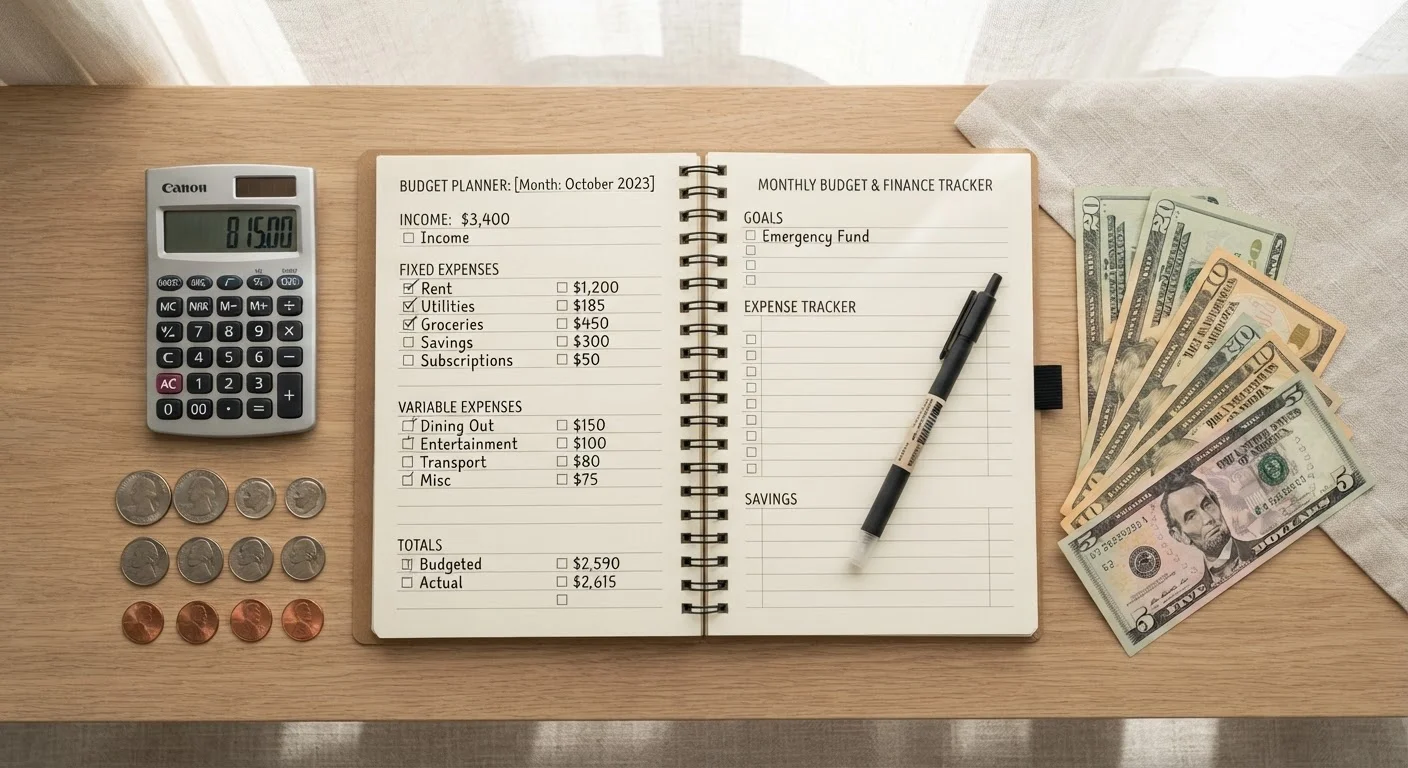
Zero-based budgeting (ZBB) starts with your monthly take-home income and assigns every dollar to a category — rent, utilities, groceries, savings, debt payments, entertainment — until the balance reaches zero. You're not spending every dollar; you're purposefully allocating it, including to savings. If income is $3,800, your total allocations must also equal $3,800. For a full grounding in this and other foundational concepts, see Personal Budgeting From the Ground Up.
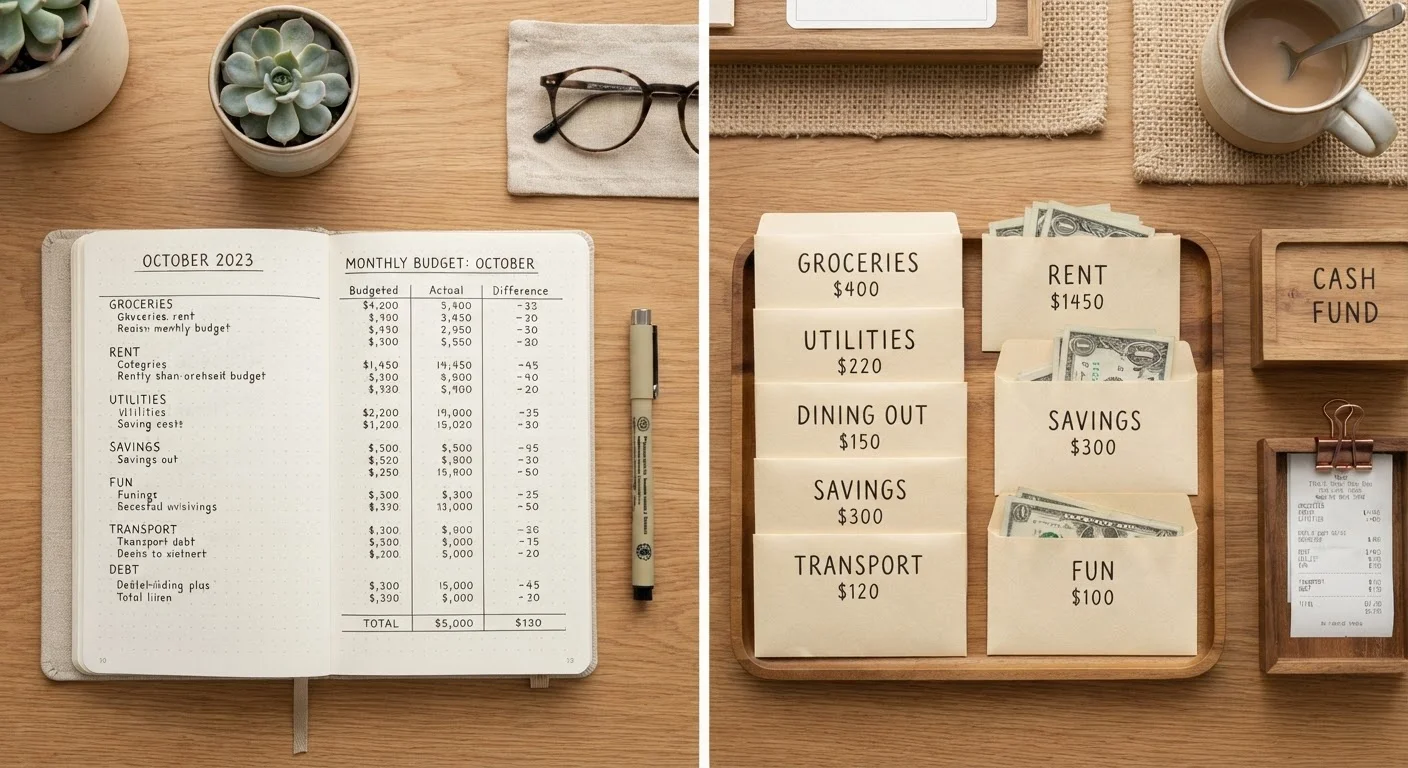
The envelope method takes a more tactile approach. You withdraw cash for each spending category and place the physical bills into labeled envelopes — one for groceries, one for gas, one for dining, and so on. When the envelope is empty, spending in that category stops for the month. The Case for Envelope Budgeting in a Digital World explores how this cash-based logic remains relevant even as payments go increasingly digital.
| Criterion | Zero-Based Budgeting | Envelope Method |
|---|---|---|
| Core Mechanism | Allocate every dollar of income to a category | Place physical cash into labeled spending envelopes |
| Setup Effort | Moderate to high — monthly planning required | Low — withdraw cash and label envelopes |
| Covers Fixed Bills | Yes — fully integrated | No — primarily discretionary spending |
| Works with Digital Payments | Yes — tool-agnostic | Limited — cash-based by design |
| Handles Irregular Income | Yes — rebuilt fresh each month | Less flexible — envelope amounts fixed at withdrawal |
| Behavioral Spending Control | Moderate — relies on checking the budget | High — empty envelope is a hard stop |
| Integrates Savings Goals | Yes — savings is a budget category | Only if a dedicated envelope is created |
| Learning Curve | Steeper — requires financial overview | Gentle — immediate and intuitive |
Effort, Flexibility, and Real-World Fit
Zero-based budgeting demands a meaningful time investment each month. You'll need to review your income, list every anticipated expense, and adjust allocations when circumstances change. For people with irregular income — freelancers, tipped workers, or those with variable hours — this monthly reset can actually be an advantage: the budget is rebuilt fresh each period rather than carrying stale assumptions forward. That said, it does require discipline and a willingness to engage with numbers regularly. For a direct comparison with another popular framework, see Zero-Based Budgeting vs. the 50/30/20 Rule.
The envelope method has a much lower setup barrier. Once you've decided on your categories and pulled cash from your account, the system essentially runs itself — you spend from the envelope, and the envelope tells you when you're done. The limitation is real, though: most bills, subscriptions, and online purchases don't accept cash, which means the method typically only governs discretionary, day-to-day spending rather than your full financial picture. A Practical Introduction to Envelope Budgeting for Home Expenses outlines how households can apply this system practically.
Digital Envelope Apps Exist
If carrying cash feels impractical, several budgeting apps replicate the envelope method digitally — allowing you to assign virtual spending limits to categories and track debit or credit transactions against them. This preserves the behavioral structure of the envelope system without requiring physical cash. However, the tactile friction of handling real money is part of what makes the classic version effective for many users, so results may vary with digital alternatives.
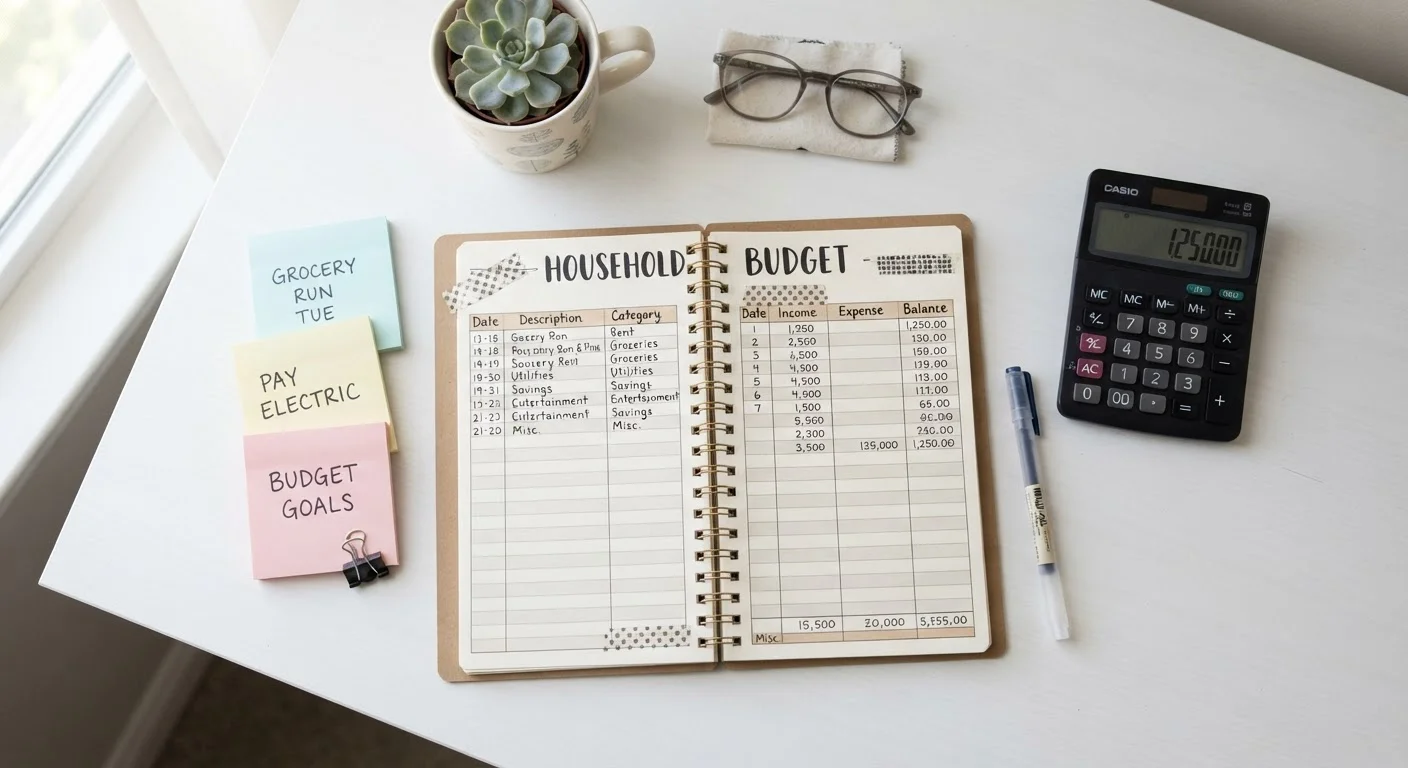
Both methods work best when paired with an appropriate tracking tool. Pen-and-Paper Budgeting vs. Spreadsheets vs. Apps can help you decide which format matches your style.
~30%
Americans with a detailed monthly budget
Gallup polling has consistently found that fewer than one in three U.S. adults maintains a detailed household budget, suggesting most people lack a formal spending plan.
2x
Likelihood of meeting savings goals with a written budget
Research from the Consumer Financial Protection Bureau (CFPB) indicates that households with a written budget are significantly more likely to report achieving their savings targets.
Strengths, Weaknesses, and Who Should Use Each
Zero-based budgeting excels at whole-picture financial awareness. Because every dollar is assigned — including contributions to savings or investment accounts — it naturally integrates long-term goals into monthly planning. It's a particularly strong fit for households working toward specific milestones: building an emergency fund, paying down debt, or eventually moving toward investing essentials. The trade-off is complexity; it can feel burdensome if your finances are relatively simple or your income is tight and predictable. For a candid look at what strict budgeting requires, see The Pros and Cons of a Strict, Detailed Budget.
The envelope method works best as a behavioral guardrail for specific spending categories where willpower tends to fail — groceries, restaurants, clothing, or entertainment. Its physical nature creates a psychological spending limit that a number on a screen rarely achieves. The downside: it doesn't naturally cover fixed expenses, savings, or digital transactions, so it's often used alongside a broader budgeting framework rather than as a standalone system.
Some people find it worthwhile to combine elements of both: using zero-based budgeting to allocate all income — including bills and savings — while relying on envelope-style limits (physical or digital) for the discretionary categories most prone to drift. This hybrid approach captures the comprehensiveness of ZBB and the behavioral friction of envelope limits, though it does require more initial setup.
This article is for general informational and educational purposes only and does not constitute personalised financial advice. Consider consulting a qualified financial professional for guidance tailored to your specific situation.