How the Store Brand Model Actually Works
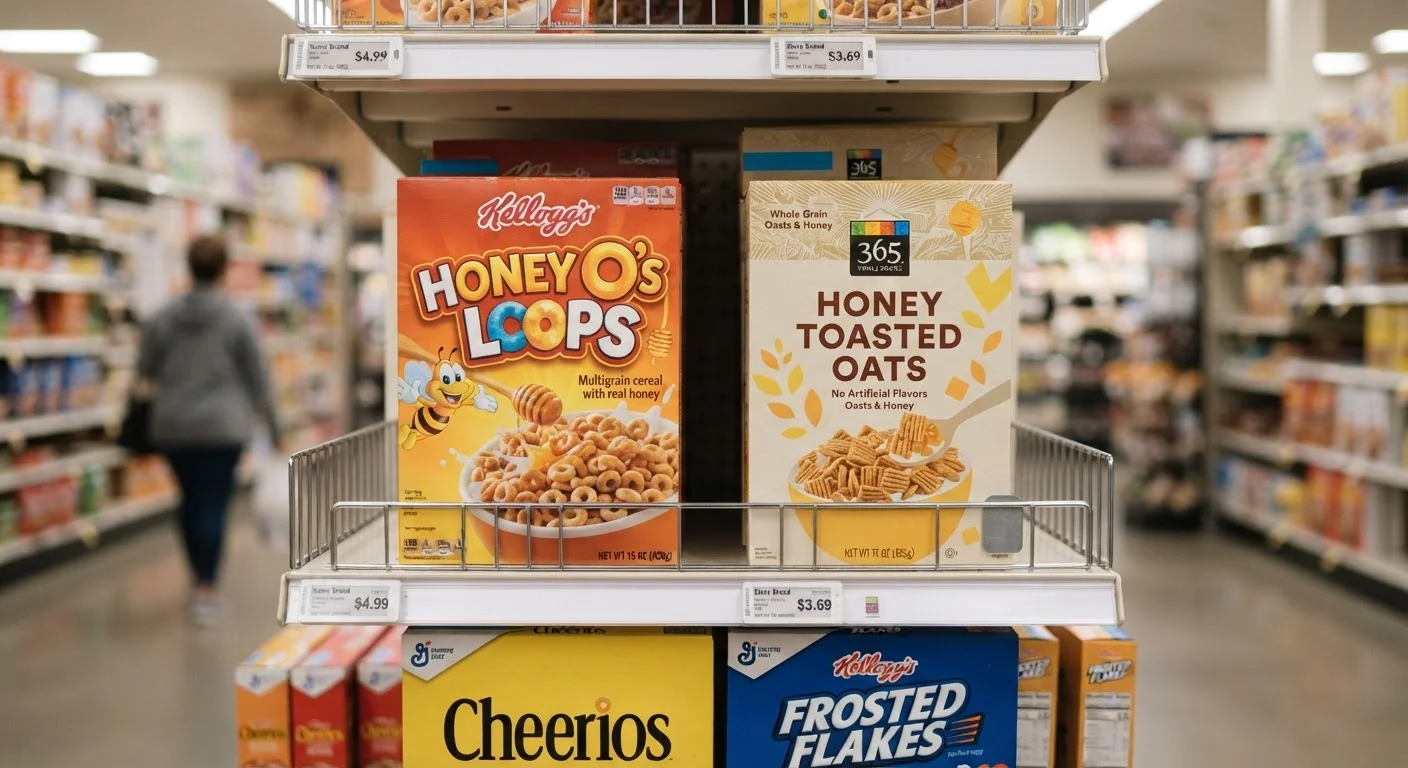
Store brands — also called private-label products — are goods manufactured and sold under a retailer's own label rather than an independent brand. What many shoppers don't realize is that a significant portion of private-label products are made in the same factories as their name-brand counterparts. A major food manufacturer may produce identical or near-identical products under a retailer's label as a secondary revenue stream.
This isn't a secret in the industry. Retailers negotiate manufacturing contracts, adjust labeling, and pass part of the cost savings to consumers — while keeping a healthy margin. The name-brand premium, in these cases, is largely paying for advertising, brand equity, and shelf positioning rather than a meaningfully different product. For a deeper look at how this works category by category, see what you're actually paying for with name brands.
| Criterion | Name Brands | Store Brands |
|---|---|---|
| Average price premium | 20–40% higher on average | Lower shelf price |
| OTC medication equivalence | Brand recognition, same active ingredient | FDA-mandated equivalence |
| Pantry staple quality | Standardized, regulated | Standardized, regulated |
| Specialty skin care | Proprietary formulas, clinical data | Variable formulation depth |
| Electronics warranty support | Established service network | Often limited or unclear |
| Manufacturing source | Brand-owned or contracted | Often same facility as name brand |
| Marketing investment | High — reflected in price | Minimal — savings passed on |
Where Store Brands Hold Up Just Fine
Certain product categories are effectively commodities — the underlying product is standardized, ingredients are regulated, or performance differences are negligible in real use. These are the areas where store brands routinely match name brands in independent testing.
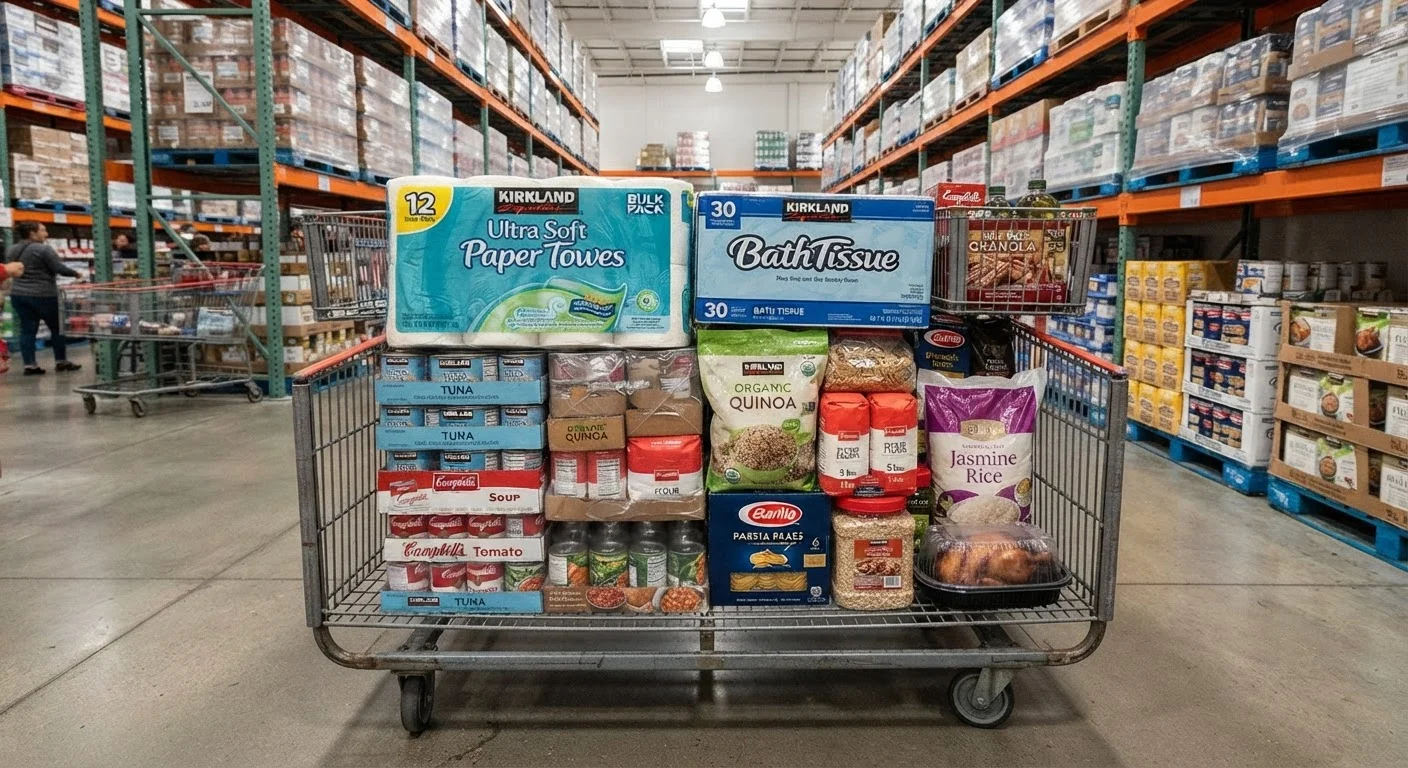
- Pantry staples: All-purpose flour, granulated sugar, white rice, canned tomatoes, and dried pasta have virtually identical compositions regardless of brand. USDA grading standards apply equally.
- OTC medications: Generic over-the-counter drugs — ibuprofen, acetaminophen, diphenhydramine — are regulated by the FDA to contain the same active ingredients at the same dosage as branded versions. The inactive ingredients (binders, fillers) may differ, but therapeutic equivalence is a regulatory requirement, not a marketing claim.
- Cleaning products: Basic household cleaners — bleach, all-purpose sprays, dish soap — compete on chemistry that is largely standardized. Consumer testing organizations have repeatedly found store-brand cleaners performing comparably to name-brand versions in head-to-head evaluations.
- Paper and plastic goods: Trash bags, paper towels, and plastic wrap vary more by thickness specification than by brand name. Checking unit weight or ply count is more useful than comparing labels.
~25%
Average store-brand price savings vs. name brands
Consumer research has consistently shown private-label products selling at roughly 20–30% below comparable name-brand items across grocery categories.
40%+
Share of U.S. grocery unit sales that are store brands
Private-label products have grown steadily as a share of U.S. grocery sales, reflecting sustained consumer confidence in store-brand quality across core categories.
Equivalent
FDA standard for generic OTC drug active ingredients
The FDA requires that OTC generic medications contain the same active ingredient, dosage form, strength, and route of administration as the branded reference product.
Where the Name-Brand Gap Is Real
Not every category is a commodity, and it would be misleading to suggest store brands always match up. There are genuine cases where the name-brand premium reflects something substantive.
- Specialty skin care and cosmetics: High-performance skin care products often involve proprietary delivery systems, patented active ingredients, or clinically validated concentrations. A store-brand retinol serum and a name-brand version may list the same ingredient but differ in formulation stability, concentration, and how the active compound is delivered to skin.
- Infant formula: While generic infant formulas must meet the same FDA nutritional requirements as name brands, ingredient sourcing, manufacturing tolerances, and recall histories vary. Parents and caregivers are best served by consulting a pediatrician rather than treating this as a pure cost decision.
- Electronics and appliances: Private-label electronics often lack the warranty infrastructure, firmware support, and parts supply chains that established brands maintain. For items you depend on daily, the brand's service network may be worth the cost difference. See our guidance on evaluating products across shopping channels for additional context.
- Specialty foods with regulated standards: Products like extra-virgin olive oil, aged cheeses, and certain spices involve quality grades and sourcing standards where price genuinely correlates with composition. Store brands in these subcategories can be excellent, but due diligence matters more.
A Note on Infant Formula and Medical Products
While generic infant formulas must meet FDA nutritional standards, and generic OTC drugs must match active ingredient requirements, individual health circumstances vary. Always consult a qualified healthcare professional — including your child's pediatrician — before switching products used for medical or nutritional purposes. This article provides general consumer information, not medical advice.
For a broader view of the research behind these patterns, the analysis at what the research actually shows about store brands vs. name brands is worth reviewing alongside this piece.
A Practical Framework for Deciding
The most efficient way to approach this isn't brand loyalty — it's category literacy. Ask three questions before defaulting to either option:
- Is this product regulated or standardized? If yes (OTC drugs, basic foods, commodity chemicals), store brands almost always deliver equivalent value.
- Does the formulation or technology matter for my specific need? If the active ingredient concentration, material grade, or proprietary design affects real-world performance, investigate further rather than assuming equivalence.
- What is the cost of a mistake? For low-stakes, frequently replaced items, trial-and-error with store brands is low risk. For items where a failure causes meaningful inconvenience or cost — an appliance motor, a medical product — spend more time evaluating before switching.
Shoppers who apply this kind of category-level thinking tend to save meaningfully on commodity purchases while maintaining quality where it actually counts. That's a more durable strategy than blanket brand loyalty or blanket rejection of name brands. For more on building this kind of decision-making approach, explore smart shopping principles for everyday purchases.