Why Most Storage Systems Fail
Homes accumulate clutter not because their occupants are disorganized, but because the storage they have doesn't match how the household actually operates. A beautifully styled storage ottoman in the living room does nothing if the family's natural habit is to drop things in the hallway. A kitchen pantry with deep shelves creates a black hole for items that rarely see daylight.
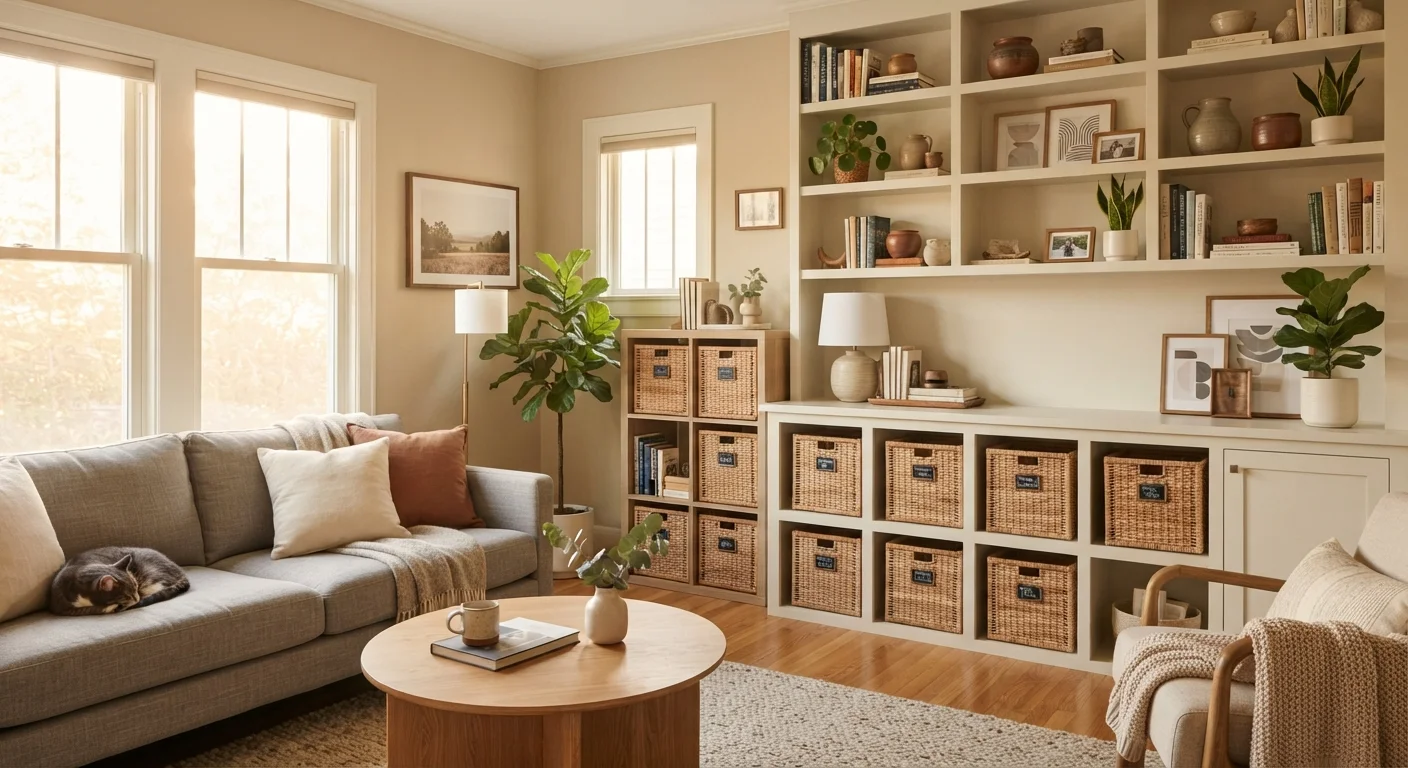
Functional storage is a design problem as much as an organizational one. The goal isn't to contain everything neatly — it's to make the right things easy to put away and easy to find. That requires understanding traffic patterns, retrieval habits, and the actual volume of items each area needs to handle. See our guide to storage approaches by room type for a breakdown of which systems work best where.
Building a Storage System Around How You Live
Before choosing a single bin or shelf, the most productive step is observation. Where do items consistently pile up? Which areas feel chaotic despite attempts to tidy them? Those friction points are signals — they indicate where your current storage isn't aligned with how the space is actually used.
Audit your belongings before buying any storage system.
Purchasing bins, shelves, or organizers before knowing what needs to be stored almost always results in mismatched sizes or wasted capacity. A clear-eyed inventory prevents over-buying and ensures storage is scaled to actual need.
Design storage around traffic patterns, not just room aesthetics.
Where things get put down is where storage belongs. Fighting natural habit — like dumping keys and bags at the entry — leads to constant tidying rather than permanent order.
Use vertical space deliberately in high-traffic rooms.
Floor space in kitchens, bathrooms, and small bedrooms is almost always at a premium. Walls and the space above eye level are frequently wasted. Tall shelving or stackable units can double effective storage without expanding the room's footprint.
Choose adjustable and modular systems over fixed furniture where possible.
Households change — children grow, hobbies shift, new items arrive. Shelving units with movable brackets or modular cubes that reconfigure adapt over time without requiring replacement.
Assign every category of item a dedicated zone, not just a container.
Containers without a defined home drift. Assigning a specific zone — a cabinet, a drawer section, a shelf row — to a category of items creates a returning point that everyone in the household can follow.
Factor in retrieval frequency when placing items in storage.
Items used daily should be the easiest to access; rarely used items can occupy harder-to-reach spots. Placing seasonal décor at eye level while daily cookware sits in deep cabinets is a common mismatch that causes friction every day.
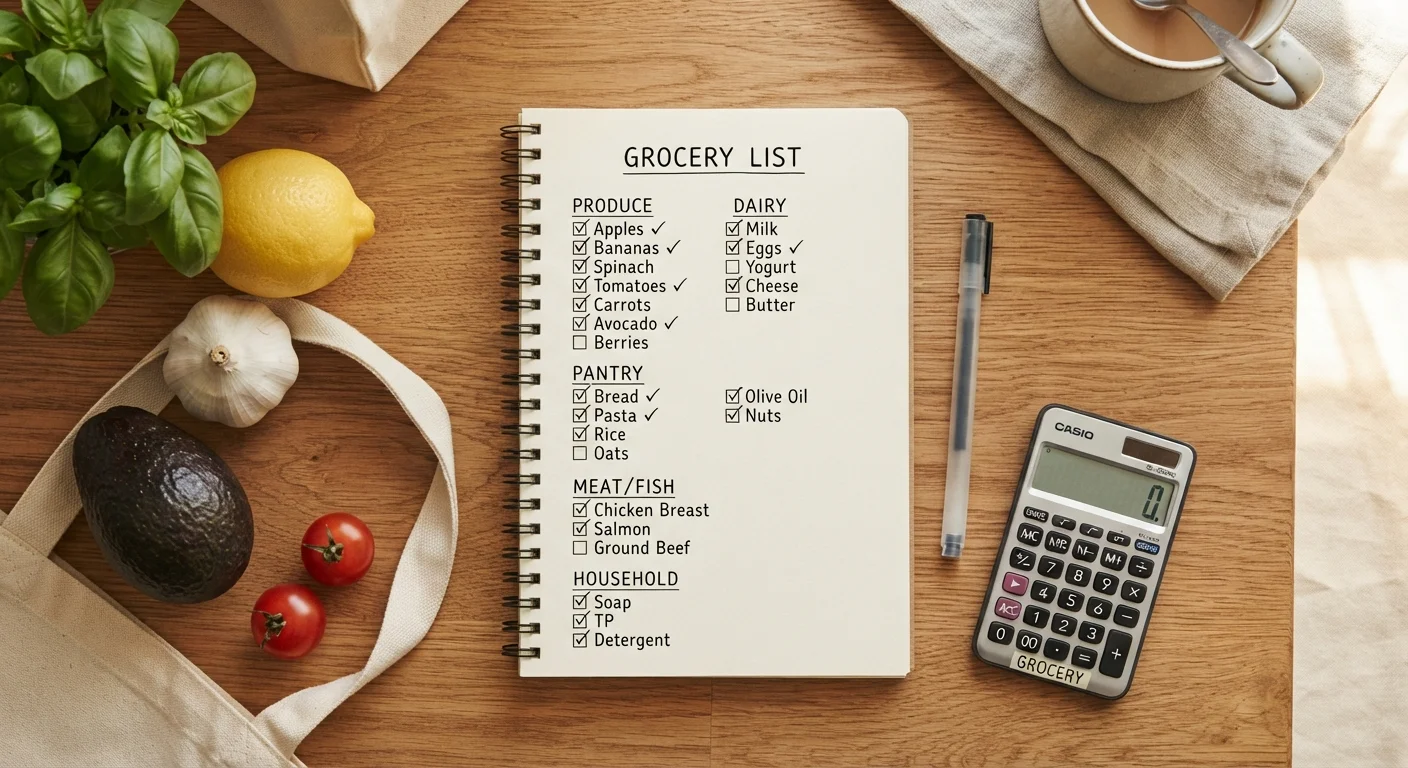
If your household includes multiple people managing shared costs, it also helps to align on how much to spend on storage upgrades. The practical approaches to shared household budgeting can make these conversations easier before you commit to larger organizational investments.
Putting It Into Practice: Where to Start
Once you understand the principles, the challenge becomes prioritizing. Most households have two or three rooms where storage genuinely breaks down — and fixing those spaces first delivers the most immediate impact on daily life.
For those setting up a new space entirely, a room-by-room essentials inventory can help identify where storage is needed before furniture decisions are made. Getting the sequence right — assess needs, then shop — saves both money and frustration. If budget is a concern, strategies for stretching your household budget can help you prioritize which storage upgrades matter most.
Storage Costs Add Up Quickly
Shelving units, drawer organizers, and container systems can represent a meaningful household expense, especially when outfitting multiple rooms at once. It's worth reviewing which home items are worth spending more on before committing to premium storage products. In most cases, durability and adjustability matter more than brand or finish.
This article provides general organizational guidance for informational purposes only. Product suitability will vary depending on individual home layouts, household size, and specific storage needs.