
Why Health Insurance Terminology Matters
Reading a health insurance policy can feel like reading a foreign language. Terms like actuarial value, formulary, and subrogation appear in documents that affect your wallet and your care — but almost no one explains them up front. This glossary changes that.
The 40 terms below are the ones you're most likely to encounter when enrolling in a plan, filing a claim, or disputing a bill. For a fuller walkthrough of how plans actually work, see our plain-English health insurance guide. If you're brand new to coverage, Health Insurance Decoded is a useful companion. Terms that look alike but work differently are covered separately in Health Insurance Terms That Sound Similar.
Actuarial Value
The percentage of total covered medical costs a plan pays on average across all enrollees. A plan with 70% actuarial value pays roughly 70 cents of every covered dollar; you pay the rest through deductibles, copays, and coinsurance.
Allowed Amount
The maximum a plan will pay for a covered service, also called the negotiated rate or eligible expense. If a provider charges more than the allowed amount and is out-of-network, you may owe the difference.
Balance Billing
When an out-of-network provider bills you for the gap between their charge and your plan's allowed amount. Federal and some state laws now limit balance billing in many situations.
Benefit Period
The span of time during which coverage counts toward your deductible and out-of-pocket maximum — typically a calendar year. Once the period resets, your accumulations start over.
Coinsurance
Your share of costs for a covered service after you've met your deductible, expressed as a percentage. If your plan has 20% coinsurance and a covered service costs $200, you pay $40 and the plan pays $160.
Copay (Copayment)
A fixed dollar amount you pay for a specific covered service at the time of care — for example, $30 for a primary care visit. Copays may or may not count toward your deductible, depending on the plan.
Deductible
The amount you pay out of pocket for covered services before your insurance begins sharing costs. If your deductible is $1,500, you pay the first $1,500 of covered expenses each benefit period.
EOB (Explanation of Benefits)
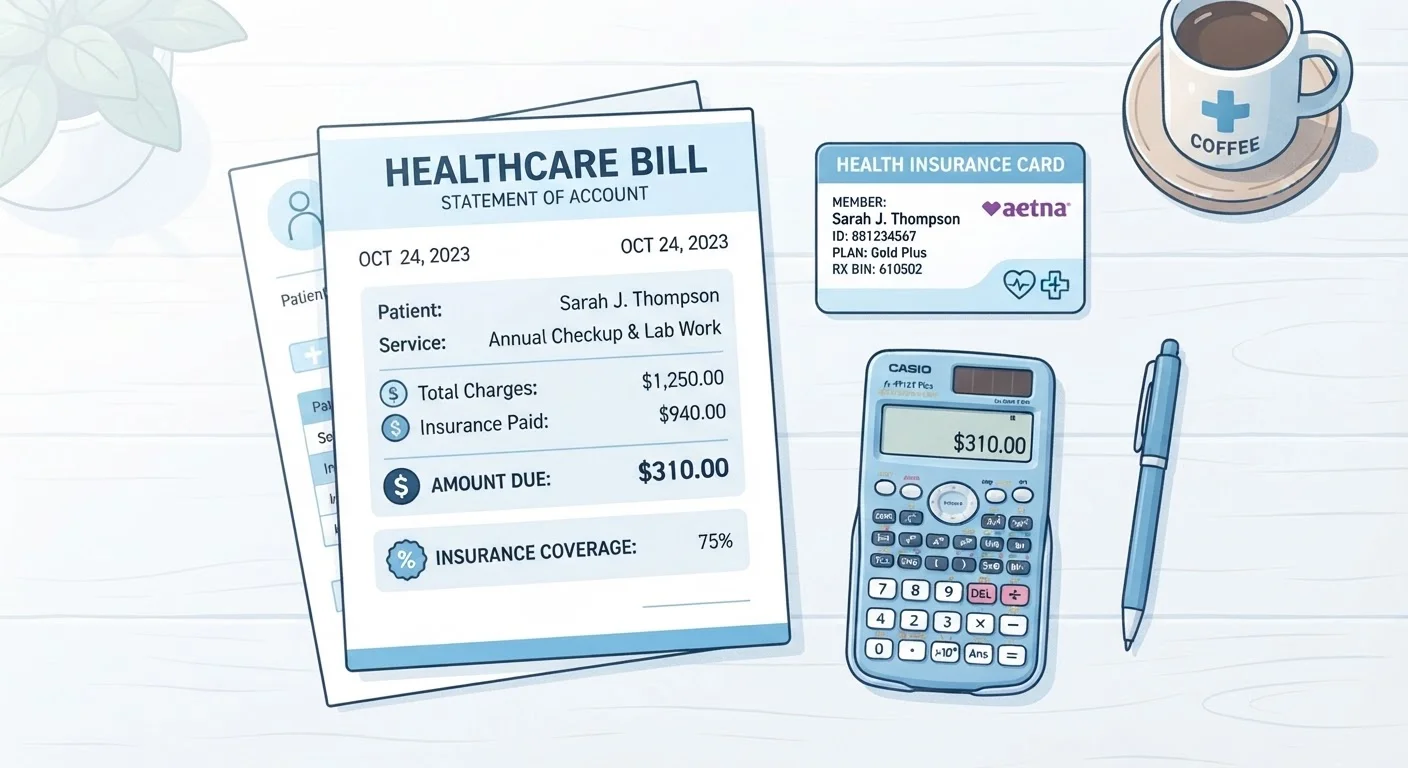
A statement from your insurer — not a bill — showing what was billed, what the plan paid, and what you owe after a claim. Review EOBs carefully to catch billing errors.
Formulary
Your health plan's list of covered prescription drugs, organized into tiers that determine your cost. Drugs not on the formulary are typically not covered or require a prior authorization exception.
Grandfathered Plan
A health plan that existed before the Affordable Care Act's enactment and has not changed significantly since. These plans are exempt from some ACA requirements but must still meet others.
In-Network
Providers or facilities that have a contract with your health plan and agree to negotiated rates. Using in-network care generally costs you less than going out-of-network.
Out-of-Pocket Maximum
The most you'll pay for covered services in a benefit period. After you hit this cap, your plan pays 100% of covered costs for the rest of that period. Premiums do not count toward the out-of-pocket maximum.
Premium
The fixed monthly amount you pay to maintain your health insurance coverage, regardless of whether you use any services that month. Employer-sponsored plans often split this cost between employer and employee.
Prior Authorization
Advance approval required from your insurer before you receive certain services, procedures, or medications. Without it, the plan may deny or reduce payment even for otherwise covered care.
Utilization Review
A process insurers use to evaluate whether a proposed or ongoing course of treatment is medically necessary and appropriate. It can occur before (prior authorization), during (concurrent review), or after care (retrospective review).
This article is for general informational purposes only and does not constitute insurance, financial, legal, or medical advice. Coverage terms, definitions, and rules vary by plan and state. Always read your actual policy documents and consult a licensed insurance professional for guidance specific to your situation.
Key Figures to Know Before You Compare Plans
Before you can decode a specific term, it helps to understand the numbers that define how much a plan actually costs you. The glossary entries above establish the vocabulary; these statistics show why each dollar figure on a plan summary sheet deserves your attention.
83%
Workers enrolled in employer plans with a deductible
According to KFF's 2023 Employer Health Benefits Survey, the vast majority of employer-sponsored plan enrollees face a general annual deductible.
$1,735
Average individual deductible in employer-sponsored plans
KFF Employer Health Benefits Survey, 2023, reflecting average deductibles for single-coverage plans with a deductible.
~1 in 7
Insurance claims initially denied
KFF analysis of ACA Marketplace plan data found that roughly one in seven in-network claims were denied, underscoring the importance of understanding appeals rights.
$23,968
Average annual family health insurance premium
KFF Employer Health Benefits Survey, 2023, covering total employer plus employee contribution for family coverage.
Plans with lower premiums often shift costs elsewhere — through higher deductibles, narrower networks, or less generous actuarial value. Understanding each term in isolation isn't enough; they interact. A plan with a low monthly premium but a high out-of-pocket maximum, for instance, can leave you significantly exposed in a bad health year. For context on how insurance terminology compares across policy types, see our general insurance glossary and the life insurance glossary. You can also browse broader coverage concepts through our Auto & Home Insurance hub and the Life & Other Insurance hub.
| Metal tier with highest actuarial value | Platinum (approx. 90%) (ACA metal tier framework) |
| ACA out-of-pocket maximum (individual, 2024) | $9,450 (CMS, 2024 ACA parameters) |
| Typical HSA-eligible plan deductible minimum (individual) | $1,600 (IRS, 2024 HDHP thresholds) |
| Open enrollment window (Marketplace plans) | Nov 1 – Jan 15 (most states) (HealthCare.gov, plan year 2024) |
| Grace period for premium payment (subsidized plans) | 90 days (ACA regulations) |
| Appeals deadline (internal appeal) | 180 days from denial notice (ACA patient protections) |