Why Birds Aren't the 'Easy' Pet Many People Expect
Birds are often marketed as low-maintenance pets — smaller than a dog, quieter than a child, easy to house in a cage. For many first-time owners, reality arrives quickly. Birds are highly social, cognitively complex animals, and their welfare depends on conditions that go far beyond food and water.
That said, the rewards are genuine. People who go in with realistic expectations frequently describe their birds as among the most engaging companions they've ever had. This guide lays out both sides honestly, so you can decide whether bird ownership fits your household before a living animal is involved.
If you're still weighing which species to start with, see our guide to parakeets vs. cockatiels — two of the most beginner-friendly options available.
Form genuine, lasting bonds with their owners
Many bird species — especially parrots and cockatiels — recognize individual people, seek out interaction, and show clear signs of affection. This bond can deepen meaningfully over years of consistent contact.
Require less physical space than dogs or cats
A well-sized cage and a designated out-of-cage area can fit comfortably in apartments or smaller homes, making birds viable for urban dwellers who can't keep larger animals.
Highly intelligent and capable of learning
Parrots in particular can learn words, contextual phrases, and problem-solving tasks. This cognitive engagement makes daily interaction genuinely stimulating for both bird and owner.
No outdoor exercise requirements
Unlike dogs, birds don't need walks, outdoor time, or yard access — a meaningful practical advantage for owners with mobility limitations or irregular schedules.
Relatively allergy-friendly compared to fur-bearing pets
While bird dander can affect some people, birds don't shed fur, which reduces one common allergen source for households sensitive to cats or dogs.
The Real Challenges Bird Owners Face
The most commonly underestimated challenge isn't the cage cleaning — it's time. Parrots and cockatiels, in particular, are flock animals that expect social interaction daily. A bird left alone for long stretches will often develop stress behaviors: feather-plucking, repetitive calling, or aggression. These aren't behavior problems so much as welfare signals.
Noise is the second shock. Even "quiet" species like budgies produce consistent chirping that some households find disruptive. Larger parrots can be heard rooms away and may vocalize early in the morning or at dusk regardless of your schedule.
Diet is another area where well-meaning owners cause unintentional harm. Seed-only diets, which look natural and are widely sold, are nutritionally incomplete for most companion birds. Our article on small pet nutrition myths covers why seed-heavy feeding is more harmful than most owners realize.
Noise levels frequently exceed owner expectations
Even small birds like budgies chirp consistently throughout the day. Larger parrots can produce calls loud enough to disturb neighbors, making them problematic in apartments with thin walls.
Require daily social interaction — not optional
Birds are flock animals by nature. Isolation without adequate interaction leads to stress behaviors including feather-destructive behavior, repetitive movements, and persistent screaming.
Lifespan creates decades-long responsibility
Many companion birds live 15–50+ years. Owners must plan for a commitment that may span major life changes including moves, career shifts, and family transitions.
Avian veterinary care is specialized and not always accessible
Not all veterinary practices treat birds. Finding a qualified avian vet, especially in rural areas, can be difficult, and specialized care tends to cost more than routine small-animal visits.
Produce significant mess despite their small size
Birds scatter seed husks, drop feathers and dander, and fling food well outside their cages. Daily spot-cleaning and regular deep-cleaning are a consistent time requirement.
Diet requirements are more complex than commonly known
Most companion birds need a varied diet including fresh vegetables, pellets, and limited fruit — not just seeds. Nutritional deficiencies from seed-heavy diets are a leading cause of preventable illness.
Lifespan and Long-Term Commitment
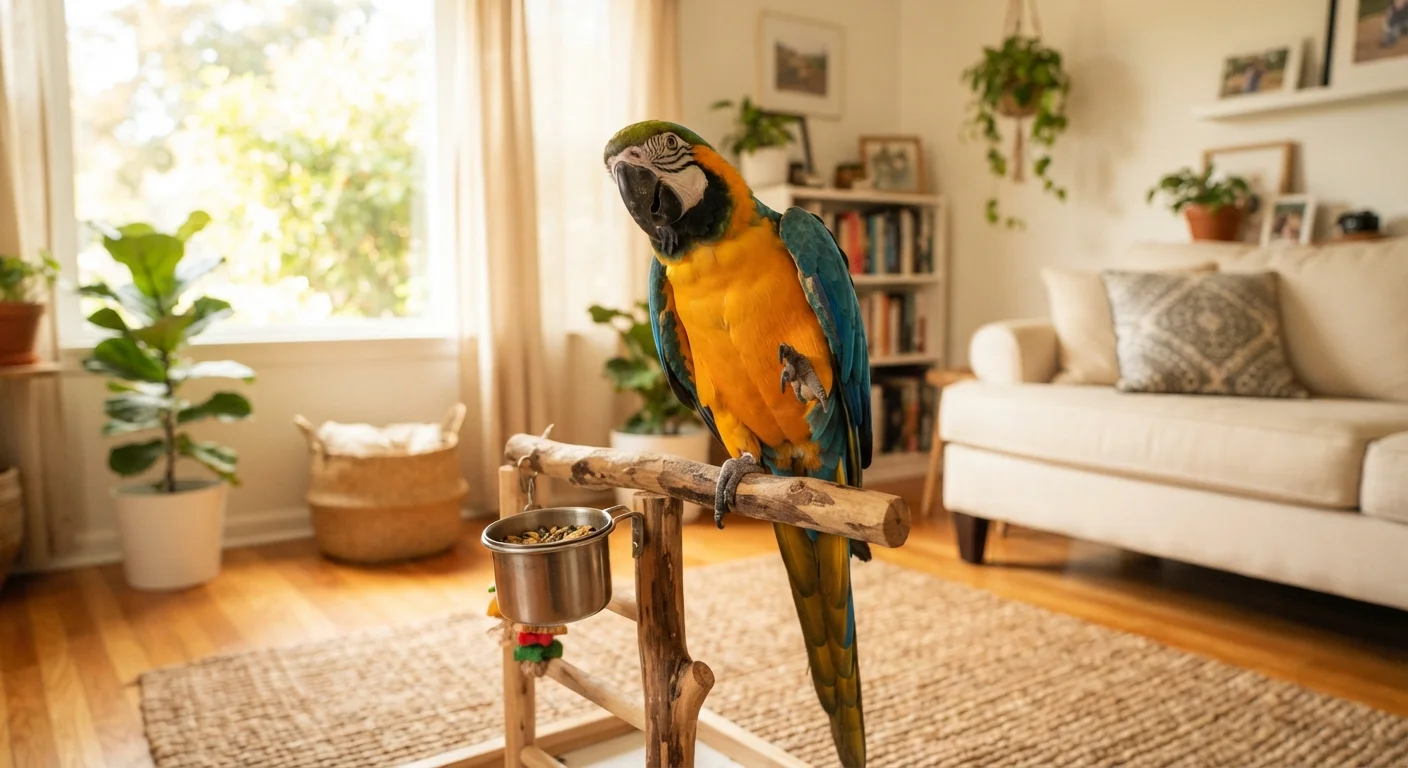
Few aspects of bird ownership surprise people more than longevity. A budgie typically lives 7–12 years with good care. Cockatiels average 15–20 years. Medium parrots like conures can reach 25–30 years, while large species such as macaws and cockatoos have documented lifespans of 50–80+ years.
This means adopting a parrot in your 30s is, in very practical terms, a lifetime decision. Estate planning for a long-lived bird is not unusual — rescue organizations regularly receive birds whose owners passed away or could no longer provide care.
Planning for a Bird That Outlives You
Long-lived bird species — particularly large parrots — may survive their original owners. Rescue organizations and avian welfare groups recommend that owners of long-lived species include provisions in their estate plans for the bird's ongoing care. This is not an edge case; it's a routine consideration for anyone adopting a macaw, cockatoo, or African grey.
For a deeper overview of what daily and long-term bird care actually involves, our comprehensive guide on caring for a pet bird covers nutrition, cage environment, socialization, and health monitoring across species.
Enrichment, Intelligence, and the Joy of Bird Ownership
Birds — especially psittacines (the parrot family) — are among the most cognitively capable animals kept as pets. Many can learn words and context, solve puzzle feeders, and recognize individual humans by face and voice. This intelligence is part of what makes them such rewarding companions, and it's also exactly why boredom becomes a welfare issue so quickly.
Foraging toys, rotating perches, varied textures, and regular out-of-cage time all contribute to a bird's psychological wellbeing. Our article on enrichment for small pets explains what meaningful mental stimulation actually looks like in practice.
15–20 years
Average lifespan of a pet cockatiel
According to general veterinary guidance, cockatiels with proper care routinely live 15–20 years, far outlasting the expectations of many first-time owners.
~700 species
Parrot species in the psittacine family
The parrot order (Psittaciformes) encompasses roughly 700 species, ranging from small budgerigars to large macaws, each with distinct social and dietary needs.
For families considering a bird alongside or instead of a dog or cat, it's worth understanding that the care models are genuinely different — see our dog care hub and cat care hub for comparison. Birds don't replace those relationships; they offer something distinct.
This article is for general informational purposes only. For guidance on your specific bird's health, diet, or behavior, consult a qualified avian veterinarian.