Understanding What Pet Birds Actually Need
Birds are among the most underestimated pets in terms of care complexity. Many new owners assume a cage, food, and water are enough — but birds are intelligent, social animals with physical and psychological needs that go well beyond basic husbandry. Understanding those needs before bringing a bird home sets the foundation for a genuinely healthy, happy animal.
The care demands vary significantly by species. A budgie (parakeet) has different noise levels, socialization requirements, and lifespans compared to a cockatiel or a finch. For a closer look at how common beginner species compare, see how budgies, cockatiels, and finches stack up for indoor keeping. And if you're still deciding between two popular starter birds, parakeet vs. cockatiel breaks down which may suit your home better.
At a minimum, every pet bird needs: a correctly sized and positioned cage, a varied and nutritionally complete diet, daily social interaction, mental enrichment, and routine veterinary oversight from an avian-experienced vet.
~20 years
Average lifespan of a cockatiel in captivity
Lifespans vary by species and care quality; some larger parrots can live 50+ years, underscoring the long-term commitment of bird ownership.
70–80%
Recommended proportion of diet from pellets for many species
Many avian veterinary organizations suggest pellets make up the majority of a bird's diet, with fresh foods and seeds as supplements.
2x daily
Minimum fresh food offering frequency
Fresh fruits and vegetables should be offered and removed within a few hours to prevent bacterial growth in the food dish.
Nutrition: Beyond the Seed Cup
One of the most common and consequential mistakes in bird ownership is relying on seeds as the primary diet. Seeds are high in fat and low in many essential vitamins and minerals. A seed-only diet is linked to obesity, fatty liver disease, and shortened lifespans in many species. For a broader look at this issue across small pets, see small pet nutrition myths that quietly harm animals.
A well-balanced bird diet typically includes:
- Pellets: Formulated pellets are recommended by most avian veterinarians as a dietary base, providing consistent, complete nutrition.
- Fresh vegetables: Dark leafy greens (like kale, romaine, and spinach in moderation), bell peppers, carrots, and squash are generally well-tolerated and nutrient-rich.
- Fresh fruits: Offered in small amounts due to natural sugar content. Berries, melon, and apple (seeds removed) are common choices.
- Seeds and nuts: Best used as occasional treats rather than dietary staples.
When transitioning a seed-dependent bird to pellets, mix pellets gradually into the seed bowl over several weeks rather than switching abruptly — a sudden change can cause a bird to refuse to eat.
Birds can be highly resistant to dietary change; a gradual approach reduces the risk of nutritional stress while the bird adapts.
Offer new foods in the morning when birds are hungriest — they're far more likely to try something unfamiliar when appetite is strongest.
Timing of food introduction is a commonly overlooked factor; hunger is a practical motivator that helps build dietary variety over time.
Foods to always avoid include avocado, chocolate, onion, garlic, caffeine, and alcohol — all of which are toxic to birds. Fruit seeds and pits (apple, cherry, peach) should also be removed before offering fruit.
This article provides general information for educational purposes. Consult an avian veterinarian for dietary guidance specific to your bird's species, age, and health status.
Cage Setup and Environment
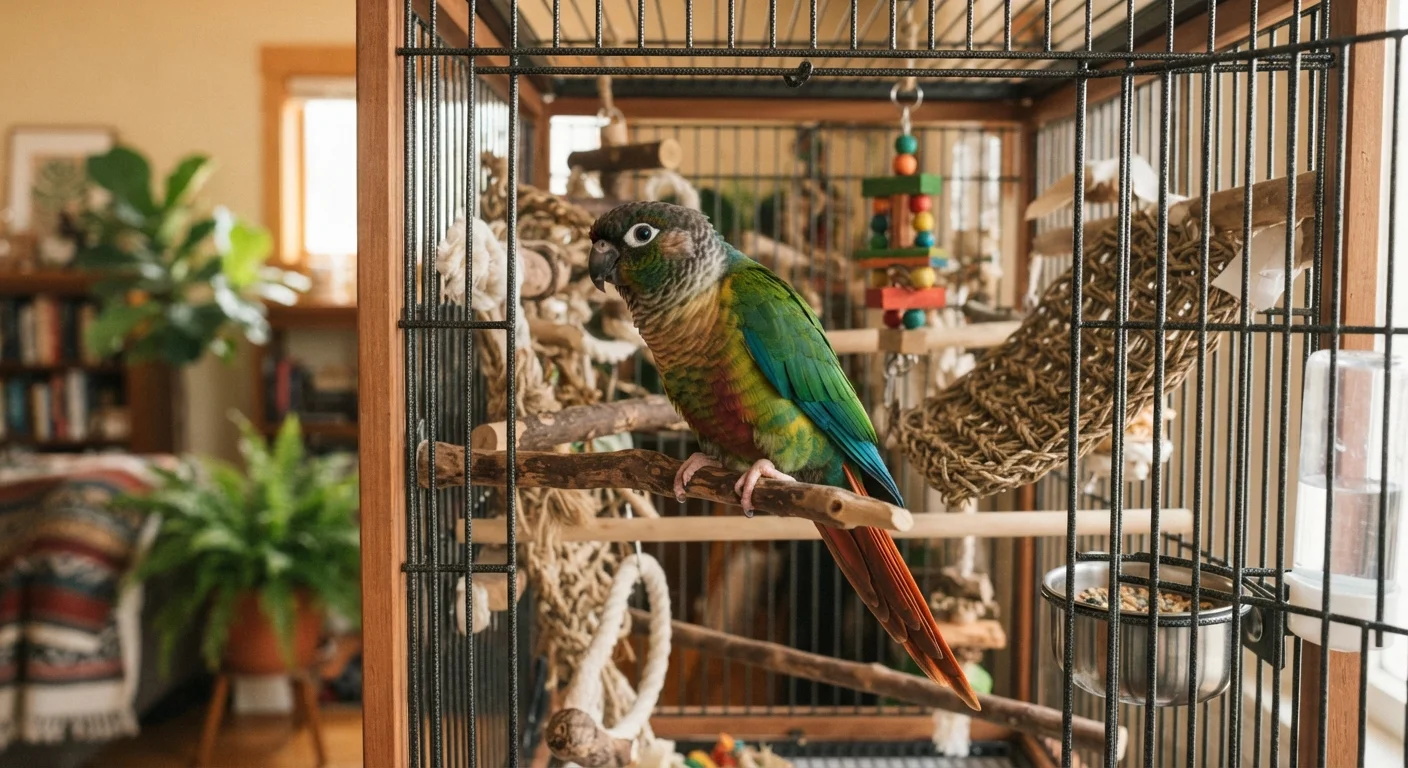
The cage is your bird's primary living space, and getting it right matters for both physical safety and psychological wellbeing. Bigger is almost always better — the minimum cage size for any bird should allow it to fully extend its wings without touching the sides. For small birds like budgies, a cage that is wider than it is tall gives better flight room.
Non-Stick Cookware Is a Serious Hazard
Polytetrafluoroethylene (PTFE), the coating in many non-stick pans, releases fumes when overheated that can kill birds rapidly. This is not a minor risk — even a single cooking incident in a nearby room has caused bird deaths. Birds should never be kept in or near kitchens where non-stick cookware is used.
Key cage environment considerations include:
- Bar spacing: Bars should be spaced appropriately for the bird's size — too wide and a small bird can get its head stuck; too narrow limits adequate ventilation.
- Perch variety: Offer perches of different diameters and textures (wood, rope, natural branch) to prevent foot problems. Avoid sandpaper perch covers, which can abrade feet.
- Placement: Position the cage at eye level or slightly below, away from kitchen fumes, drafts, and direct sun exposure for extended periods. Birds in kitchens are at risk from non-stick cookware fumes (PTFE/Teflon), which can be rapidly fatal.
- Cleaning: Cage bottoms should be cleaned at minimum every one to two days. Full cage cleaning should occur weekly.
The cage environment should feel safe — not isolated. Placing it in a room where family activity happens helps birds stay socially engaged without being overwhelmed.
Mental Stimulation and Socialization
Boredom is a genuine welfare concern for pet birds — not just an inconvenience. Birds deprived of stimulation may develop feather-destructive behaviors, excessive screaming, or repetitive movements. These are signs of psychological distress, not personality quirks. For a wider view of how enrichment applies across small pets, enrichment for small pets is a useful companion read.
Effective enrichment strategies include:
- Foraging toys: Hide food inside puzzle toys or wrap treats in paper — birds that work for food are mentally engaged and less likely to develop problem behaviors.
- Rotation: Rotating toys in and out of the cage prevents habituation. A bird that always sees the same toys will eventually ignore them.
- Out-of-cage time: Most social species (parrots, cockatiels, budgies) benefit from daily supervised time outside the cage to explore and interact.
- Companion birds: Species that are highly social in the wild — like finches and budgies — often thrive with a same-species companion, especially if the owner has limited daily interaction time.
“Parrots and other intelligent birds need their minds exercised just as much as their bodies. Without adequate enrichment, problem behaviors become almost inevitable — they're a symptom, not a character flaw.”
— Dr. Susan Orosz, Board-certified avian veterinarian and animal behavior specialist
The rewards and responsibilities of bird ownership article covers this socialization dimension honestly, including the time commitment many first-time owners underestimate.
Monitoring Your Bird's Health
Birds instinctively mask illness — a survival trait that makes early detection challenging for owners. By the time a bird looks obviously sick, it may already be significantly unwell. This is why behavioral observation is just as important as physical signs.
Birds Hide Illness Until It's Advanced
Because birds instinctively conceal signs of weakness, a bird that appears healthy may already be seriously ill. Do not wait to see if symptoms resolve on their own — if you notice behavioral changes or physical signs outside the norm, contact an avian veterinarian promptly. Early intervention significantly improves outcomes.
Signs that warrant prompt veterinary attention include:
- Fluffed feathers held for extended periods (not just during sleep or preening)
- Loss of appetite or changes in droppings (color, consistency, volume)
- Discharge from the eyes or nares (nostrils)
- Labored or noisy breathing
- Unusual lethargy or loss of balance
- Feather destruction or significant changes in vocalization patterns
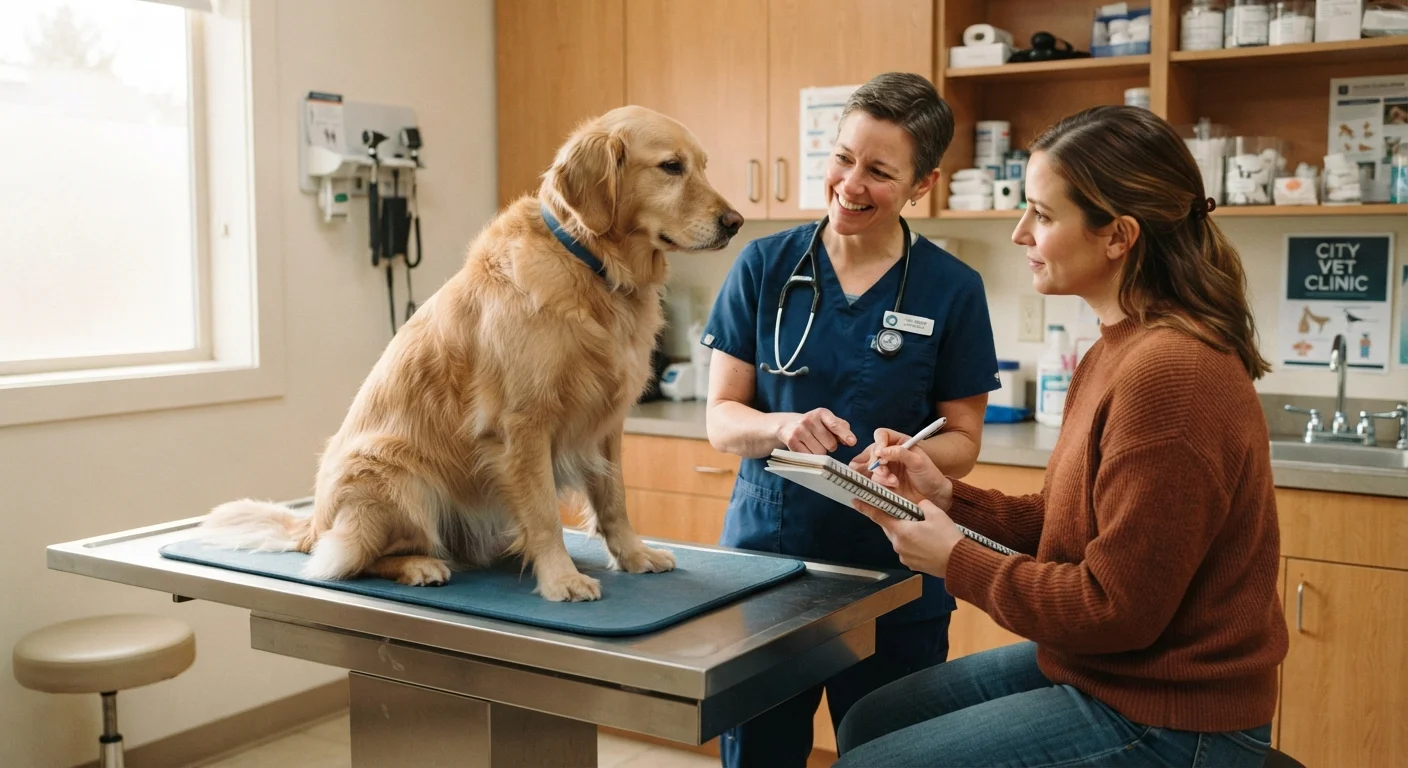
Routine veterinary checkups with an avian-experienced veterinarian — ideally annually — are the most reliable way to catch problems before they become serious. Not all general practice vets have avian expertise, so identifying an avian vet before your bird needs emergency care is strongly advised.
At home, weigh your bird weekly on a gram-accurate scale. Gradual weight loss often precedes visible illness by days or weeks. Keeping a simple log makes it easier to identify trends.
This article is for general informational purposes only and does not constitute veterinary advice. Always consult a qualified avian veterinarian for concerns about your bird's health or nutrition.