Why Dress Codes Still Matter
Dress codes haven't disappeared — they've just gotten more confusing. Where a generation ago you might have received a clear "black tie" or "business formal" instruction, today's invitations and office handbooks often say things like "smart casual" or "elevated casual" without further explanation. That ambiguity leaves a lot of people guessing.
Getting the dress code right isn't about impressing anyone or following arbitrary rules. It's about reading the room, respecting the occasion, and showing up feeling confident rather than conspicuous. Whether you're heading to a job interview, a wedding, or a company happy hour, having a reliable mental map of what each code actually means saves time, money, and stress.
For a broader foundation — including fit, color, and building a flexible wardrobe — see the complete starting point for everyday style.
| Most common office dress code in the U.S. | Business casual (Society for Human Resource Management, general industry surveys) |
| Number of recognized mainstream dress code tiers | Approximately 6 (from casual to black tie) (Style and etiquette references, general consensus) |
| Safe default when code is unclear | Dress one level more formal than you think necessary (General etiquette guidance) |
| Most misunderstood code | Smart casual — often confused with business casual (Style editorial consensus) |
The Dress Code Spectrum, Explained
Think of dress codes as a sliding scale from most to least formal. Here's how each tier typically breaks down in everyday American contexts:
Black Tie
The most formal standard for civilian events. Typically means a floor-length gown or formal separates for women, and a tuxedo or dinner jacket for men. Reserved for galas, formal weddings, and upscale charity events.
Cocktail / Semi-Formal
A step below black tie. Knee-length or midi dresses, dressy separates, or a dark suit are standard. Common at evening weddings, corporate galas, and upscale dinner parties.
Business Formal
Traditional professional attire: tailored suits, button-down shirts, conservative ties, and polished closed-toe shoes. Expected in law, finance, and formal corporate environments.
Business Casual
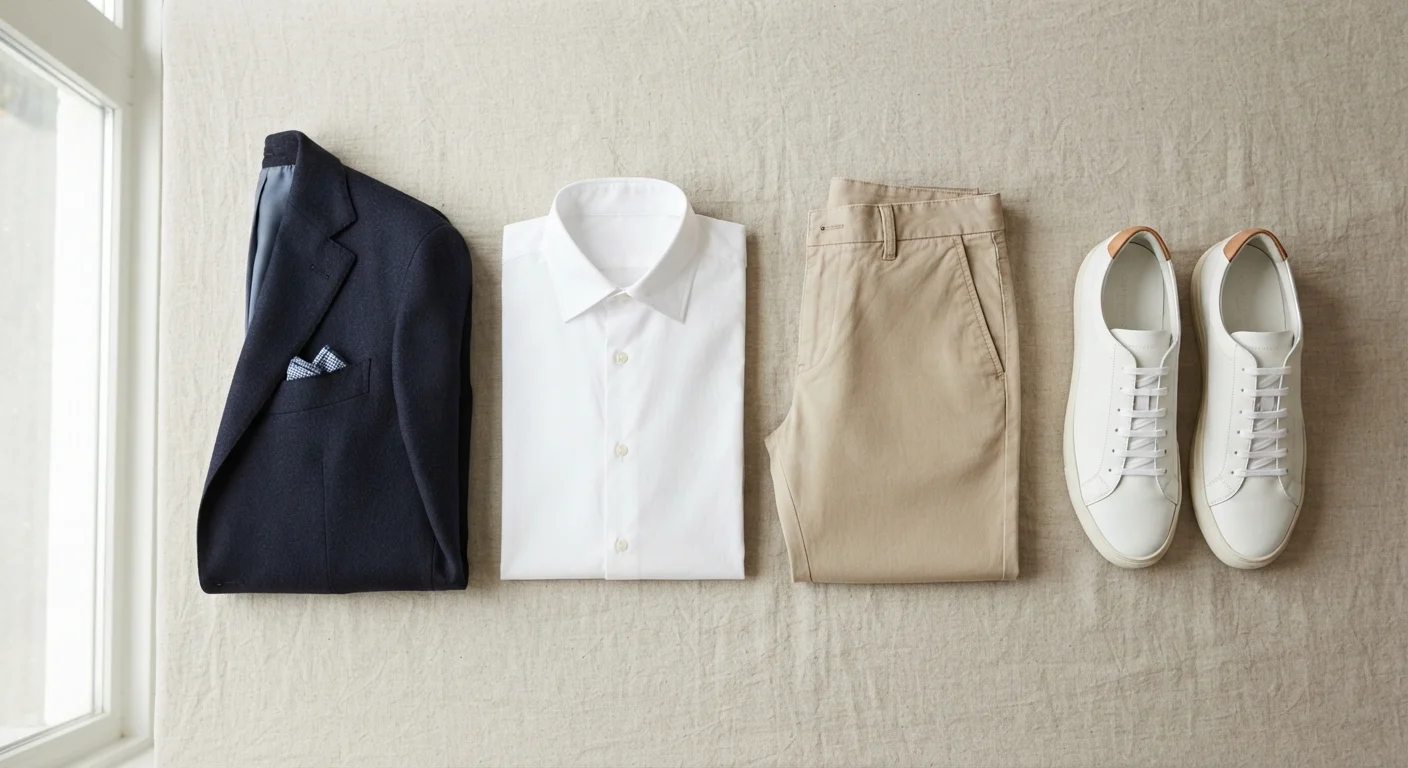
Professional but less rigid than business formal. Typically includes chinos or dress trousers, collared shirts or blouses, blazers, and leather or leather-look shoes. Jeans are usually not included unless explicitly noted.
Smart Casual
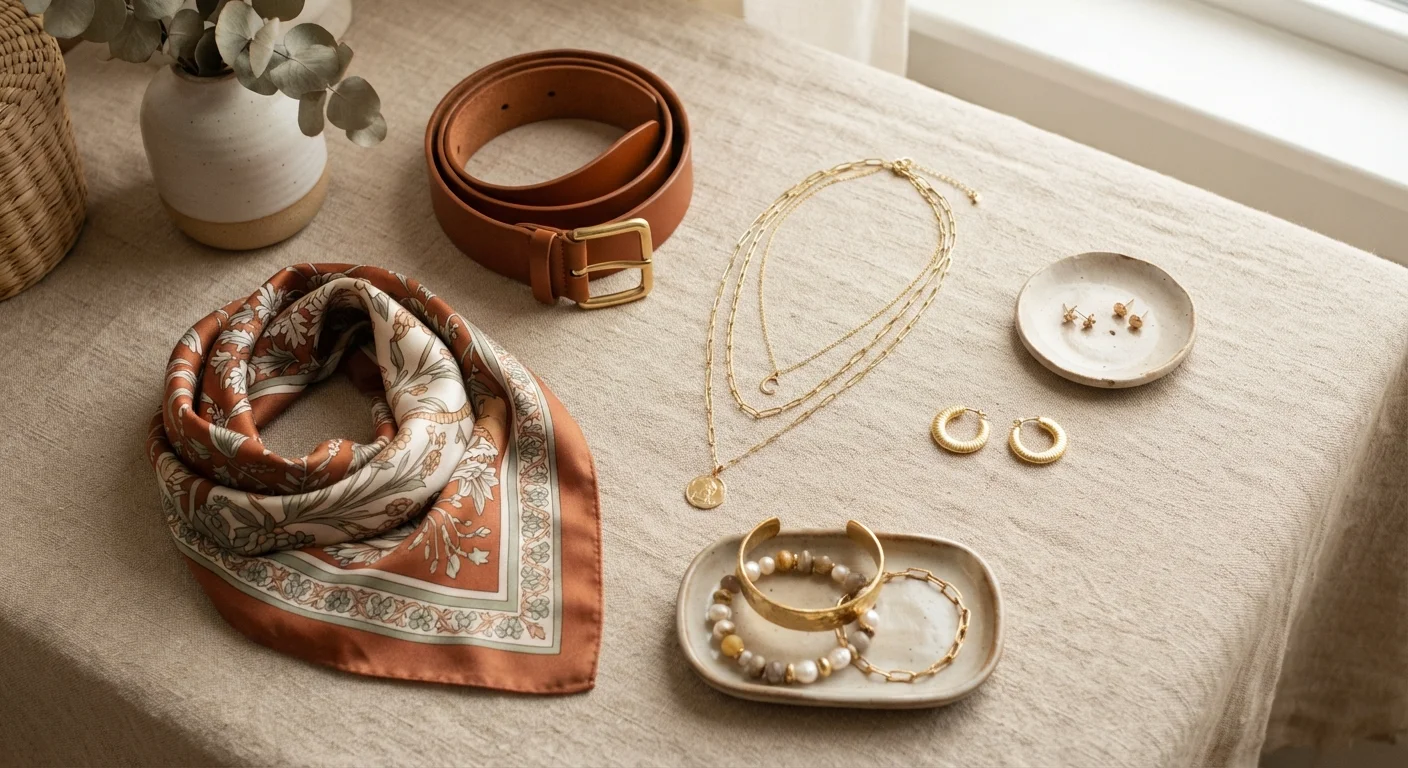
A relaxed but put-together look suited to social or creative settings. Dark, well-fitted jeans are often acceptable alongside neat tops, loafers, and thoughtful accessories. The goal is intentional, not stuffy.
Casual
Everyday comfortable clothing with no formal requirements. Still benefits from clean, well-fitting items. T-shirts, jeans, sneakers, and casual dresses all qualify — but "casual" is not the same as sloppy.
A few things apply across the board: clothes should be clean, well-fitting, and free of visible damage. Even the most casual dress code doesn't mean worn-out or unkempt. And when you're genuinely unsure, err one level more formal — it's almost always easier to dress down a blazer than to upgrade a hoodie.
If you're trying to build pieces that move fluidly between these tiers, workwear that travels across dress codes is worth a read — it breaks down exactly which wardrobe traits make clothing genuinely flexible.
Common Confusion Points — Cleared Up
A few dress code distinctions trip people up more than others. Here's a quick-reference breakdown:
- Business Casual vs. Smart Casual: Business casual keeps a professional lean — think pressed trousers, collared shirts, and closed-toe shoes. Smart casual is slightly more relaxed and social; a neat sweater, dark jeans, and leather loafers generally qualify. The key difference is context: one is office-adjacent, the other is for social settings with a polished edge.
- Cocktail vs. Semi-Formal: These terms are often used interchangeably, but cocktail traditionally skews slightly more festive and shorter in hemline, while semi-formal typically implies a full-length dress or a dark suit. When in doubt, a knee-length dress or a well-fitted suit covers both.
- "Festive" or "Creative Black Tie": These are invitations to add personality to formal wear — a patterned tie, a jewel-toned dress, or textured accessories — without abandoning the underlying formality. The base is still black-tie; the flourish is yours.
- Resort Casual or Beach Formal: These occasion-specific codes usually mean relaxed silhouettes in lighter fabrics — linen, cotton, or lightweight blends — while still looking intentional. Flip-flops are rarely appropriate; strappy sandals usually are.
Remember that dress codes also interact with your individual style. For guidance on dressing in ways that feel true to your shape and proportions, separating useful advice from outdated rules cuts through a lot of the noise.
When the Invitation Is Vague
If an event invitation lists no dress code at all, consider the venue, time of day, and host. A Saturday evening at a downtown restaurant implies a different standard than a Sunday afternoon backyard gathering. When in real doubt, a quick, friendly message to the host is always appropriate — and almost always appreciated.