
How to Use This Glossary
Computer and laptop listings are packed with abbreviations and technical shorthand. This reference guide defines the terms you are most likely to encounter — whether you are reading a spec sheet, troubleshooting a problem, or comparing devices. Terms are grouped thematically so related concepts appear together.
For a broader introduction to how computers work, see Personal Computers from the Ground Up. If you want to dig into what spec-sheet numbers actually mean for real-world performance, the article What the Numbers in a Laptop Spec Sheet Actually Mean is a natural companion to this glossary.
| Most common OS on laptops | Windows (Statcounter Global Stats) |
| Typical consumer RAM range | 8 GB – 32 GB |
| Standard laptop display resolution | 1920 × 1080 (Full HD) |
| SSD speed advantage over HDD | Up to 5× faster read/write (General industry benchmarks) |
| USB-C max data transfer (USB4) | Up to 40 Gbps (USB Implementers Forum) |
| Average laptop battery life | 6–12 hours (Varies by workload and model) |
Core Hardware Terms
These terms describe the physical components that determine what a computer can do and how fast it does it.
Understanding how RAM, storage, and the CPU interact is essential context. For a plain-language explanation of how those three spec categories affect everyday use, see RAM, Storage, and Processing Power: What PC Specs Actually Mean.
Specs on Paper vs. Real-World Use
A higher spec number does not always translate to a noticeably better experience for everyday tasks. A laptop advertised with a powerful CPU may throttle under sustained load if its cooling system is limited. Consider how specs interact as a system rather than evaluating each number in isolation.
Display, Ports, and Software Terms
Beyond internal hardware, the screen you look at and the ports you plug into matter just as much for daily use.
Display resolution and refresh rate together determine image sharpness and motion smoothness. A Full HD panel at 60 Hz suits general productivity and media consumption; creative professionals and gamers often prioritize higher values in both.
USB-C has become the dominant connector on modern laptops because a single port can handle power delivery, high-speed data, and video output simultaneously. Check how many USB-C ports a device has, and whether they all support the same protocols — not every USB-C port supports video output or fast charging.
Bloatware and drivers sit on the software side of the equation. Keeping drivers updated is one of the simplest ways to maintain hardware compatibility and stability. Bloatware can usually be uninstalled through the operating system's standard app management tools.
8 GB
Minimum RAM for comfortable multitasking
Industry guidance broadly suggests 8 GB as a practical floor for running a modern OS alongside several browser tabs and productivity apps.
5×
Speed advantage of SSD over HDD
General hardware benchmarks indicate SSDs can deliver sequential read speeds up to five times faster than traditional spinning hard drives.
120 Hz
Refresh rate where motion noticeably smooths
Display engineers widely regard 120 Hz as the threshold at which scrolling and animation appear meaningfully smoother compared with a standard 60 Hz panel.
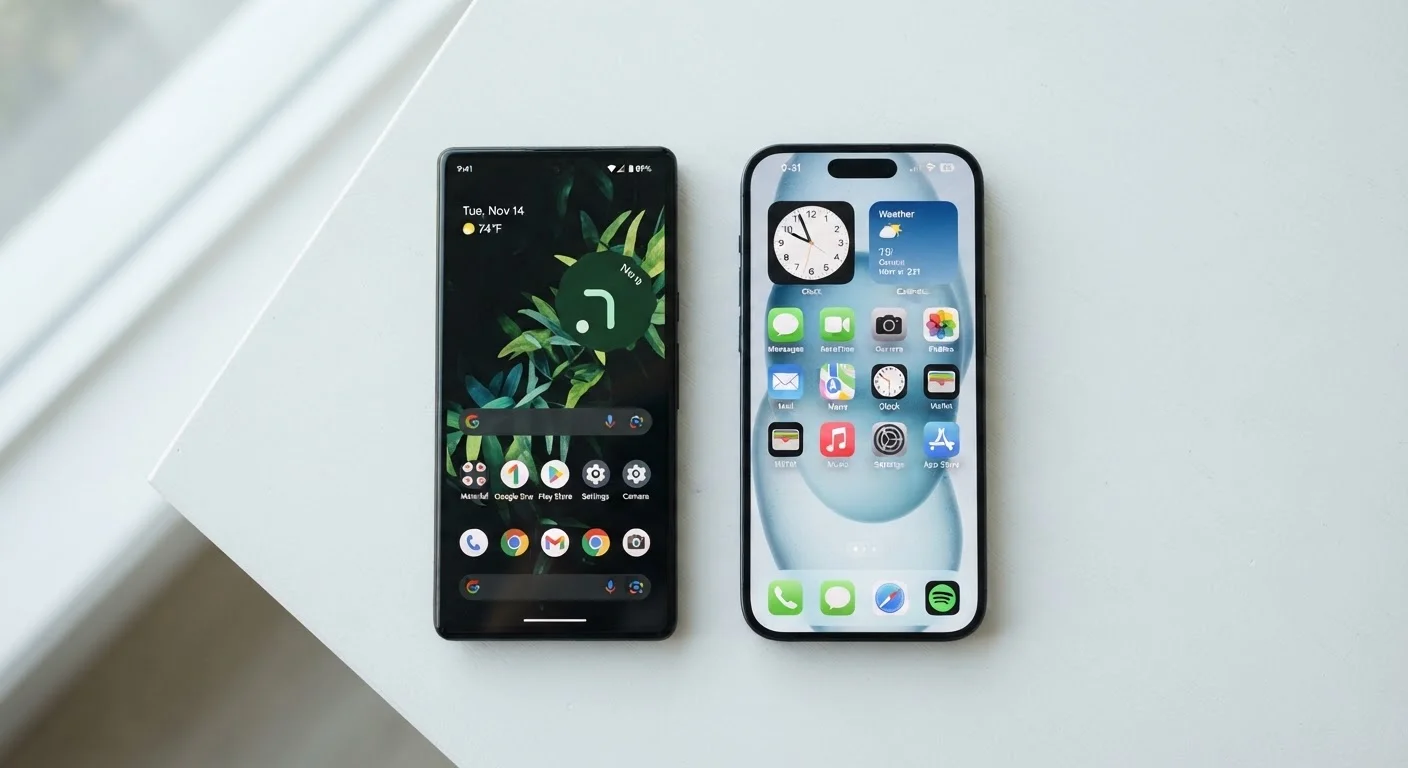
For context on how these concepts extend to mobile devices, the Smartphones & Tablets hub covers related terminology in that category.