Why the SBC Exists
Before the Affordable Care Act, comparing health plans often meant wading through dense, inconsistently formatted brochures. Two plans might describe the same benefit in completely different ways, making accurate comparison nearly impossible for ordinary consumers.
The SBC changed that. Federal rules now require every health plan — whether sold on a marketplace, offered through an employer, or provided through certain government programs — to deliver the same standardized document. The format, the order of information, and even the language used are all regulated. That consistency is the SBC's greatest practical value.
If you're deciding between two plans during open enrollment, you can place the SBCs side by side and compare the same line items directly. No guesswork, no translating one insurer's terminology into another's. For a broader introduction to health insurance terms, see Health Insurance Decoded.
What the SBC Actually Contains
The SBC is organized into several distinct sections, each answering a specific question about the plan.
4 pages
Maximum length of a standard SBC
Federal rules cap the SBC at four double-sided pages to ensure it remains a quick-reference document, not a full policy.
3
Standardized Coverage Examples required
Every SBC must include cost estimates for having a baby, managing type 2 diabetes, and a simple fracture, per federal guidelines.
Cost-Sharing Basics
The top section covers the plan's core cost structure: the deductible (what you pay before the plan starts sharing costs), the out-of-pocket maximum (the most you'll pay in a plan year before the insurer covers 100%), and whether those figures apply separately to in-network and out-of-network care. For plain-English definitions of these and other key insurance terms, see key terms every policyholder should know.
Common Medical Events Table
The bulk of the SBC is a table listing common medical situations — like visiting a primary care doctor, getting lab work, or having an outpatient surgery. For each situation, the table shows whether the service is covered, what your cost-sharing looks like (copay or coinsurance), and any important limitations or exceptions. This table is where most readers find the most actionable information.
Excluded Services and Other Covered Services
A short section near the end lists services the plan does not cover — things like cosmetic surgery or acupuncture — as well as services some plans cover but aren't required to, such as vision or dental for adults. This section is easy to skip but worth reading carefully.
Read the Limitations Column Carefully
In the Common Medical Events table, each row has a column for 'Limitations, Exceptions, & Other Important Information.' This is where plans note things like visit limits, prior authorization requirements, or network restrictions. Skipping this column is one of the most common mistakes consumers make when reading an SBC.
Coverage Examples
The final major section presents standardized cost scenarios. These aren't personalized estimates; they're uniform calculations every plan runs through the same hypothetical situations so you can compare likely out-of-pocket exposure across plans.
How the SBC Differs from Other Plan Documents
The SBC is often confused with two other documents: the Explanation of Benefits (EOB) and the declarations page.
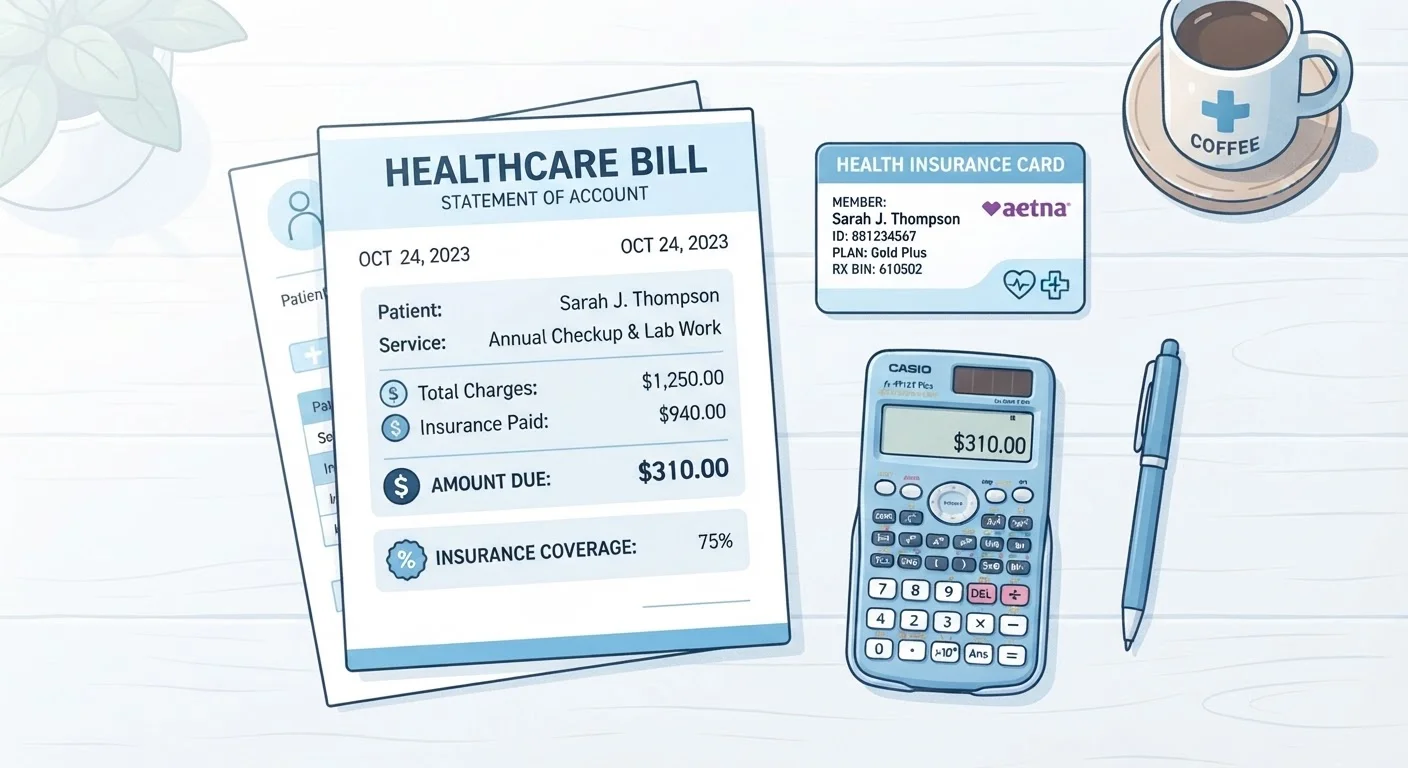
An EOB arrives after you receive care. It shows what was billed, what the insurer paid, and what you owe — it is a record of a specific claim, not a summary of your coverage. Learn more in Reading an Explanation of Benefits.
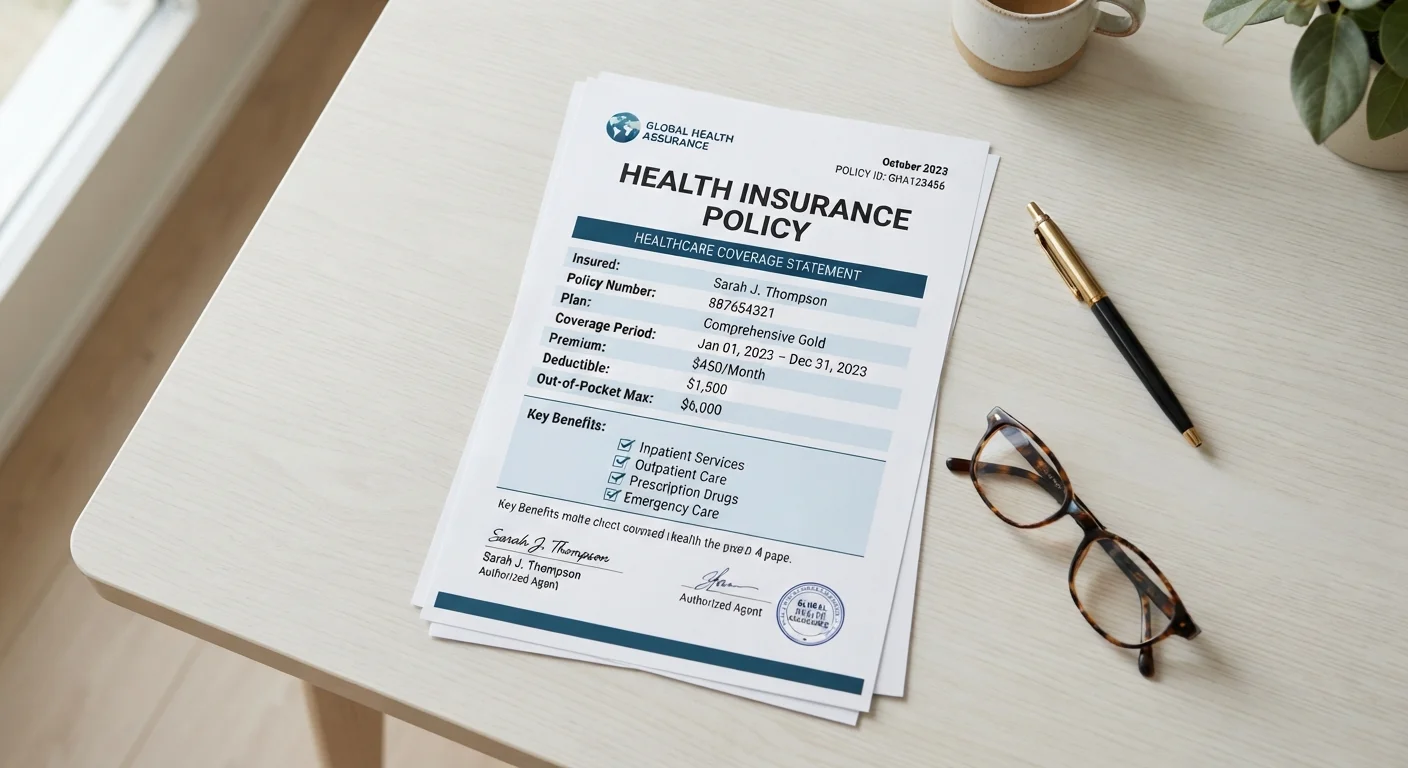
A declarations page is common in auto and home insurance — it's a snapshot of a specific policy's terms and premiums. Health insurance uses the SBC for a similar purpose, but the SBC is governed by a federal template that declarations pages are not. See Reading Your Declarations Page for how that document works in property coverage.
The SBC Is a Summary, Not the Full Policy
Federal rules require the SBC to be brief and standardized, which means it cannot capture every coverage detail. For complete information about exclusions, prior authorization requirements, and appeal rights, always review the plan's full Evidence of Coverage or Summary Plan Description before enrolling.
The SBC is a starting point, not a finish line. Once you've used it to narrow down your options, pull the full plan documents for any plan you're seriously considering. The SBC cannot capture every nuance of coverage, and what matters most — the exclusions and prior authorization requirements — often lives in those fuller documents.
This article is for general informational purposes only and is not personalized insurance, financial, or legal advice. Coverage terms, costs, and regulations vary by plan and state. Always read your full policy documents and consult a licensed insurance professional before making coverage decisions.