
What Ferrets Actually Are (and Aren't)
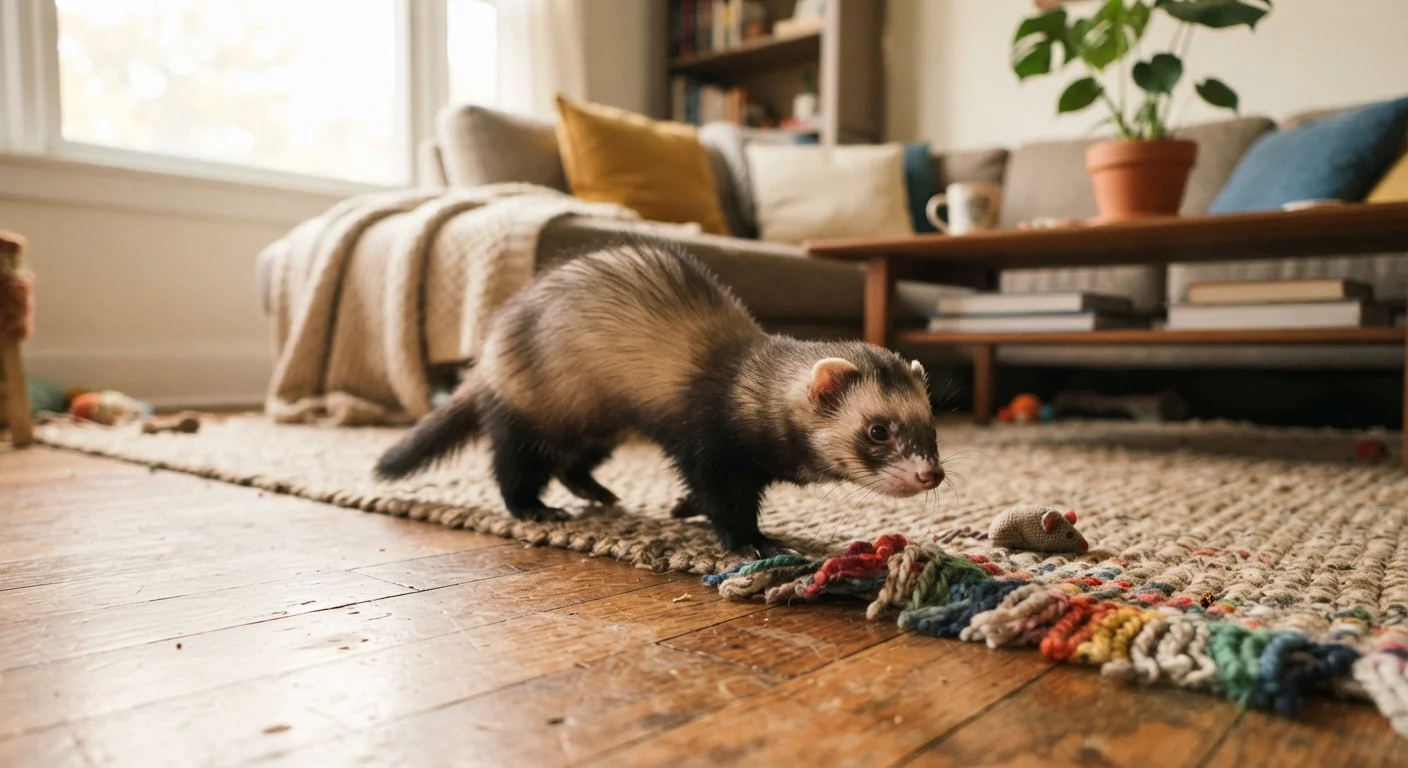
Ferrets (Mustela putorius furo) are domesticated members of the weasel family, not rodents. They're closer in biology and behavior to minks and otters than to hamsters or gerbils. That distinction matters: their care needs are significantly more complex than most small pets, and their personality is closer to a cat or dog than to a caged animal.
They're obligate carnivores, meaning their digestive systems are built exclusively for meat-based nutrition. They're also crepuscular — most active at dawn and dusk — but they adapt well to a household's schedule when given adequate stimulation. Before comparing ferrets to other small pets, it helps to read up on animals like rats and rabbits, which share some social traits but differ considerably in diet and housing. See our rabbit care guide and our overview of keeping pet rats for useful contrast.
The Real Advantages of Ferret Ownership
Ferrets offer a kind of engagement that smaller, more passive pets simply don't. Their playfulness, problem-solving ability, and social nature make them genuinely entertaining companions.
Highly intelligent and trainable for a small pet
Ferrets can learn litter-box habits reliably and respond to basic commands with consistent training. Their problem-solving curiosity keeps daily interaction dynamic and engaging.
Form strong bonds with their owners
Well-socialized ferrets often seek out their owners for play and rest, sometimes sleeping in laps or following people from room to room — a level of attachment rarely seen in small pets.
Compact size suits many living spaces
Ferrets don't need a yard or large territory. A well-enriched cage and a ferret-proofed room for playtime are sufficient, making them viable for apartment dwellers.
Entertaining and playful throughout their lifespan
Ferrets retain kit-like playfulness well into adulthood, engaging in the 'dook and dance' behavior — a hopping, clucking display of excitement — that owners frequently cite as one of their favorite things about the species.
Can live comfortably in pairs or small groups
Ferrets are naturally social animals. Keeping two or more together often reduces boredom and meets their social needs even when owners are away, provided proper introductions are made.
Unlike hamsters or gerbils, ferrets actively seek out interaction with their owners. Many learn their name, respond to recall training, and enjoy rough-and-tumble play that mimics the behavior of a young puppy.
The Honest Challenges You Should Expect
Ferret ownership is rewarding, but it comes with real responsibilities that prospective owners often underestimate. Going in clear-eyed about the challenges will serve both you and any ferret you adopt.
Persistent natural musk odor
Ferrets have scent glands that produce a musky smell regardless of descenting surgery. Regular cage cleaning and bedding changes help, but the odor cannot be fully eliminated and is noticeable in the home.
Require extensive daily supervised free-roam time
Ferrets need at least three to four hours outside their enclosure each day in a ferret-proofed space. This is not optional enrichment — insufficient activity causes stress and behavioral problems.
Specialized diet is non-negotiable
As obligate carnivores, ferrets cannot thrive on grain-based commercial foods. They require a high-protein, high-fat, very low-carbohydrate diet, which demands more research and often more expense than standard pet food.
Prone to serious age-related health conditions
Insulinoma, adrenal disease, and lymphoma are common in ferrets, particularly after age three. Treatment can be lengthy and costly, and finding an experienced exotic vet is essential.
Not legal everywhere in the United States
Ferret ownership is restricted or prohibited in some U.S. states and cities, including California and Hawaii. Always verify local regulations before adopting.
Tend to nip if not trained from a young age
Young ferrets explore with their mouths and can bite hard enough to break skin. Consistent bite-inhibition training is necessary and takes time; this makes them a poor fit for households with very young children.
Ferret Legality Varies by Location
Before adopting a ferret, confirm that ownership is legal in your state and municipality. California and Hawaii prohibit ferrets outright, and some cities in legal states have their own restrictions. Contact your local animal control agency or check with a local exotic animal vet to verify the rules where you live.
If you're still in the early planning stages, the small pet readiness checklist is a practical tool for assessing whether your home, schedule, and budget are prepared for a ferret's specific demands.
Health and Veterinary Realities
Ferrets are prone to a distinct set of health conditions that every owner should know about. Insulinoma (a tumor of the pancreas causing dangerously low blood sugar), adrenal gland disease, and lymphoma are among the most common. These conditions tend to appear as ferrets age, often after age three, and can require long-term management.
6–10 years
Typical ferret lifespan in captivity
The American Ferret Association notes that well-cared-for ferrets commonly live between six and ten years, with health management playing a significant role in longevity.
~75%
Ferrets affected by adrenal disease
Veterinary literature suggests adrenal gland disease is among the most common health conditions in ferrets, with some estimates placing occurrence rates at over 70% in middle-aged and older animals.
Finding the right veterinarian is non-negotiable. Ferrets need a vet experienced with exotic or small animals — many general practices don't see them. Annual wellness exams are recommended, and many vets suggest twice-yearly checkups for ferrets over four years old. Vaccinations for canine distemper and rabies are standard and necessary.
The cost of ferret ownership rises considerably when health issues emerge. Prospective owners should budget not just for routine care but for the possibility of ongoing treatment, surgery, or medication as their ferret ages. This level of medical commitment is closer to owning a cat — see our broader cat care resources for a sense of what long-term pet health management looks like — than to keeping a typical small pet.
This article provides general information about ferret care and is not a substitute for advice from a licensed veterinarian. Always consult a qualified exotic animal vet for guidance specific to your ferret's health and needs.