
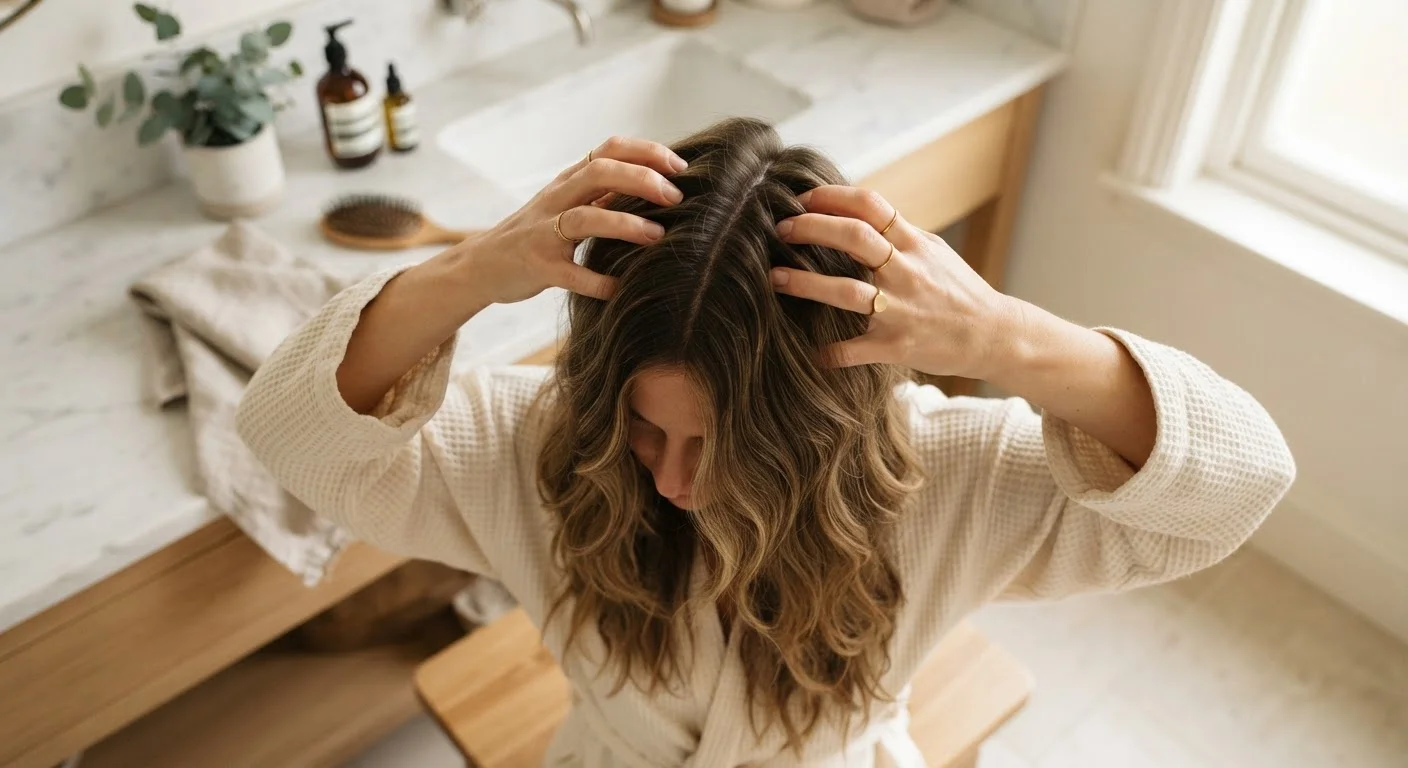
Why the Scalp Deserves Its Own Conversation
Most of us learned hair care from watching commercials or inheriting a family routine — shampoo, rinse, condition, done. What that approach often skips entirely is the skin doing all the work underneath: the scalp.
Your scalp is a section of skin, and like the skin on your face, it has its own oil production, its own moisture needs, and its own capacity for irritation. It just happens to also anchor your hair. Treating scalp health as a byproduct of shampooing is a bit like assuming your face is clean because you rinsed it in the shower.
If you're building or refining a personal care routine, starting with the basics is always a good move — and scalp awareness fits naturally into that foundation.
Scalp Health Is Part of Skin Health
Because the scalp is skin, many of the same principles that apply to facial care — gentle cleansing, avoiding harsh ingredients, staying mindful of moisture balance — apply here too. Everyday habits that support skin health are often more transferable to scalp care than people realize.
What Makes the Scalp Unique as Skin
The scalp has one of the highest concentrations of hair follicles and sebaceous (oil) glands anywhere on the body. That density makes it behave differently from, say, the skin on your arms — it produces more oil, sheds skin cells more actively, and reacts to products in ways that aren't always obvious until something goes wrong.
Because hair covers it, the scalp also retains heat and moisture differently. Products, sweat, and dead skin cells can accumulate at the scalp surface without obvious visibility, which is partly why buildup is such a common concern.
Understanding your scalp type — oily, dry, or somewhere in between — is similar to understanding your facial skin type. Both shift with age, climate, hormones, and lifestyle. Skin type is more fluid than most people realize, and that applies to your scalp, too.
~100,000
Average number of hair follicles on the human scalp
Each follicle is embedded in scalp skin and surrounded by sebaceous glands — underscoring why scalp skin behaves so differently from other body skin.
50%+
Adults who experience dandruff at some point
Dandruff is one of the most common scalp conditions globally, according to dermatology literature, yet it's frequently mistaken for simple dryness.
Common Scalp Concerns and What They Signal
A healthy scalp generally feels comfortable — no persistent itch, tightness, or excess flaking. When something feels off, it's usually one of a few recognizable issues:
- Dryness and flaking: The scalp isn't producing or retaining enough moisture, leading to small white flakes and sometimes tightness or itching.
- Excess oiliness: Overactive sebaceous glands can leave the scalp feeling greasy quickly after washing and may contribute to buildup.
- Product buildup: Residue from conditioners, stylers, or dry shampoo accumulates on the scalp over time, potentially clogging follicles and dulling hair.
- Irritation or sensitivity: Reactions to specific ingredients — fragrances, sulfates, preservatives — can cause redness, itching, or a burning sensation.
- Dandruff or seborrheic dermatitis: These are clinical conditions involving inflammation and excess skin cell turnover; they look similar to simple dryness but have different causes and often benefit from targeted treatment.
It's worth noting: dandruff and dry scalp are frequently confused, but they're not the same thing. Dry scalp results from insufficient moisture, while dandruff is linked to an overgrowth of a naturally occurring yeast on the skin. Treatment approaches differ, which is one reason persistent flaking is worth a professional opinion.
This article is for informational purposes only and is not medical or dermatological advice. If you have concerns about scalp symptoms, consult a qualified healthcare provider.
Scalp Care vs. Hair Care: Knowing the Difference in Practice
Here's where the distinction becomes practical: many products designed for hair strands — particularly heavy conditioners, oil treatments, and styling creams — are not intended to be applied directly to the scalp. Applying them there can contribute to buildup and potentially clog follicles over time.
Conversely, a clarifying shampoo used primarily to cleanse the scalp can be drying or rough on already-fragile strands. Different parts of the same head may need different products or application techniques.
Apply Shampoo Where It Actually Matters
The most effective way to cleanse the scalp is to focus shampoo directly at the roots and scalp surface, then massage gently with fingertips (not nails). The lather that runs down your strands during rinsing is sufficient to clean the lengths without over-stripping them. This simple habit shift makes a noticeable difference in both scalp comfort and strand condition over time.
A few habits that support scalp-specific care:
- Focus shampoo application at the scalp, not the lengths of your hair — the rinse-through cleanses the strands adequately.
- Rinse thoroughly. Residue left at the scalp from any product is one of the most common contributors to buildup and irritation.
- Pay attention to how your scalp feels between washes — tight and dry, or oily and itchy? That feedback guides how often and with what you should be washing.
- Consider a periodic scalp-focused cleanse (sometimes called a scalp detox or clarifying wash) if you use heavy styling products regularly.
For a broader look at how scalp care connects to overall hair health, the foundational role the scalp plays goes deeper on the connection. And if you're ready to build a full hair routine around these principles, a practical starting point for hair care covers all the basics.
Scalp health also fits into the bigger picture of personal care — alongside skin, nails, and oral health — as part of a well-rounded everyday routine.