
The Four Core Skin Types — Simply Explained
When skincare professionals talk about skin type, they're describing how your skin behaves day to day — specifically how much oil it produces and how well it holds on to moisture. Here's what each type typically looks and feels like:
- Oily: Skin produces excess sebum, often leaving a shiny appearance throughout the day. Pores may appear enlarged, and this type is more prone to breakouts.
- Dry: Skin produces less oil and tends to feel tight, rough, or flaky. It may look dull and is more susceptible to irritation.
- Combination: An oily T-zone (forehead, nose, and chin) paired with normal or dry cheeks. This is actually the most common skin type.
- Normal: Balanced oil production with few sensitivities, minimal shine, and small pores. Skin generally feels comfortable throughout the day.
Sensitive skin — which involves heightened reactivity to products, weather, or stress — can layer on top of any of these types. It's worth reading more about how that plays out in our guide to sensitive skin and personal care.
Skin Type vs. Skin Condition
Skin type refers to your skin's baseline behavior determined largely by genetics and biology. A skin condition — such as acne, rosacea, eczema, or hyperpigmentation — is a separate issue that may coexist with any type. Confusing the two can lead to using products that address the wrong problem. When in doubt, a dermatologist can help you distinguish between the two.
Why Your Skin Type Is Not Set in Stone
Here's something the beauty industry doesn't always emphasize: your skin type is a snapshot, not a permanent identity. Several forces shape and reshape it throughout your life.
Age and Hormones
Sebaceous glands become less active with age, which is why oily teenage skin often becomes drier by the mid-thirties or forties. Hormonal changes — including puberty, pregnancy, postpartum shifts, and menopause — can trigger noticeable changes in oil production and skin sensitivity.
Climate and Season
High humidity encourages oilier skin; cold, dry air saps moisture and can push combination or normal skin toward a drier state. Many people find their skin needs a different routine in January than in July. For a deeper look at how your environment affects the skin barrier, see our article on why skin feels tight after washing.
Lifestyle Factors
Stress, sleep quality, diet, and hydration levels all influence how the skin functions. Chronic stress, for example, can elevate cortisol, which in turn affects sebum production. Product choices matter too — stripping cleansers can cause the skin to overproduce oil as a compensatory response.
Re-Assess Your Skin Type Seasonally
Treat your skin type assessment as a quarterly check-in rather than a one-time quiz result. Take note of how your skin feels and looks in the morning before applying anything — especially when the seasons change. A small adjustment in moisturizer weight or cleanser strength can make a meaningful difference in comfort and appearance without overhauling your entire routine.
Building a Routine Around Your Skin Type
Once you have a working understanding of your skin type, you can make smarter decisions about cleansers, moisturizers, and actives — without overcomplicating things. The goal isn't a 10-step routine; it's a consistent, manageable one.
For oily skin, lightweight, non-comedogenic (pore-friendly) formulas tend to work well. For dry skin, richer creams and gentle, non-foaming cleansers help preserve the moisture barrier. Combination skin often benefits from using different products on different zones, or choosing balanced formulas that don't over-treat either extreme.
One area often overlooked: the scalp. Like facial skin, the scalp has its own oil-producing glands and moisture needs — and they don't always mirror what's happening on your face. Our Scalp Health 101 explainer breaks down why scalp care deserves its own attention.
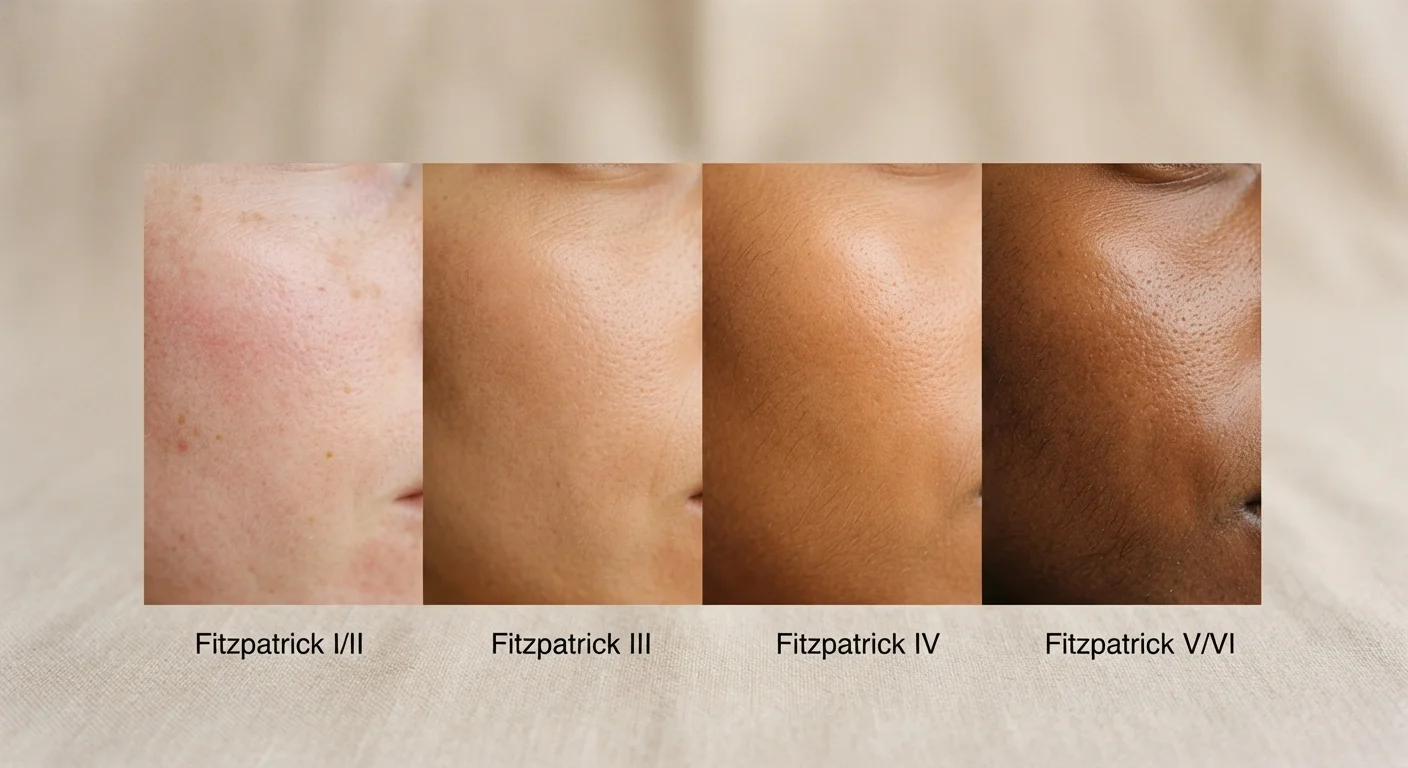
Skin tone also plays a role in how skin responds to products, sun exposure, and certain conditions. Inclusive skincare across skin tones is a topic worth exploring if you want a fuller picture of personalized care. For broader habit guidance, our year-round skin health habits article is a practical next step.
~50%
Adults who report combination skin type
Combination skin — oily T-zone with drier cheeks — is widely cited by dermatologists and estheticians as the most commonly reported skin type among adults.
30–40s
Age range when skin type most often shifts
Research into aging skin indicates that sebum production typically begins to decline noticeably in the third and fourth decades of life, often shifting skin from oily toward drier.
3–4x
Seasonal variation in skin barrier function
Dermatological studies have found that transepidermal water loss — a key measure of skin barrier health — can vary significantly between summer and winter months, reflecting how climate directly alters skin behavior.
This article is for general informational and educational purposes only. It is not a substitute for advice from a licensed dermatologist or qualified skincare professional. If you have persistent skin concerns, consult a healthcare provider.