
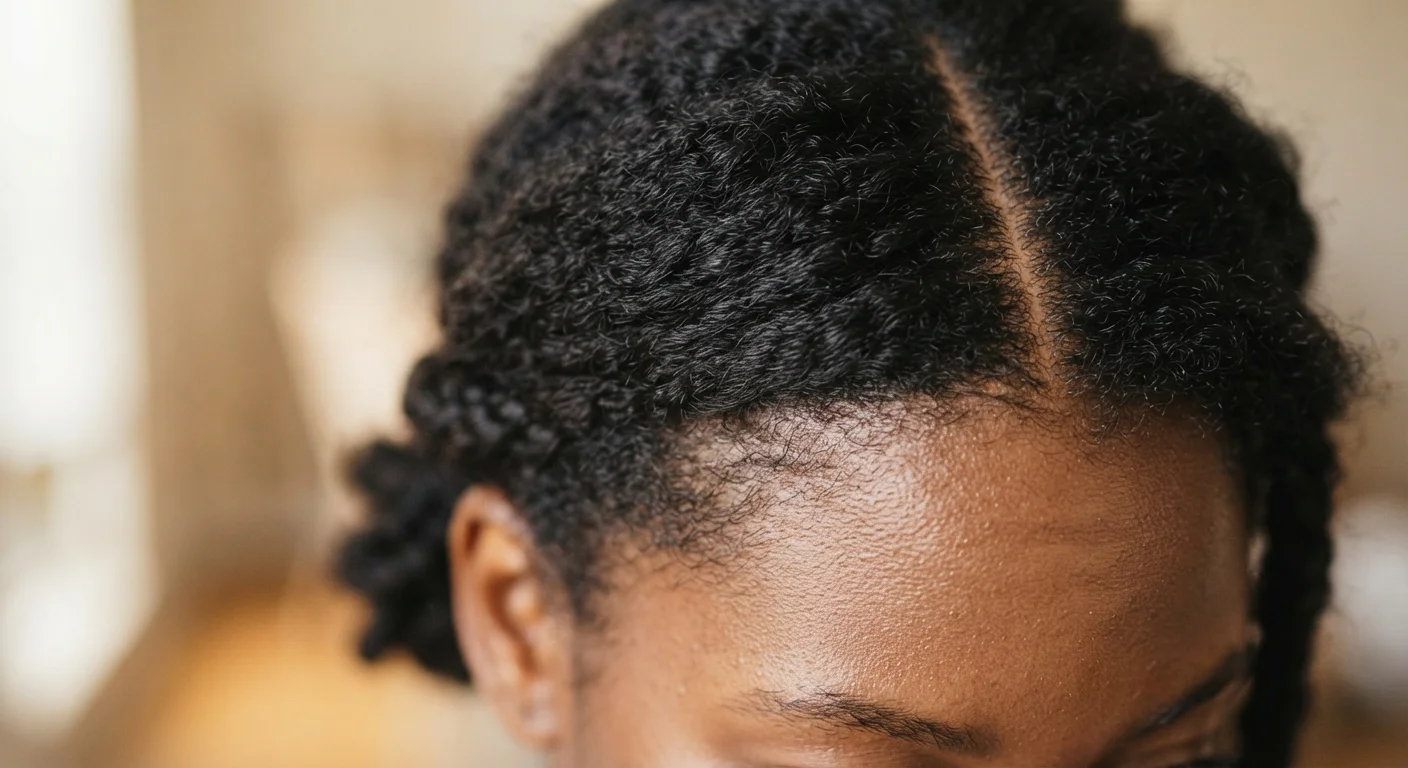
Why the Scalp Deserves Its Own Attention
Most of us were taught to focus hair care on the strands — the ends, the shine, the frizz. But the scalp, a roughly 120-square-centimeter patch of skin on top of your head, is where hair actually originates. Neglecting it is a bit like watering a plant's leaves while ignoring the soil.
If you're already thinking about building holistic personal care habits, starting with the basics is the right move — and scalp care fits neatly into that foundation. It doesn't require expensive tools or a complicated regimen. What it does require is a little intentional awareness.
Scalp health is genuinely distinct from hair strand care — the products, techniques, and concerns differ. This guide breaks it all down simply, so anyone can get started.
What the Scalp Actually Does
Your scalp contains roughly 100,000 hair follicles, each one embedded in the skin and surrounded by sebaceous (oil-producing) glands, blood vessels, and nerve endings. This structure does several things at once:
- Anchors hair follicles — the follicle is where each hair strand is formed and grows from.
- Produces sebum — natural oil that lubricates the scalp and the length of the hair shaft.
- Acts as a barrier — like the rest of your skin, the scalp guards against environmental stressors, microorganisms, and moisture loss.
- Supports circulation — blood flow to the scalp delivers the nutrients that feed growing hair.
Because the scalp is skin, it responds to many of the same stressors as facial or body skin: dehydration, product buildup, hormonal shifts, and stress. The habits that support overall skin health — hydration, gentle cleansing, avoiding harsh ingredients — apply here too.
~100,000
Hair follicles on the average human scalp
According to generally cited figures in dermatology literature on hair anatomy.
50–100
Hairs shed per day considered normal
The American Academy of Dermatology notes that losing up to 100 hairs daily is typical for most adults.
50%
Adults affected by dandruff at some point
Research published in dermatology journals estimates dandruff affects roughly half the global adult population.
Common Scalp Issues and What Causes Them
Understanding what's going on at the scalp level helps you address problems more effectively rather than just chasing symptoms in the hair shaft.
Buildup
Product residue, excess sebum, and environmental debris can accumulate on the scalp over time. This can clog follicles, create an unpleasant odor, and dull hair at the roots. Clarifying washes and scalp exfoliation can help clear this buildup periodically.
Dryness and Flaking
A dry scalp produces small, fine flakes and may feel tight or itchy. It's often triggered by cold weather, over-washing, or certain cleansing ingredients that strip natural oils. This is different from dandruff, which is linked to an overgrowth of a naturally occurring yeast called Malassezia and produces larger, oilier flakes.
Don't Self-Diagnose Dandruff vs. Dry Scalp
These two conditions look similar but have different causes and respond to different treatments. Using an anti-dandruff formula on a dry scalp can sometimes make dryness worse, and moisturizing a yeast-driven condition won't address the root cause. If you're unsure which you're dealing with, a dermatologist can give you a clear answer and a targeted plan.
Excess Oil
Some scalps overproduce sebum, which can make hair look greasy quickly. Hormones, diet, genetics, and even infrequent washing (which can signal the glands to produce more oil) all play a role.
Scalp Tension and Poor Circulation
Tight hairstyles worn repeatedly, or prolonged stress, may contribute to scalp tension — a sense of tightness that some people report alongside hair shedding. While the research on scalp massage and growth is still developing, gentle massage is generally considered a low-risk way to support circulation.
Building a Simple Scalp Care Routine
Scalp care doesn't need to be elaborate. A few consistent habits go a long way — and they layer naturally into a broader hair care routine. For a fuller picture on where scalp care fits in, this practical hair care starting point is a great companion read.
1. Cleanse at the Right Frequency for You
There's no universal rule for how often to wash. Oily scalps may benefit from more frequent cleansing; dry or textured hair types may do better with less. The goal is a clean scalp without over-stripping its natural moisture barrier.
2. Try Scalp Massage
A few minutes of gentle fingertip massage — during washing or with a dry scalp — can help loosen buildup and may support blood circulation to the follicles. Use the pads (not nails) of your fingers in small circular motions.
Apply shampoo directly to the scalp first, then work the lather down — don't pile hair on top of your head and scrub. This protects the hair cuticle and focuses cleansing where it's actually needed.
The scalp is where sebum, sweat, and product buildup accumulate; the hair shaft itself rarely needs the same level of cleansing as the skin underneath.
If you use a scalp scrub, apply it before shampooing on a damp scalp, then follow with your regular cleanse — it's more effective than using it after.
Pre-cleanse exfoliation loosens debris and buildup before the surfactants in shampoo can sweep it away, rather than dragging already-lathered product across the scalp.
3. Exfoliate Occasionally
A scalp scrub or exfoliating treatment can help remove buildup that regular shampooing doesn't fully address. Most people find once or twice a month adequate, but it depends on your scalp type and product use habits.
4. Be Mindful of Product Application
Heavy conditioners, styling creams, and oils are generally intended for the mid-lengths to ends of hair — applying them directly to the scalp can accelerate buildup. Focus scalp-specific products on the scalp, and hair products on the hair.
For a broader look at how personal care areas connect, this full personal care overview shows how scalp fits alongside skin, nails, and oral health.
Rinse Thoroughly Every Time
One of the most overlooked steps in scalp care is simply rinsing well. Shampoo and conditioner residue left on the scalp can contribute to buildup, itchiness, and dullness at the roots. Take an extra 30 seconds under the water to make sure the scalp area is fully rinsed before towel drying.
When to See a Dermatologist
Most everyday scalp concerns respond well to gentle routine adjustments. But some symptoms are worth a professional evaluation rather than self-treatment.
Consider seeing a board-certified dermatologist if you notice:
- Persistent or worsening flaking that doesn't respond to over-the-counter approaches
- Visible redness, scaling, or sores on the scalp
- Significant or sudden hair shedding or thinning
- A scalp that is consistently painful or intensely itchy
Conditions like seborrheic dermatitis, psoriasis, folliculitis, and alopecia are all scalp-related and are best managed with professional guidance. Self-diagnosing and self-treating these conditions can sometimes delay effective care or worsen symptoms. Preventive care principles apply here: noticing changes early and seeking evaluation promptly is almost always better than waiting.
Hair Loss Can Have Medical Causes
Sudden or significant hair shedding is sometimes linked to nutritional deficiencies, thyroid conditions, hormonal changes, autoimmune conditions, or other health factors — not scalp care alone. Do not attempt to treat notable hair loss exclusively through topical routines without first speaking with a healthcare provider. Early evaluation improves outcomes for many of the underlying causes.
This article is for general informational and educational purposes only and is not a substitute for professional medical advice. If you have concerns about your scalp or hair health, consult a qualified healthcare provider or dermatologist.