What a Laptop Actually Is — and Isn't
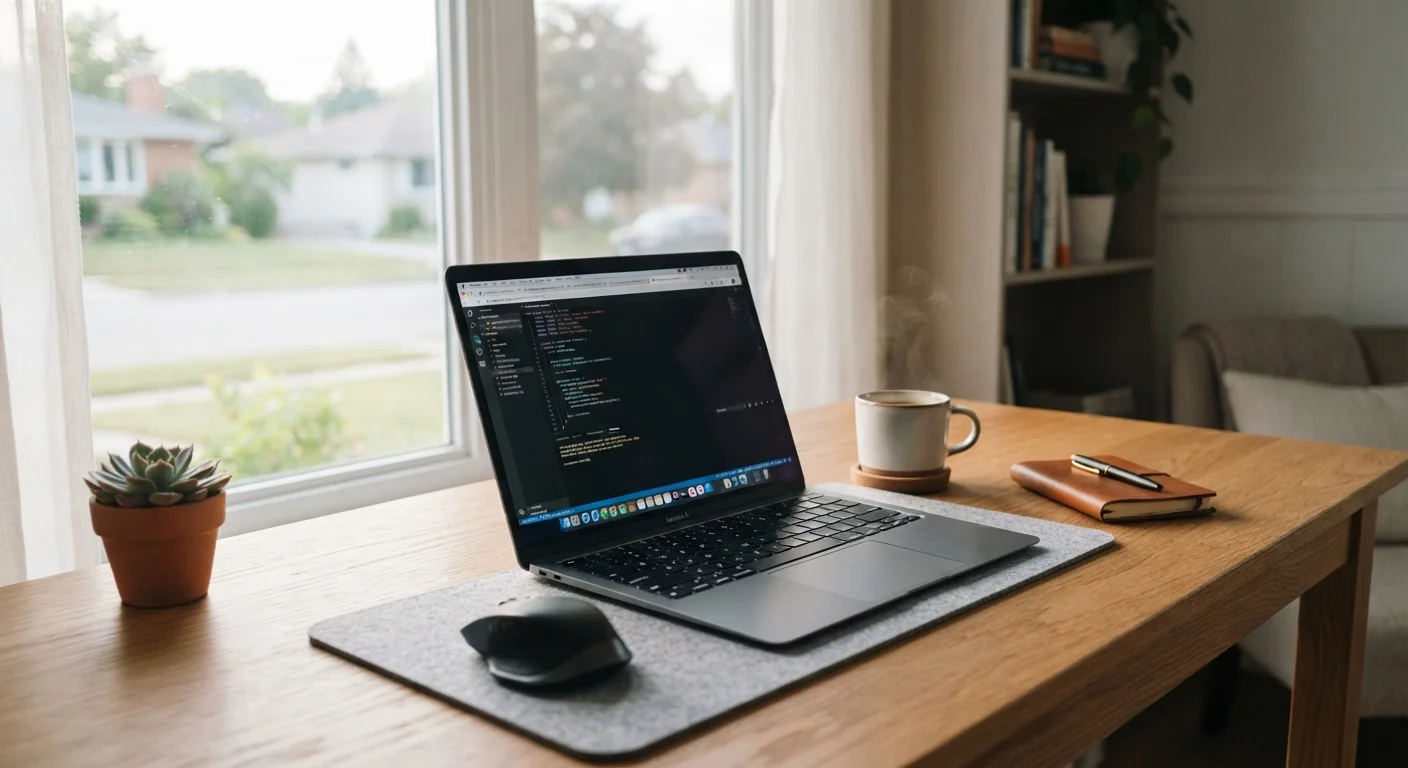
A laptop is a self-contained personal computer: processor, memory, storage, screen, keyboard, and battery packed into a single portable unit. That integration is the whole point — everything travels together. But integration also means components are shared, space is tight, and compromises are made in the design process to keep weight and thickness manageable.
It helps to think of a laptop not as a portable desktop but as a device optimized for a different set of priorities. When you understand that framing, the tradeoffs below make more intuitive sense. If you're also weighing other form factors, our desktop vs. laptop tradeoffs guide covers those distinctions in depth.
The Real Advantages of Owning a Laptop
Laptops genuinely excel in several areas that matter for everyday users.
Genuine portability for work and personal use
A laptop goes wherever you go — home, office, travel, or a library. That flexibility has real daily value for people whose life doesn't happen in one place.
Self-contained: no extra peripherals required
Screen, keyboard, trackpad, and speakers are built in. You can be productive with just the laptop itself, which reduces setup cost and complexity.
Capable of handling most everyday computing tasks
Web browsing, video streaming, word processing, video calls, and light photo editing are all well within what a modern laptop handles comfortably.
Battery power provides flexibility in locations
Cord-free operation — even for a few hours — allows use in places without power outlets, from planes to parks to conference rooms.
Single device reduces cable and desk clutter
For users in smaller spaces or those who dislike cable management, a laptop keeps the physical footprint minimal.
The portability benefit extends beyond obvious travel use. Working from a coffee shop, bringing a device to a client meeting, moving from a desk to a couch — these everyday scenarios are genuinely better with a laptop. A desktop simply can't follow you.
The all-in-one convenience also reduces setup friction. One device, one charger, and you're operational. For users who don't want to manage a tower, monitor, keyboard, and cables, that simplicity has real value.
Where Laptops Fall Short
The same design choices that make laptops portable also create genuine limitations worth understanding before committing.
Thermal throttling limits sustained performance
Compact chassis can't dissipate heat as effectively as desktop towers, so processors slow down under prolonged load — impacting demanding creative or technical work.
Most components cannot be upgraded later
RAM and storage are often soldered directly to the motherboard in modern laptops, meaning the specs you buy are typically the specs you keep for the device's lifetime.
Repairs are more difficult and often costlier
Tightly integrated designs make DIY repair challenging, and out-of-warranty professional repairs can be expensive relative to the device's value.
Battery life degrades over time
Lithium-ion batteries lose capacity with charge cycles. After two to four years, real-world runtime can drop noticeably from the original spec.
Higher cost for equivalent performance vs. desktop
The engineering required to fit powerful components into a portable, thermally managed chassis adds cost — comparable desktop builds often deliver more performance per dollar.
Screen size is physically limited
Even a large laptop display is smaller than a typical desktop monitor setup, which can be a genuine productivity or comfort factor for long working sessions.
Thermal throttling deserves special attention. When a laptop's processor generates more heat than its cooling system can dissipate — which happens during sustained demanding tasks — the chip deliberately slows itself down to avoid damage. This means a laptop with specs that look identical to a desktop on paper will often deliver meaningfully less sustained performance under load. For light tasks like browsing or word processing, this rarely matters. For video editing, 3D rendering, or gaming, it can matter quite a bit.
Before assuming a laptop is the right call, it's worth considering how you'll actually use it. Our article on PC decisions people regret walks through the reasoning errors that lead to buyer's remorse — many of them laptop-specific.
~4–8 hrs
Typical real-world battery life under moderate use
Manufacturer battery claims are measured under light, controlled conditions; everyday mixed use — browsing, video, some productivity — typically yields fewer hours than advertised.
2–4 years
Average period before battery capacity noticeably degrades
Lithium-ion battery health generally declines with charge cycles; most laptop batteries are rated for 300–500 full cycles before capacity drops significantly.
How Laptops Compare to Alternatives
A laptop isn't the only option for portable or flexible computing. Tablets have closed the gap for many tasks — if you're curious whether a tablet might cover your needs, see our tablet vs. laptop guide for a direct comparison.
Chromebooks occupy a specific niche worth knowing about: they're streamlined, fast to start, and lower-maintenance, but they run a different operating system and have real software limitations. Our Chromebook tradeoffs article gives an honest assessment of when they make sense.
Operating System Matters Too
Laptops run different operating systems — Windows, macOS, and ChromeOS are the main options in the US market. Each has distinct software ecosystems, update policies, and hardware compatibility considerations. The operating system you need (or prefer) may narrow your options meaningfully, so it's worth factoring in alongside hardware specs.
For users who split time between a desk and other locations, a laptop connected to an external monitor and keyboard at home can offer the best of both worlds — portability when you need it, comfort when you don't.
Making the Decision With Confidence
The most useful question isn't "are laptops good?" but rather "does a laptop fit how I actually work and live?" A few practical questions can sharpen that thinking:
- Do you move locations regularly? If your computer stays on one desk, portability isn't a benefit you're getting value from.
- How demanding is your work? Browsing, email, and documents are well within any laptop's capabilities. Heavy creative or technical workloads require honest consideration of thermal limits.
- How long do you plan to own it? Laptops are harder to repair and upgrade than desktops, so longevity expectations matter.
- What's your budget? Comparable performance costs more in laptop form than desktop form, because engineering miniaturization into reliable hardware isn't cheap.
For broader purchase decision guidance, the Smart Shopping Tips hub has practical frameworks for making confident, value-driven choices across categories.