Why Smartphone Security Is an Everyday Issue
Most people think of their smartphone as a communication tool. In practice, it's a vault — storing banking credentials, health records, private messages, photos, and passwords. That makes it one of the most valuable targets for unauthorized access.
The good news is that the most effective security habits aren't technically complex. They require consistency more than expertise. If you're new to thinking about device security, our beginner's guide to smartphones covers the foundational concepts in plain language.
This article focuses on the habits that hold up over time — the ones security professionals consistently point to as genuinely effective for everyday users.
Keep your operating system and apps updated without delay
Software updates frequently contain patches for security vulnerabilities that have already been discovered and, in some cases, actively exploited. Delaying updates extends the window during which your device is exposed to those known weaknesses. Enabling automatic updates removes the friction entirely.
Use a strong screen lock — at minimum a six-digit PIN or biometrics
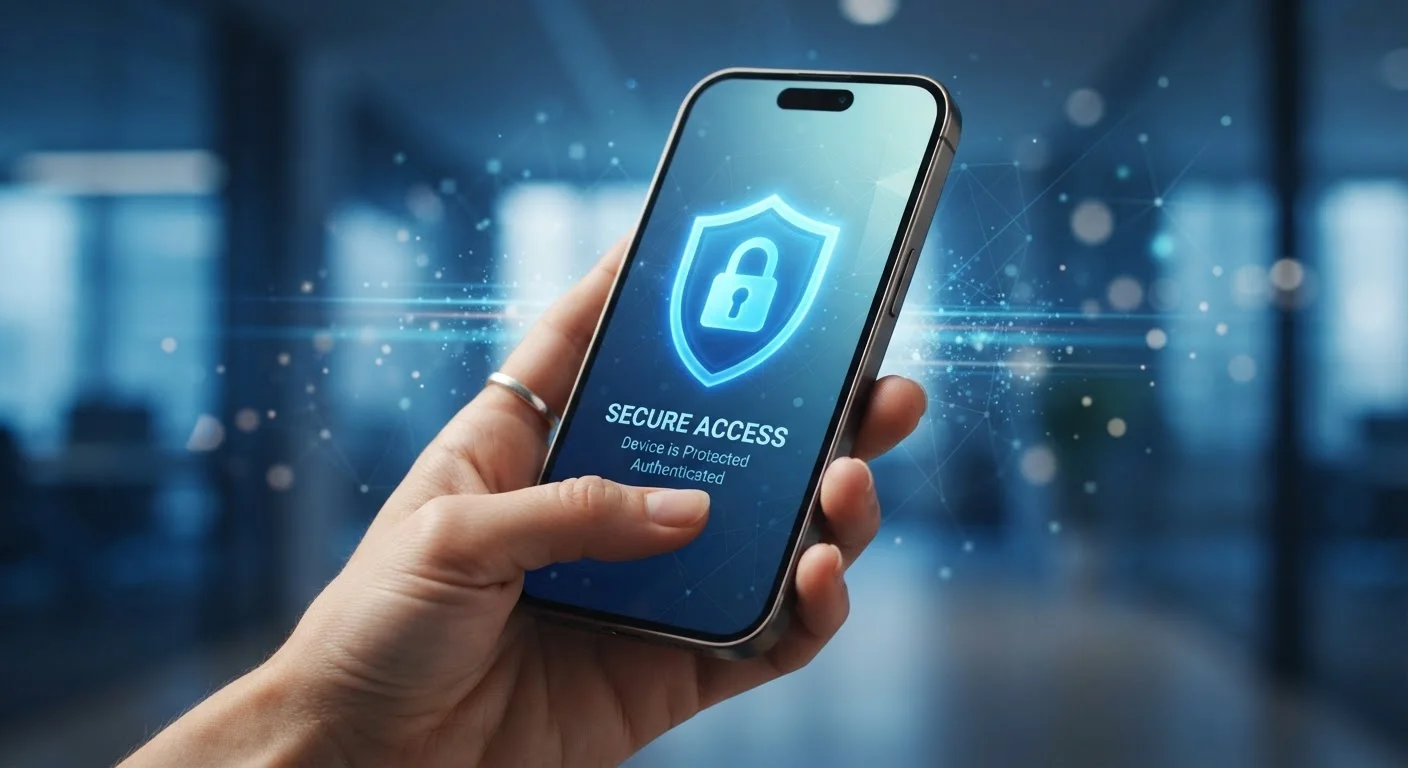
A four-digit PIN has 10,000 possible combinations; a six-digit PIN has one million. Biometric options like fingerprint or face unlock add another layer of friction for anyone who physically obtains your device. A swipe pattern offers much weaker protection than either.
Audit app permissions every few months
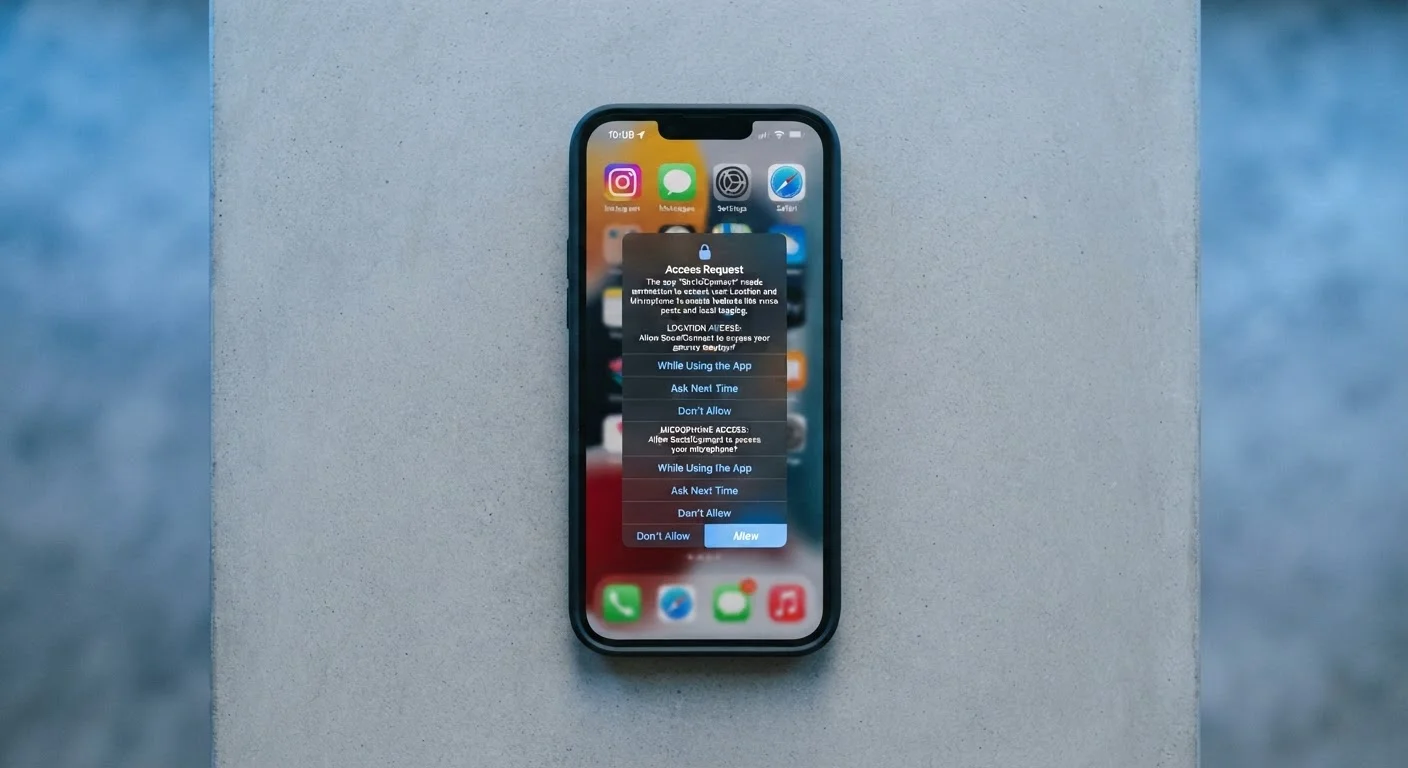
Apps often request access to your location, microphone, camera, or contacts that they don't actually need to function. Granting broad permissions at install and never revisiting them means apps accumulate access over time. Periodic reviews let you revoke permissions that no longer make sense.
Enable two-factor authentication (2FA) on important accounts
Two-factor authentication — where you need both your password and a second verification step (like a code sent to your phone) — means a stolen or guessed password alone isn't enough to access your account. It's one of the most effective protections available for accounts that matter most.
Avoid entering sensitive information on public Wi-Fi without a VPN
Open public Wi-Fi networks lack encryption, making data you send over them potentially visible to others on the same network. A VPN encrypts your traffic between your device and the internet, significantly reducing that exposure. If you don't use a VPN, save sensitive tasks — banking, shopping, medical portals — for your cellular connection or a trusted private network.
Be skeptical of unexpected links and attachments, even from known contacts
Phishing attacks — attempts to trick you into revealing credentials or installing malicious software — frequently arrive via text message or email and often appear to come from familiar names or institutions. If a message creates urgency or asks you to tap a link to verify your account, verify through official channels before acting.
The Habits That Make a Real Difference
Security theater — actions that feel protective but aren't — is common. The practices below are grounded in how real attacks on mobile devices actually happen.
80%+
Of breaches involve stolen or weak credentials
According to Verizon's annual Data Breach Investigations Report, the majority of data breaches involve compromised passwords — making strong authentication practices the single highest-leverage defense.
1 in 3
Users never update apps or OS
Industry surveys consistently find a significant portion of smartphone users either delay or entirely skip software updates, leaving known vulnerabilities unpatched on their devices.
For a deeper look at related security thinking applied to connected home devices, see keeping your smart home devices secure.
Start Today: Quick Actions Worth Taking Now
You don't need to overhaul your entire digital life this afternoon. A handful of targeted actions taken today will raise your security baseline meaningfully. Focus on the highest-impact changes first, then build from there.
Security Habits Apply Across All Your Devices
The habits covered here — strong authentication, keeping software updated, auditing permissions — apply broadly to tablets, laptops, and connected home devices as well. A phone that's locked down while your tablet runs an outdated operating system is still an exposure. Think of security as a household practice, not a per-device setting.
For context, the same consistent-habit mindset that protects your phone applies to other electronics too — our article on protecting home electronics shows how small routines extend device life and safety across your household.