What 'Unlocked' Actually Means
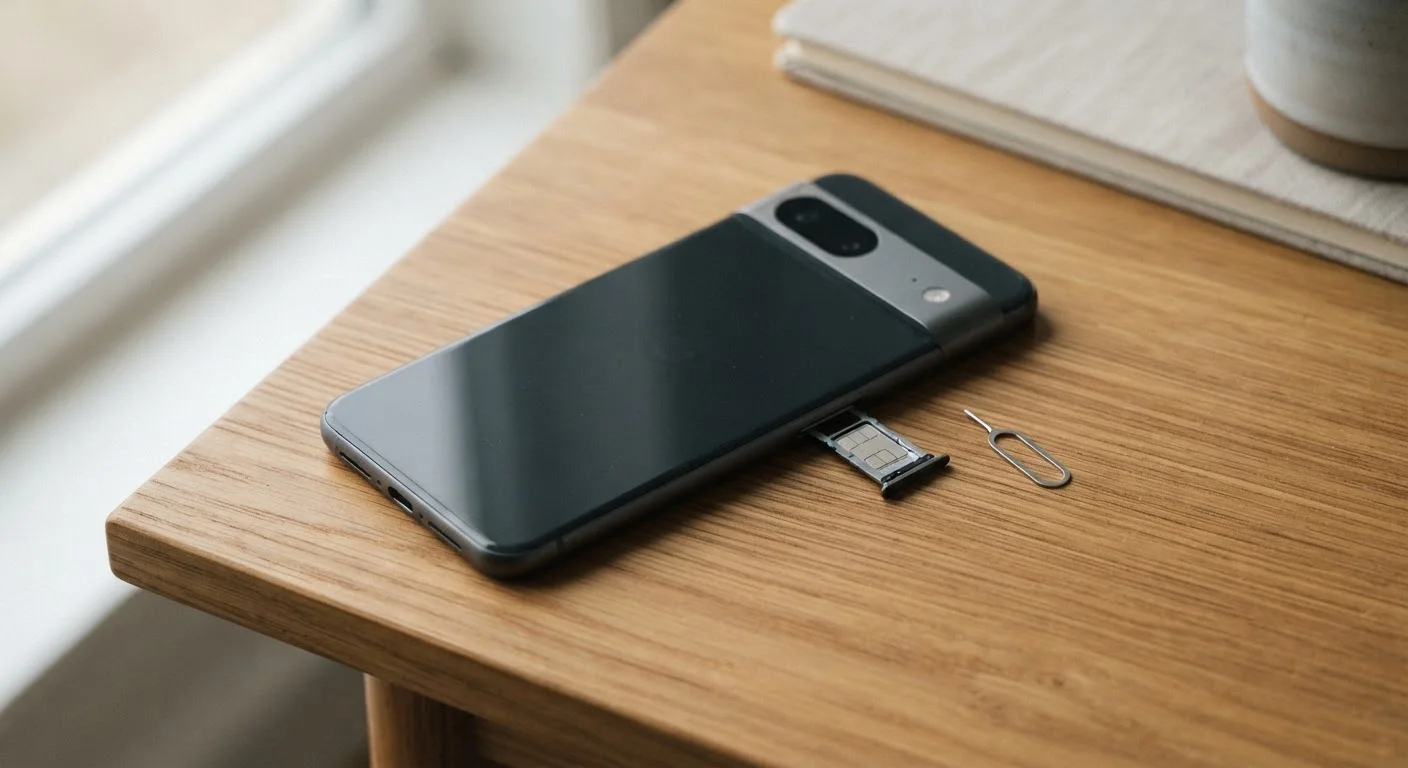
A locked phone is programmed to work only with the carrier that sold it — at least for a defined period. An unlocked phone has no such restriction. You can insert a SIM card from most carriers and it will activate on that network, provided the phone's hardware is compatible.
Carriers sell locked phones partly to protect their investment when they subsidize the device's cost over a payment plan. Once the installment period ends, many carriers will unlock the device on request. Unlocked phones, by contrast, are purchased outright — either directly from the manufacturer or from a retailer — and have no carrier affiliation baked in.
Understanding this distinction matters because compatibility, pricing, and support all flow from it. Just as owning a laptop involves real trade-offs between convenience and cost, so does choosing an unlocked phone.
Carrier Unlocking Policies Vary
If you already own a locked phone, most major US carriers are required to unlock it after certain conditions are met — typically completing the device payment plan and meeting account standing requirements. Policies differ by carrier, so it's worth checking directly with your provider. An unlocked phone purchased outright bypasses this process entirely.
The Advantages of Going Unlocked
The most immediate benefit is carrier flexibility. If a competitor offers a better plan — lower monthly cost, more data, or better coverage in your area — you can switch without buying a new phone. This can translate to meaningful savings over time, though outcomes vary widely depending on your usage and location.
Freedom to switch carriers without buying a new phone
You can move to any compatible carrier at any time, giving you leverage to negotiate better rates or respond to improved coverage in your area.
Works with international SIM cards when traveling
Inserting a local SIM abroad can substantially reduce roaming costs compared to using your home carrier's international plan.
Fewer pre-installed carrier apps
Unlocked devices typically arrive with a cleaner software experience, without carrier-specific apps that may be difficult to remove on locked phones.
Faster manufacturer software updates
Without requiring carrier testing and approval, software updates from the manufacturer often reach unlocked phones sooner.
You own the device outright from day one
There are no installment obligations or conditions attached — the phone is yours fully at purchase, with no risk of service suspension affecting device access.
Unlocked phones also tend to carry less bloatware — the pre-installed carrier apps that can't always be removed on locked devices. And for international travelers, the ability to swap in a local SIM card abroad can avoid steep roaming charges. For more on how your phone manages different connections, see our explainer on mobile data and Wi-Fi switching.
The Disadvantages Worth Knowing
The biggest practical concern is network compatibility. Not every unlocked phone supports every carrier's frequency bands — particularly for 5G, where band fragmentation across US carriers remains significant. Before purchasing, it's essential to verify that the specific phone model supports the bands used by your intended carrier. Manufacturers and carriers typically publish this information, but it requires a bit of research.
Network band compatibility is not guaranteed
An unlocked phone may not support all frequency bands used by your carrier, particularly for 5G — requiring careful verification before purchase.
Higher upfront purchase cost
Without a carrier installment plan, you pay full retail price at once, which can be several hundred dollars more than a subsidized carrier purchase at the point of sale.
Limited in-store warranty and support options
Carrier stores typically won't service or replace unlocked devices, leaving you to work directly with the manufacturer — often through mail-in processes.
Some carrier-exclusive features may not work
Certain features like Wi-Fi calling, visual voicemail, or advanced 5G modes are sometimes only fully functional on devices certified by that specific carrier.
Warranty and support are also more complicated. Carrier-sold phones often benefit from in-store troubleshooting and replacement programs. With an unlocked device, you're generally dealing directly with the manufacturer, which may mean mail-in repairs and longer resolution times.
Finally, the upfront cost is higher. Without a carrier installment plan spreading the price over 24 or 36 months, you pay the full retail price at purchase. This is financially straightforward — you own the device from day one — but it requires having that capital available.
Who Should Seriously Consider an Unlocked Phone
Unlocked phones make the most sense for a few specific types of users. If you travel internationally more than once or twice a year, the ability to use local SIMs is a tangible, recurring benefit. If you dislike being locked into multi-year carrier agreements or want to take advantage of prepaid plans, going unlocked removes a significant constraint.
~25%
Share of US smartphone sales that are unlocked
Industry analyst estimates suggest roughly one in four smartphones sold in the US is purchased unlocked, a share that has grown steadily as manufacturer direct sales increase.
3–5
Number of distinct 5G band sets across major US carriers
Major US carriers each rely on different combinations of low-, mid-, and high-band 5G spectrum, making band compatibility a practical concern for unlocked phone buyers.
They're also worth considering if you prefer a clean software experience with minimal carrier customization. Power users who want full control over their device — including faster access to manufacturer software updates unmediated by carrier approval — often find unlocked devices preferable.
That said, if you rely on carrier financing to manage the cost, rarely switch providers, and value in-store support, a carrier-sold device may suit you better. The decision, much like choosing between a desktop and laptop, comes down to understanding your own habits and priorities rather than chasing a universal answer.