Why Fast Fashion Is So Appealing — and So Complicated
Fast fashion — clothing produced rapidly in large volumes to mirror current trends at low price points — has genuinely changed how Americans get dressed. Affordable, readily available, and constantly refreshed, it democratized access to on-trend style in ways that weren't possible a generation ago.
But the low sticker price is only part of the equation. Researchers, environmental advocates, and consumer finance experts have raised consistent questions about what fast fashion costs beyond the checkout lane — financially, environmentally, and in terms of garment quality. Understanding those trade-offs doesn't mean swearing off affordable clothes. It means shopping with more information.
The Real Costs That Don't Show Up on the Price Tag
The most common hidden cost of fast fashion is replacement frequency. Garments made with lower-grade fabrics and construction tend to wear out, pill, shrink, or lose shape faster than better-constructed alternatives. A $15 top bought four times a year costs $60 — potentially more than a single $40 item that lasts two or three years. This is the logic behind cost-per-wear thinking: dividing the price of a garment by the estimated number of times you'll wear it.
Cost-per-use thinking applies directly to clothing decisions, and it often reveals that a higher upfront price can mean better long-term value. The same principle shows up across consumer goods — see our piece on why budget purchases sometimes cost more over time.
Environmental and Labor Context Worth Knowing
Fast fashion's environmental footprint is one of the most-cited concerns in sustainability conversations. The apparel industry is frequently identified as a significant contributor to textile waste, water use, and carbon emissions globally, though estimates vary widely depending on methodology and scope. The Ellen MacArthur Foundation has published research suggesting the fashion industry generates substantial textile waste annually, with a large share of garments discarded within a year of purchase.
Labor conditions in fast fashion supply chains have also drawn scrutiny from journalists, labor rights organizations, and regulatory bodies. Workers in many garment-producing countries face documented challenges around wages and working conditions, though practices vary considerably by manufacturer and region.
None of this means every affordable garment is ethically compromised — the picture is genuinely complex. But it's worth factoring into how you think about where your clothing dollars go.
What to Consider Instead (Without Overhauling Your Wardrobe)
The goal isn't a dramatic lifestyle overhaul — it's making clothing decisions with a fuller set of information. A few approaches worth exploring:
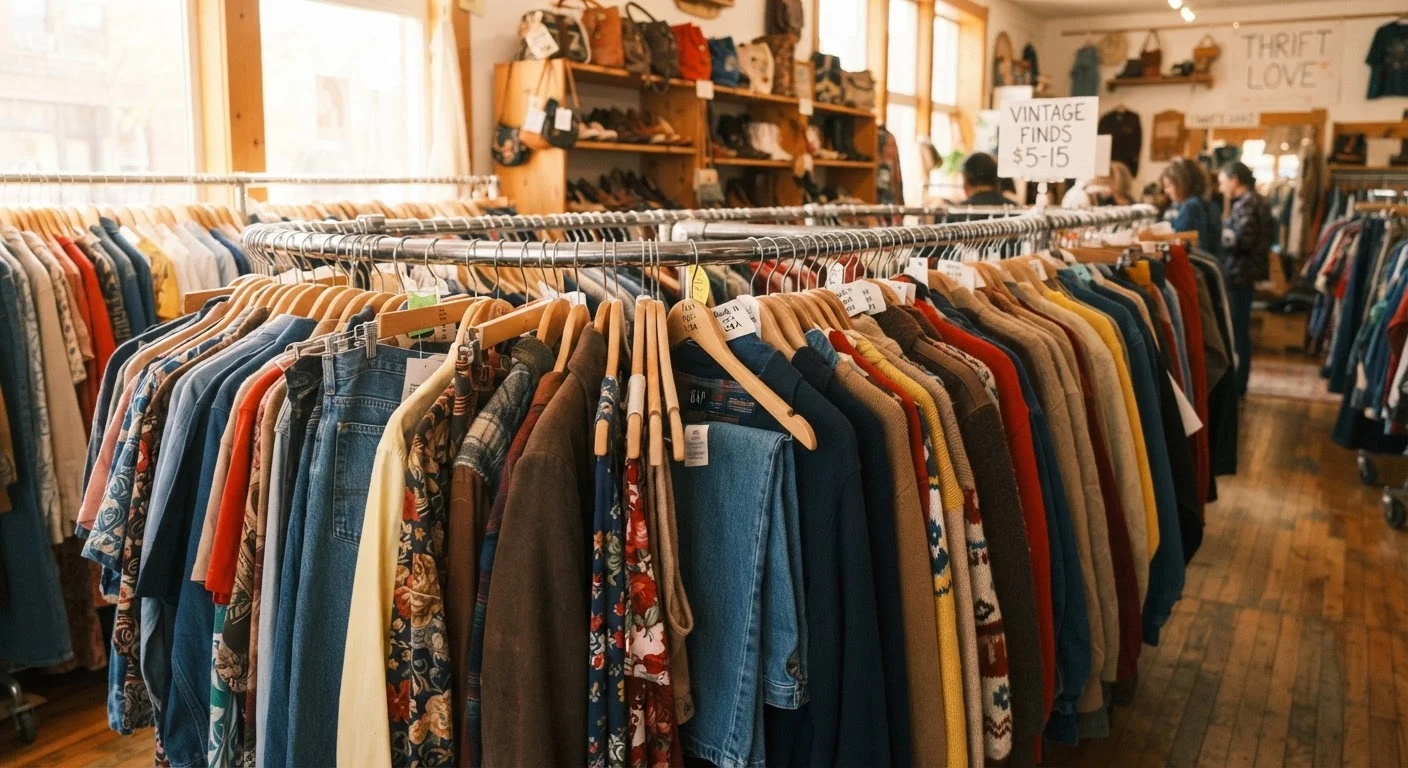
- Secondhand and resale shopping can dramatically extend garment lifecycles while offering real savings. Our fast fashion vs. secondhand shopping breakdown covers what to realistically expect from both.
- Focusing on versatile basics over trend-driven pieces tends to reduce how often you feel the urge to replace items.
- Checking construction before buying — seam quality, fabric weight, stitching — takes about 60 seconds and can meaningfully predict how long a garment will last.
- Tracking your clothing spend as part of a broader budget gives you clearer data on where money is actually going. The Budgeting Basics hub has practical tools for that.
Whether you shop fast fashion occasionally, mix it with secondhand finds, or avoid it altogether, the key is that the choice feels deliberate rather than default. For more on weighing upfront price against long-term value, see our guide on durable vs. disposable products.