What Smart Speakers Actually Are
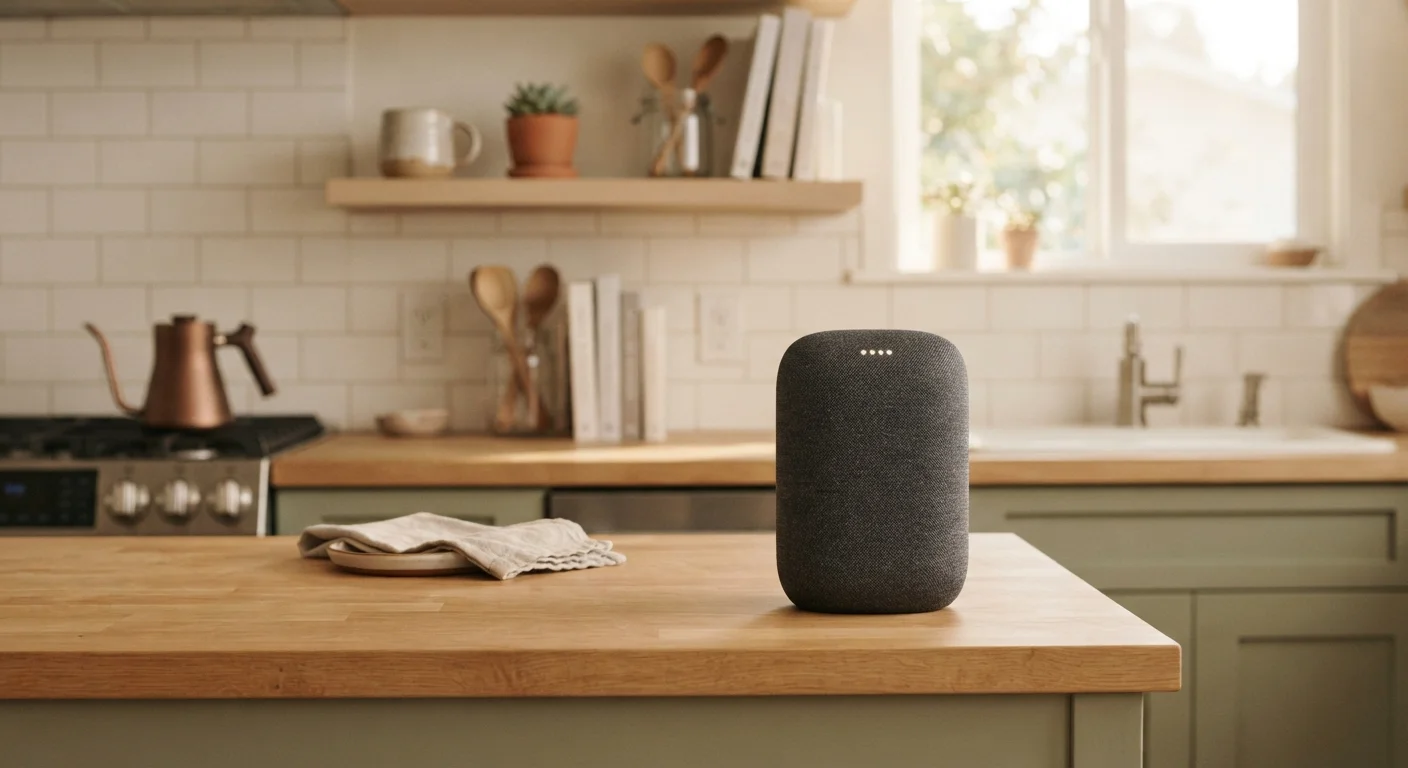
A smart speaker is a Wi-Fi-connected device with a built-in microphone array, a speaker, and a voice assistant that responds to a spoken wake word — phrases like "Hey" followed by the assistant's name. The device streams your voice to remote servers, processes the request, then responds through the speaker. Everything depends on an active internet connection.
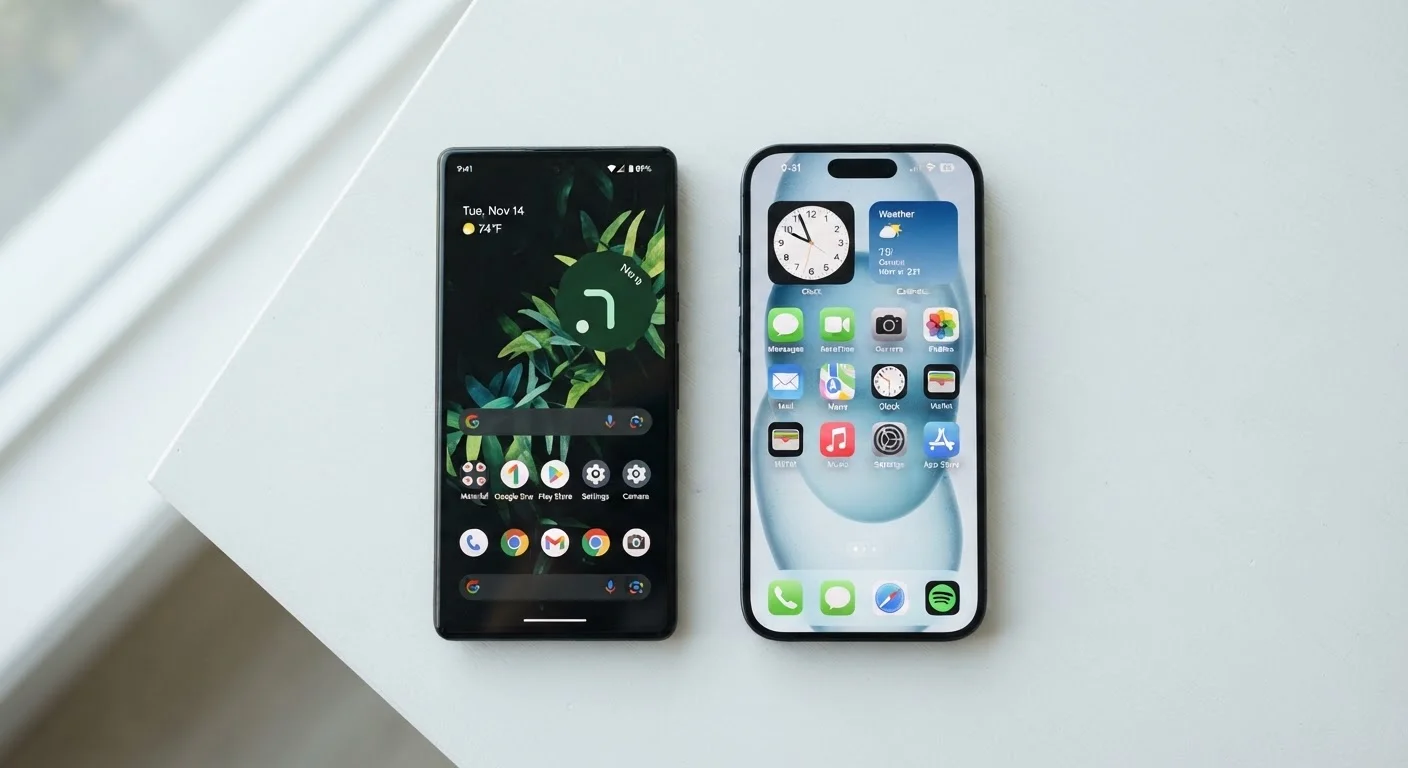
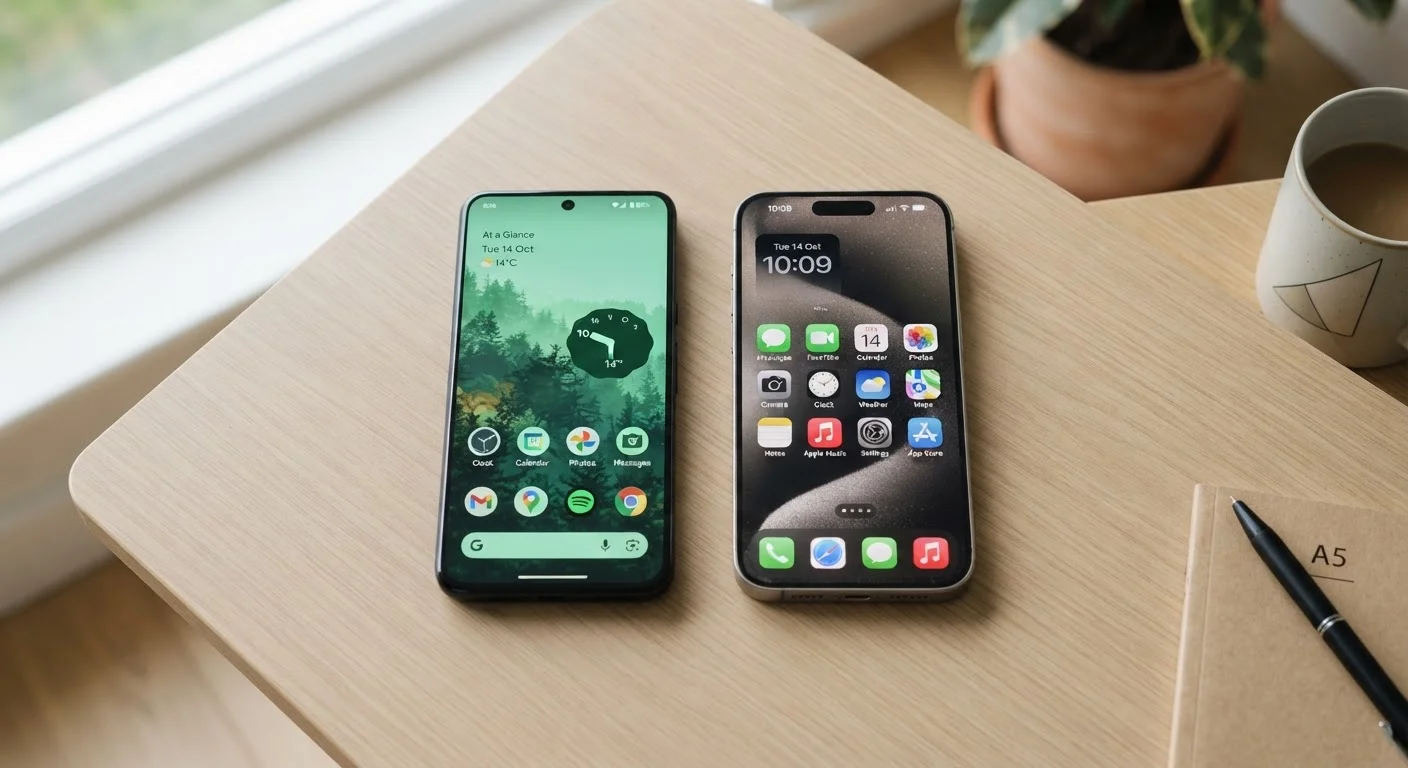
Voice assistants powering these devices are software platforms, not standalone hardware. The same assistant typically runs across phones, tablets, and other products, so the smart speaker is really just one access point for a broader ecosystem. If you're new to the concept, this plain-language starting point explains how connected home devices work more broadly.
What Smart Speakers Can Do Well
Within their strengths, smart speakers are genuinely useful tools for everyday household tasks.
Hands-free operation for common daily tasks
Setting kitchen timers, adding items to a shopping list, or checking the weather is possible without touching any device — particularly useful when hands are occupied.
Simple voice control of compatible smart home devices
Lights, thermostats, and smart plugs that share the same ecosystem can be controlled by voice command, reducing the need to manage multiple apps.
Instant access to general information and calculations
Unit conversions, basic math, sports scores, and dictionary lookups are answered immediately without opening a browser or unlocking a phone.
Straightforward setup with no technical experience needed
Most smart speakers are operational within minutes using a companion smartphone app and a home Wi-Fi network — no cables or configuration menus required.
Ambient music and audio streaming throughout the home
Voice-requested music, podcasts, and radio play without navigating a screen, making background audio notably more convenient during chores or cooking.
For households already using smart bulbs, plugs, or thermostats, a smart speaker becomes a natural control hub — turning devices on and off without reaching for a phone. For a deeper look at how dedicated hubs differ from speakers, see how smart home hubs work.
~35%
US adults who own a smart speaker
Pew Research Center surveys conducted in recent years suggest roughly one-third of American adults report owning a smart speaker.
Top 3
Most common uses reported by owners
Playing music, checking weather, and setting timers or alarms consistently rank as the most frequent smart speaker activities reported in consumer surveys.
What Smart Speakers Cannot Do
Honest evaluation means acknowledging where these devices fall short — and advertisers rarely volunteer this information.
Always-on microphone raises legitimate privacy concerns
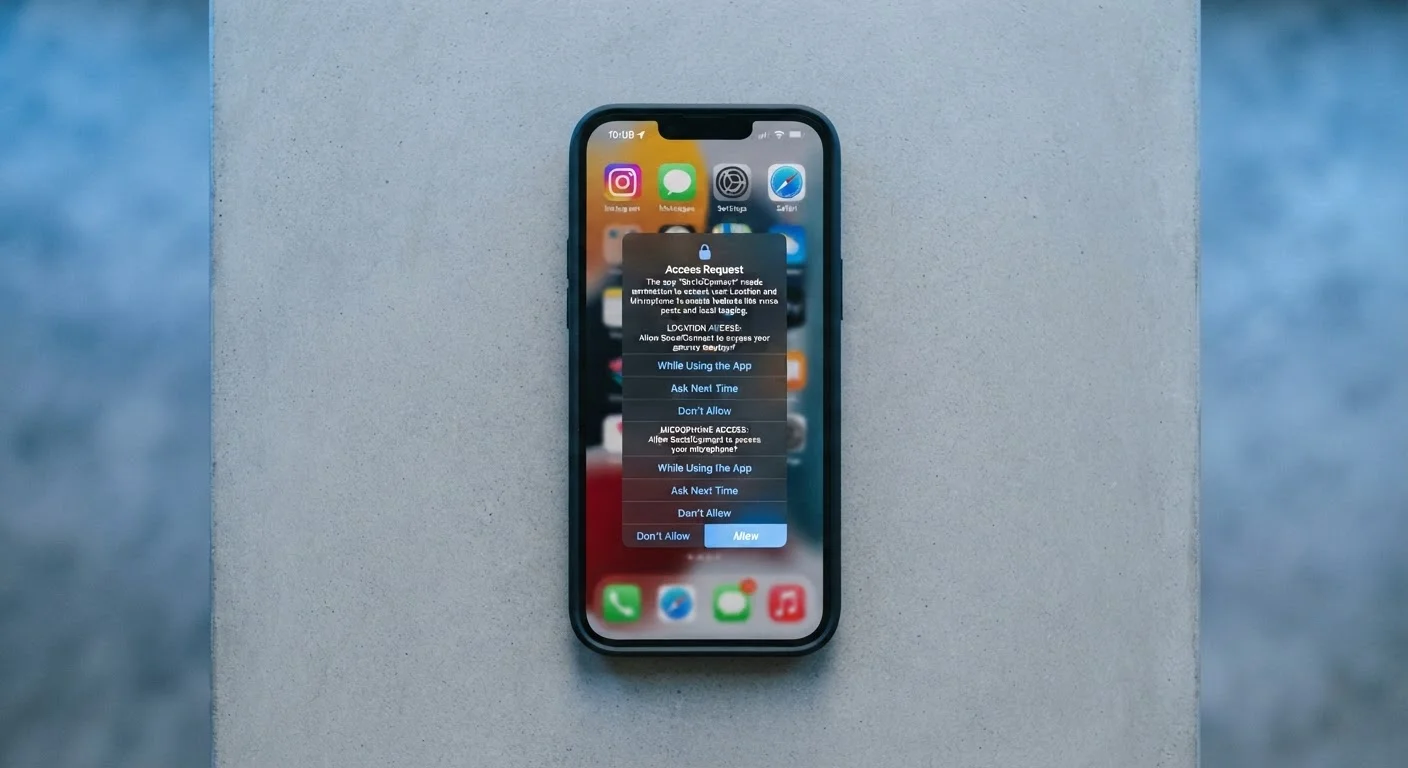
The device continuously listens for its wake word, and accidental activations mean conversations can occasionally be recorded and transmitted to company servers.
Usefulness is limited without compatible smart home devices
Without smart bulbs, locks, or thermostats to control, a smart speaker's role narrows to questions, timers, and music — tasks a phone already handles.
Dependent on a stable internet connection
Most functions — including voice processing and music streaming — stop working during internet outages, making the device unreliable in areas with poor connectivity.
Ecosystem lock-in limits flexibility over time
Smart home devices purchased around one assistant platform may not work well with a competing platform, making it costly to switch later.
Audio quality is limited compared to dedicated speakers
Most smart speakers prioritize voice pickup and compact design over sound reproduction; audiophiles and home theater users will find the output underwhelming.
Voice recognition accuracy varies by accent and environment
Background noise, strong regional accents, or fast speech can produce misheard commands, requiring users to repeat requests or rephrase them deliberately.
Sound quality on most smart speakers is adequate for casual listening but limited compared to dedicated audio equipment. If audio fidelity matters to your household, soundbars and surround systems offer better options for that purpose.
Privacy: The Honest Picture
Smart speakers listen for a wake word continuously, which raises a reasonable question: what else are they picking up? The short answer is that most devices are designed to transmit audio only after the wake word is detected — but accidental activations do occur, and voice clips may be reviewed by company staff or contractors to improve accuracy.
Accidental Activations Are a Known Issue
Voice assistants occasionally misinterpret ambient speech or TV audio as a wake word and begin recording. Major platform providers have acknowledged this in public disclosures. Placing a smart speaker away from televisions and reviewing your voice history periodically in the companion app are practical steps that reduce — though don't eliminate — this risk.
Most platforms allow users to review and delete their stored voice history through a companion app. Enabling manual deletion on a schedule is a practical step for households with privacy concerns. For a detailed breakdown of what the research and company disclosures show, see what your smart speaker is actually listening for.
Privacy considerations also apply to other smart home devices. Smart plugs, thermostats, and locks involve similar data trade-offs worth understanding before installing.
Setting Realistic Expectations Before You Start
The most common source of disappointment with smart speakers is unmet expectations, not hardware failure. A few practical realities to factor in:
- Ecosystem compatibility matters. A speaker tied to one platform controls devices built for that platform most reliably. Mixing ecosystems works but adds friction.
- Wi-Fi stability is foundational. A weak signal produces slow responses, missed commands, and dropped music streams. The speaker is only as reliable as the network it sits on.
- Voice recognition improves with use. Accuracy tends to increase over time as the assistant learns household speech patterns and vocabulary.
- Some features cost extra. Music streaming, audiobooks, and certain smart home integrations may require paid subscriptions beyond the device purchase.
Smart speakers and smartphones are often compared, but they serve different purposes — a smart speaker excels at ambient, screen-free interaction, while a phone handles tasks requiring visual output or mobility.