What a Smart Home Hub Actually Does
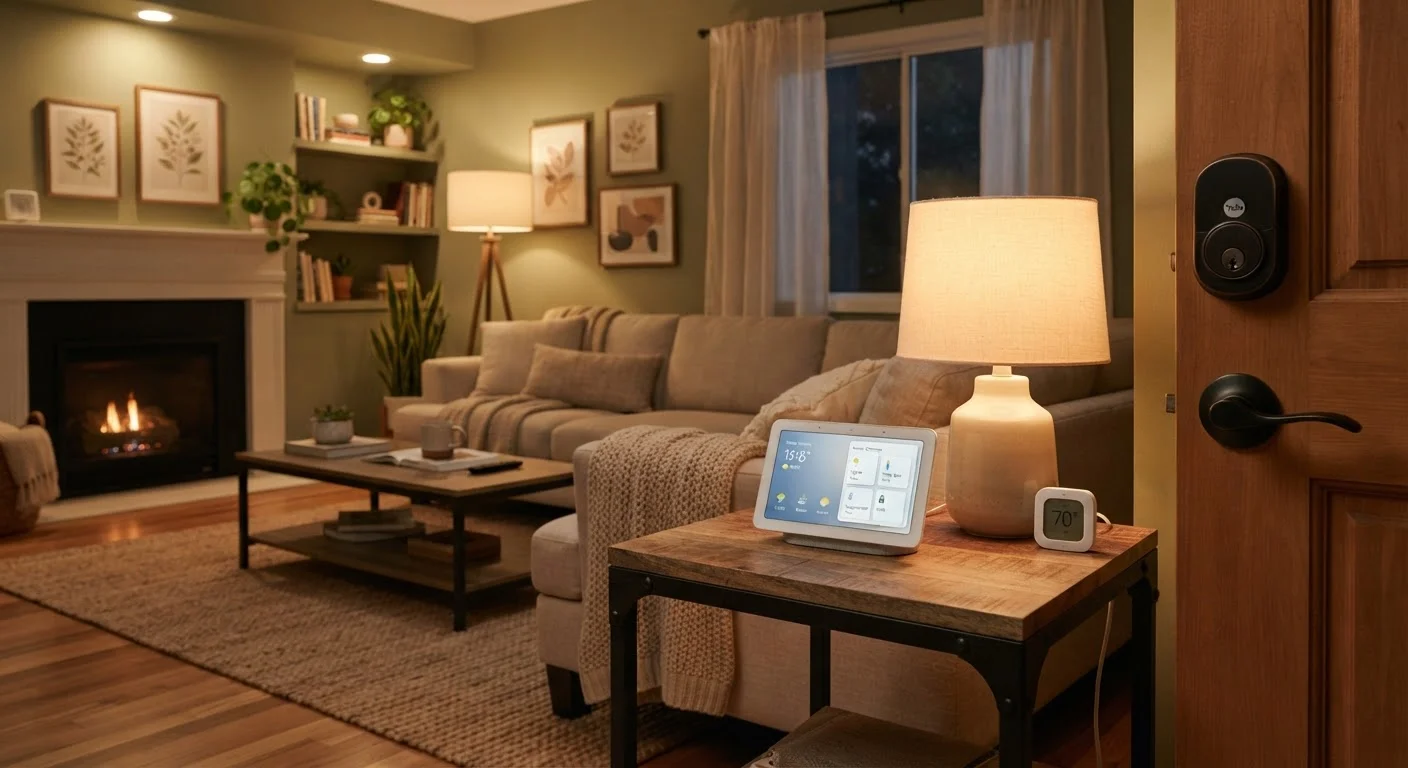
A smart home hub is a device or software platform that connects and coordinates your various smart home gadgets — lights, thermostats, locks, sensors, cameras — through a single interface. Without a hub, each device typically requires its own app and may not interact with devices from other manufacturers. A hub changes that by acting as a translator and conductor, allowing different devices to communicate with each other and with you through one control point.
If you're new to connected devices altogether, this plain-language starting point on smart home devices explains how they connect and what to realistically expect before adding a hub into the mix. For those wondering whether a hub is even necessary, this breakdown of how hubs work and when you need one offers a direct comparison.
Unified control across all smart devices
Rather than switching between five separate apps, a hub lets you manage lights, locks, and sensors from one place — reducing daily friction for the whole household.
Powerful cross-device automation
Hubs enable routines that span multiple devices and brands, such as automatically adjusting the thermostat and dimming the lights at a set time each evening.
Supports devices that don't use Wi-Fi
Many affordable smart sensors and lights use Zigbee or Z-Wave radio protocols rather than Wi-Fi. A compatible hub is often required to connect these devices to your network.
Can reduce reliance on cloud servers
Some hubs process commands locally, meaning your automations may still work even if your internet connection drops — unlike purely cloud-dependent devices.
Scales well as your device count grows
Once configured, adding new compatible devices to an existing hub is generally straightforward and keeps your control system tidy rather than fragmented.
The Real Downsides You Should Weigh
A hub isn't a plug-and-play solution. It adds a layer of technology that requires setup, periodic updates, and troubleshooting. For households with just one or two smart devices, the overhead rarely justifies the benefit.
Creates a single point of failure
If the hub malfunctions, loses power, or becomes incompatible after a software update, connected devices that depend on it may stop responding entirely until the issue is resolved.
Setup and configuration take real time
Getting a hub running correctly — pairing devices, building automations, resolving compatibility issues — often requires several hours and a tolerance for troubleshooting.
Not all devices are compatible
Despite industry efforts toward interoperability, brand-specific devices may not integrate cleanly with every hub, leading to partial functionality or features that simply don't work.
Hubs can become obsolete
Manufacturers sometimes discontinue hub products or end software support, leaving households with hardware that no longer receives security patches or works with newer devices.
Concentrates security risk in one system
A compromised hub can potentially expose every connected device simultaneously — a risk that is less acute when devices operate independently through separate apps.
Security is another consideration that deserves honest attention. When all your devices funnel through one hub, a vulnerability in that hub potentially exposes your entire smart home. Practical steps for keeping smart home devices secure are worth reviewing before you centralize everything. You can also find broader privacy considerations covered in this overview of smart home convenience and privacy trade-offs.
Who Gets the Most Value — and Who Might Not
The honest answer is that a smart home hub works best when you already have — or plan to build — a meaningful collection of connected devices across different brands or communication protocols (such as Zigbee or Z-Wave, which are wireless standards that many smart devices use to talk to each other). In those situations, a hub earns its place by eliminating the need to juggle multiple apps and enabling automations like "turn off all lights when the last person leaves."
~57%
US adults with at least one smart home device
Statista consumer surveys in recent years have consistently found more than half of US adults live in a household with at least one connected smart home product.
5+
Devices where hub value typically becomes clear
Smart home practitioners and technology educators generally cite five or more devices across different brands as the threshold where a dedicated hub starts to simplify rather than complicate management.
For renters, people in smaller spaces, or households experimenting with just one or two devices, a hub may introduce more friction than it removes. Many modern devices now work within single-ecosystem apps — such as those tied to a major voice assistant platform — which can serve lighter use cases without a dedicated hub.
If you're still deciding how to start, this plain-English introduction to setting up a smart home for the first time walks through the basics without overwhelming detail. More general smart shopping tips for home products can also help you think through the decision systematically.
A Note on the Matter Protocol
Matter is a relatively new smart home connectivity standard backed by major industry players, designed to improve compatibility between devices from different manufacturers — with or without a dedicated hub. Many newer devices carry Matter certification, which may reduce some of the compatibility frustrations historically associated with multi-brand setups. That said, Matter adoption is still expanding, and not all existing devices support it.